Trade when the enemy can't answer at full strength. They're mid last hit, their key ability is on cooldown, or their minions aren't ready to punish you. That's how you win trades, and everything else in this guide builds on it.
In plenty of other games "trading" means swapping items. Here it means trading damage with your lane opponent in League of Legends. A trade in lane is a short fight where both champions spend something. The winner isn't whoever dealt more damage. It's whoever comes out ahead on the whole ledger.
This trading guide is for ranked players in every lane. By the end you'll know when to go in, how long to stay, and how to stop losing a lane in LoL to trades you thought you won.
What Counts as a Good Trade in League of Legends
A trade is an exchange. You spend health, mana, cooldowns or position, and so does the enemy champion. If only one side pays, that's harass: Caitlyn landing a free auto while you can't reach her. Harass is great, but it isn't a trade.
Most players judge trades by damage, and that's the wrong test. Dealing damage is one line on a longer ledger, and you can out-damage someone and still lose by a mile. To win a trade, you have to be ahead once it's over, not just while it's happening. The best trade is the one that leaves you further ahead across the laning phase, and sometimes it involves no damage at all.
Check the Whole Ledger After Every Trade
After every trade you take, run the ledger:
- Health compared to max HP. The combo that halves a mage barely dents a tank.
- Mana or energy. A chunk that cost most of your mana leaves you with no threat for a while.
- Summoner spells. A burned Flash or Ignite costs more than most health bars.
- Missed CS and XP. Every last hit you dropped mid-trade is gold you'll never see.
- Where the wave is heading. A wave crashing into your turret costs you minions later.
- Who can recall first. Whoever backs first and comes back with gold spent owns the next fight.
Then check it again one wave later. Sustain erases poke, and Doran's Shield or Second Wind will refill the health bar you spent a rotation chunking.
Picture it. You chunk the enemy top laner to half and miss the cannon doing it. The wave crashes into your turret and you lose two more minions to tower shots. You lost the trade. You just didn't know it yet.
Trades That Win Without Dealing Damage
Threatening damage is often worth more than spending it, because a threat you never use keeps working.
- Zone a melee champion off the cannon. If walking up means eating your full combo, they skip it.
- Force Flash with a threat. Walk at them with Ignite up. If they Flash to be safe, you've bought minutes of all-in pressure.
- Force an early recall. Chip them low enough and they back early, losing a wave or two.
- Stand where their next last hit costs health. Keep the low minion inside your range so every CS has a price.
These small trades are the quiet ways to win lane. Real lane dominance usually looks boring: one player farming freely, the other hovering at the edge of the wave, scared of the lane pressure.
When to Trade in Lane and Find the Trade Window
Most lane trading comes down to timing, not mechanics. A trade window is a short stretch when the enemy can't hit back at full strength, and every lane has three of them: their last hits, their cooldowns and your level spikes.
Punish the Enemy Every Time They Walk Up to Last Hit
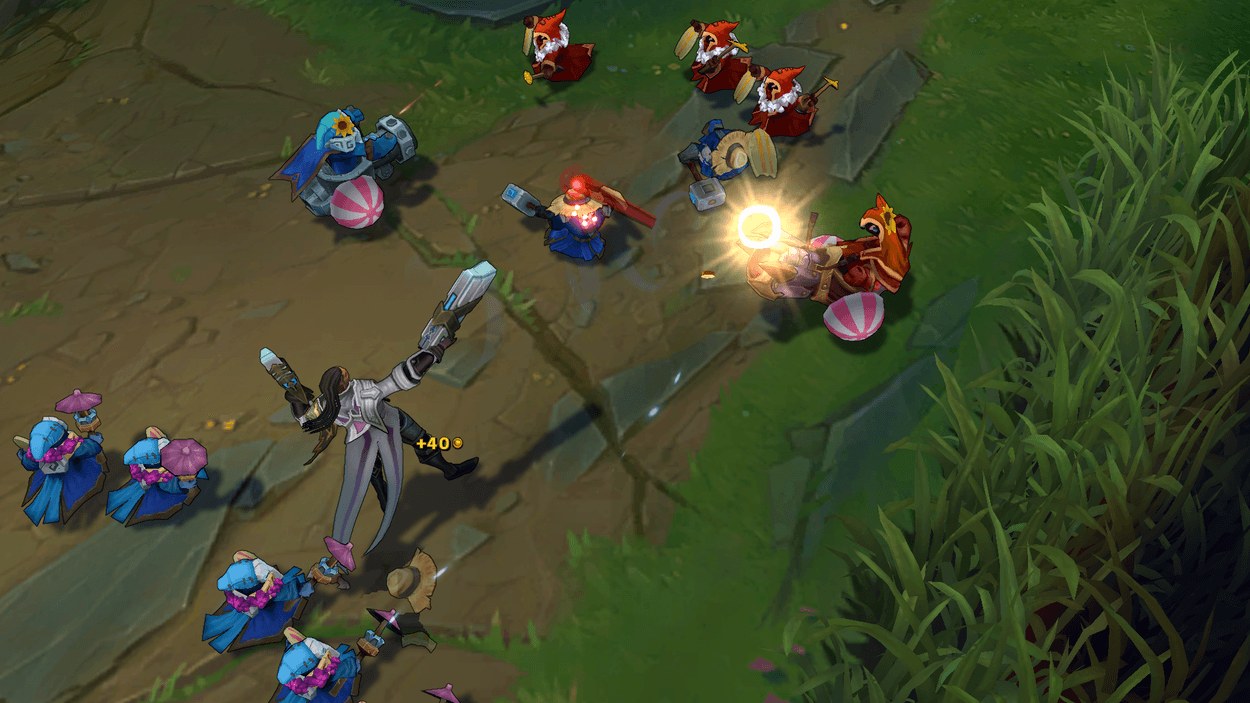
A last hit locks the enemy into a predictable spot (next to a dying minion) and an auto attack animation. For that moment they aren't dodging anything. Melee champions have it worse, because they have to walk into your range just to farm.
So punish the enemy every time they walk up. Watch your own low minions, since that's where they're headed, and pre-aim your skillshot at the spot. On a ranged champion against a melee, auto them the instant they commit.
One rule fixes a lot of low-elo lanes: don't enter a trading stance while you have your own last hit available. Take your CS first and punish their next one, unless the trade is decisive enough (a kill, a forced Flash) that the gold stops mattering. This breakdown of how to CS while trading covers fitting both into the same few seconds.
Trade While Their Key Ability Is on Cooldown
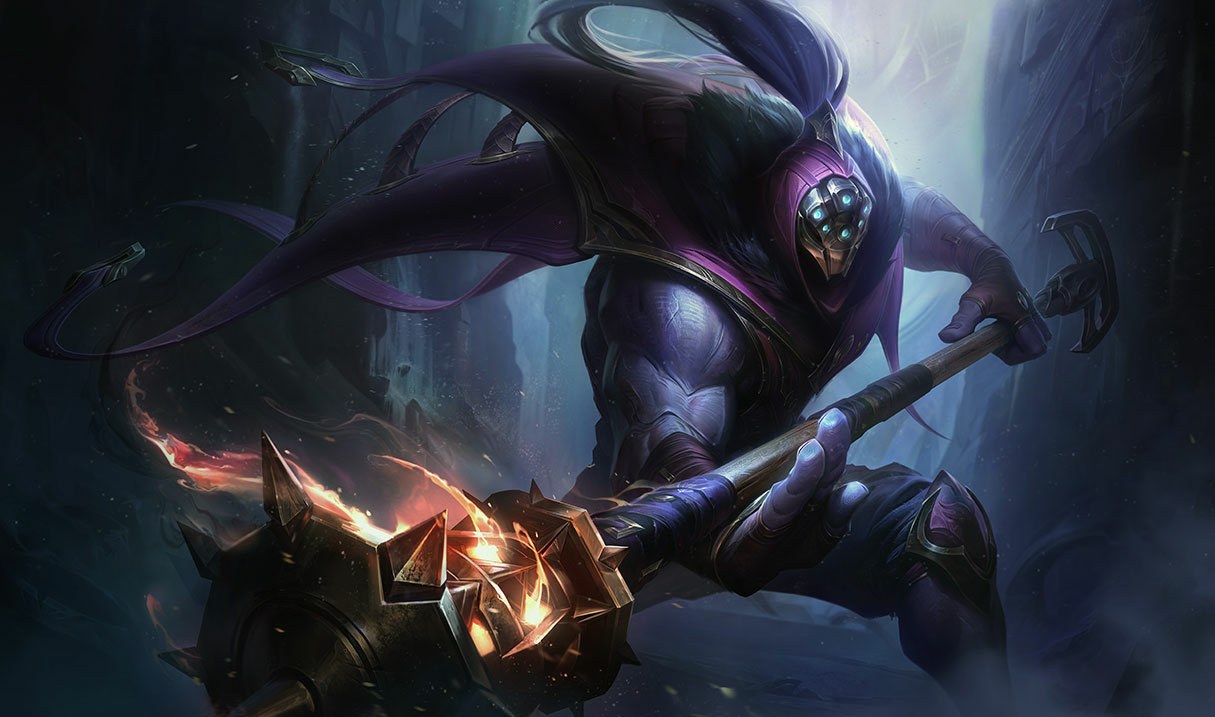
Every matchup turns on one ability: a dash, a shield, a stun or a counter. Find it before the first wave arrives.
Against Jax, it's Counter Strike, which dodges all non-turret basic attacks for 2 seconds and then stuns anyone nearby. Autoing into it is just donating. Against Ahri, it's Orb of Deception: once she throws it at the minions, her main poke is gone for a few seconds. Against Lucian, it's his dash. If he spends Relentless Pursuit to get in, he can't use it to dodge your answer.
The pattern never changes:
- Bait it with a step forward.
- Punish once it's spent.
- Leave before it comes back.
Cooldown length decides trade length. A long cooldown on their key ability gives you room for an extended trade. A short one buys a quick hit and nothing more.
Every summoner spell counts too. If the enemy champion has no Flash, every hard engage in your kit becomes a kill threat. If you're the one missing Flash, skip full trades until it's back.
Win the Level 2 Race and Trade on Your Power Spike
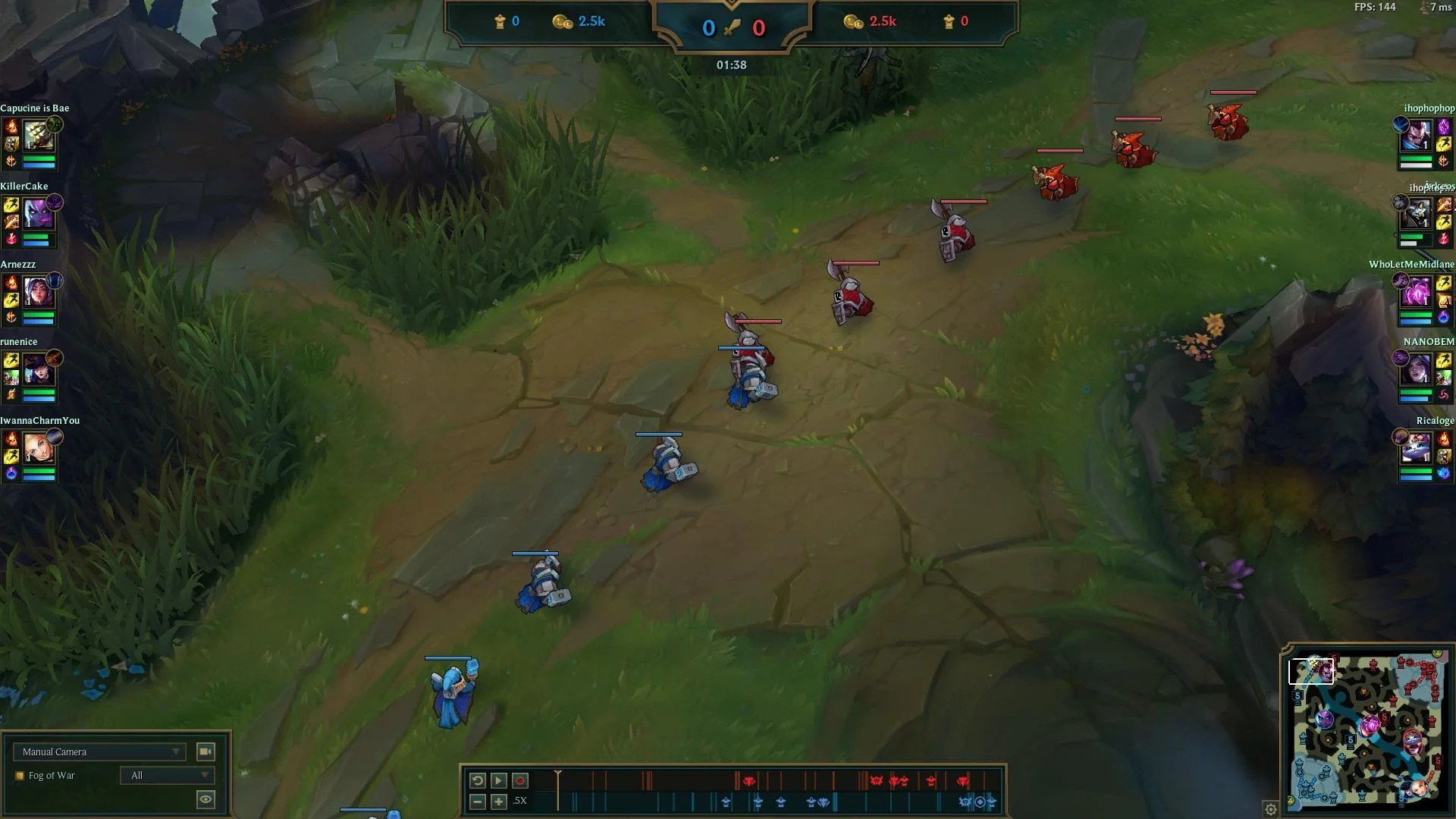
Level 2 is the first spike of the game, and the thresholds are exact.
In solo lanes, level 2 comes at the full first wave plus the first melee minion of wave two. That's 7 minions, and the margin is absurd. Level 2 costs 280 experience, and with the minion XP values from patch 26.1 (62 per melee, 31 per caster), the entire first wave pays 279, one point short, so that first melee of wave two decides the race.
In bot lane, two champions split the XP, so it takes the first wave plus three melee minions of wave two: 9 minions.
Step forward as the last required minion is about to die. Hit 2 first and you've got a second ability while the enemy is still holding one. That's the cleanest window of the early game, and plenty of all-ins start right there.
Then keep counting:
- Level 3 gives most champions all three basic abilities.
- Level 6 brings ultimates. Darius, Malphite and Syndra all get kill pressure they didn't have a wave earlier.
- Your first item component after the first back is a level spike in disguise. Walk in with a Long Sword while they have nothing and you've got a window.
The flip side matters as much: when the enemy reaches their power spike first, back off, let the window pass and trade on even terms.
Run the Pre-Trade Checklist
Before you go for a trade, answer five questions. Once it's habit, it takes a second:
- Are they last hitting, or about to?
- Is their key ability down?
- Whose wave is bigger?
- Where was their jungler last seen?
- Have I named the trade length and my exit?
If you can't answer one of them, wait. A trade you start blind is a coin flip, and early trades punish coin flips hardest because nobody has the items to bail out a bad call.
How Minion Aggro Decides Who Wins the Trade
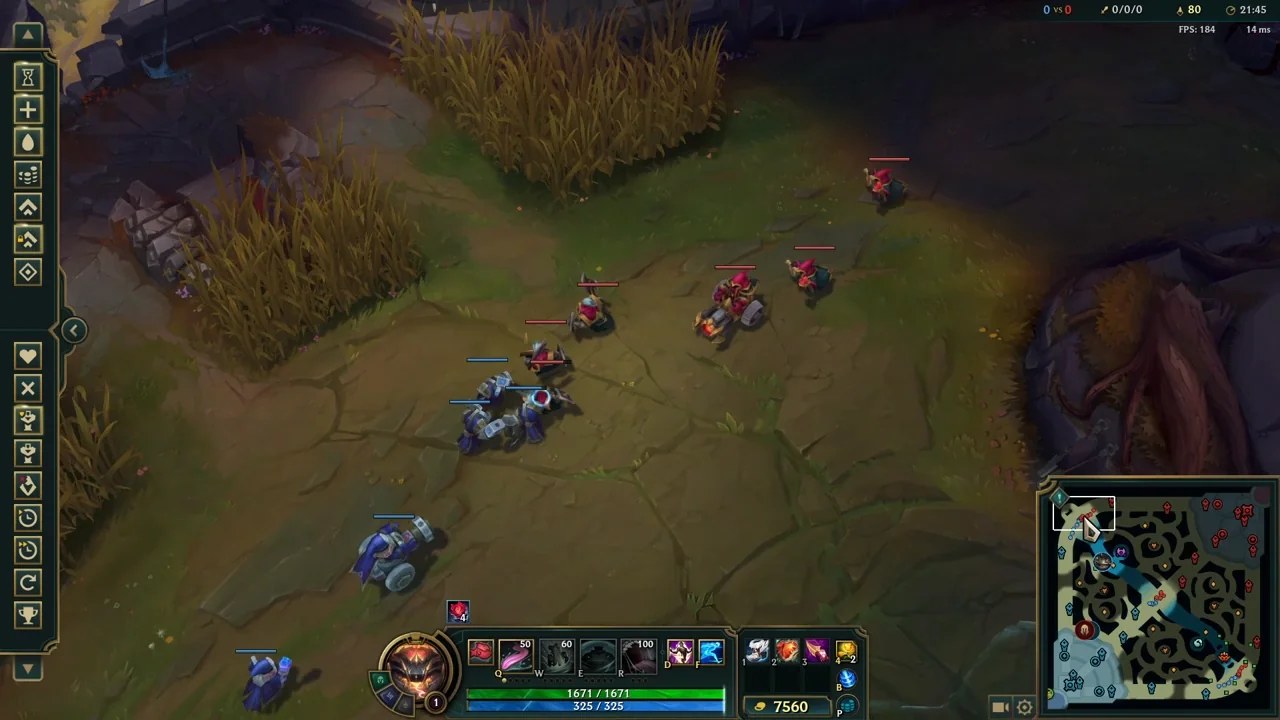
Hit an enemy champion with a basic attack and the enemy minions nearby turn around and hit you. That's minion aggro, and early in the game it hurts. Caster minions in particular take real chunks out of a level 2 health bar.
It comes down to target priority. The League wiki's minion page puts enemy champions attacking an allied champion at the very top of the minions' target list. Your minions rank lower. So the moment you auto their laner, their casters stop hitting your wave and start hitting you.
That's how you lose trades you thought you won. You dealt more champion damage, and their wave made up the difference. Most "I did more damage but still lost" trades are really minion damage. It's also why you can't trade back once you've pulled aggro.
Count the Minions Before You Step Forward
Start trades only when your minion wave is equal or bigger, or when their minions are busy hitting yours. Count the casters early, because they hit harder than the melee minions.
Never extend a trade inside a full enemy wave unless the kill is certain. That's where most bad trades come from: a fine short hit turns into an extended trade because you wanted one more auto, and the wave finishes the job.
Drop Aggro Before You Go Back to Farming
Pulled aggro? Shed it before you farm again. Walk out of range, or break vision in a brush. Minions re-check their target between attacks and drop you once they lose sight of you, which is why brush resets on the side of the lane work so well in top lane and bot lane.
Towers work the same way. Damage an enemy champion near their turret and it switches to you, just like the minions do. The FAQ covers how fast that gets ugly.
Short Trades, Extended Trades and All-Ins
Every trade has a length, and you choose it before you step in, not halfway through. Say it to yourself: short, extended or all-in. The trade pattern you name decides what you spend and when you leave.
Trade | Typical length | Kits that want it | Wave state it needs | Resources committed | Exit trigger |
|---|---|---|---|---|---|
Short trade | One ability rotation | Front-loaded burst or poke | Equal or bigger wave, or enemy last hitting | Basic abilities only | Your burst is spent |
Extended trade | Several rotations | Sustain, stacking or attack-speed champions | Your bigger wave arriving | Full rotation, no summoners | Their key cooldown returns or your wave thins |
All-in | Until someone dies | Anyone at a spike with kill pressure | Small enemy wave and enemy jungler located | Ultimate plus Ignite or Flash | Kill secured, or retreat at once |
Most matchups come down to who wants which trade length. If your champion wants short trades and theirs wants long ones, every second past your burst belongs to them.
How to Take a Short Trade
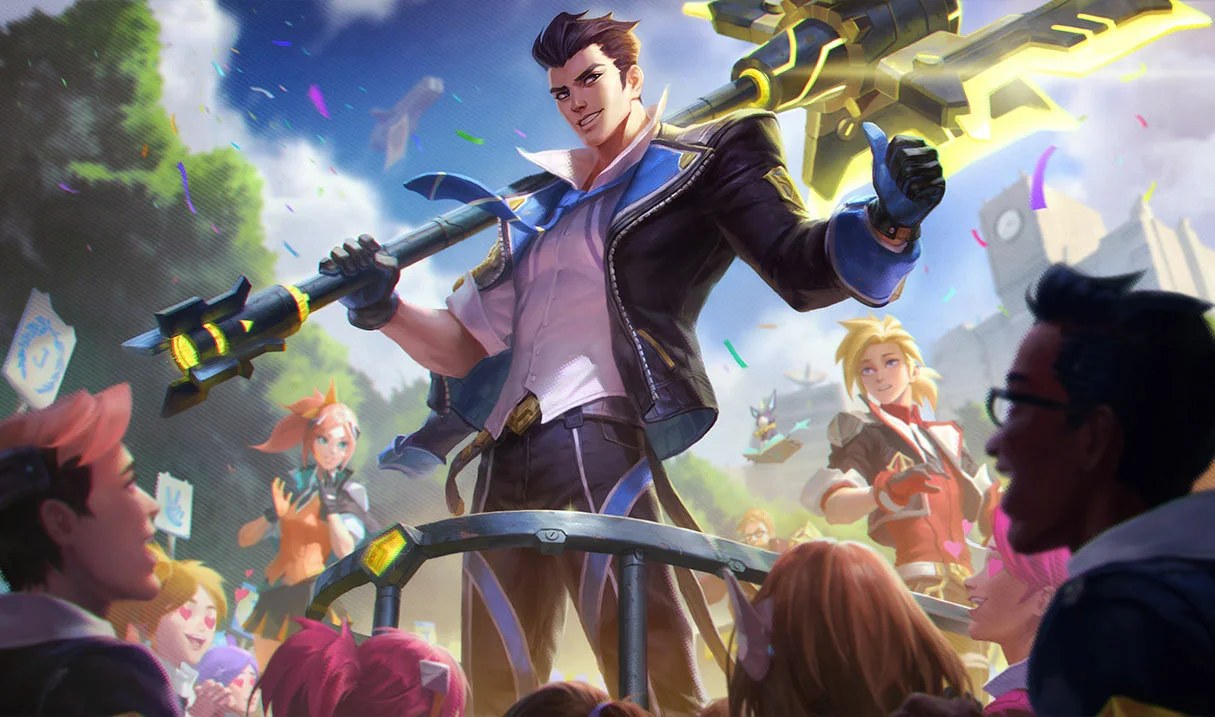
Hit and exit. Ranged champions do it with poke, like Jayce's Shock Blast or a Caitlyn headshot from max range. Melee champions do it with a tight pattern: dash in, auto, ability, walk out.
Plan the exit direction as carefully as the entry. Leaving through their wave is how a short trade becomes a long one by accident, and short trades fail against extended-trade champions the moment you stay for one more hit.
How to Run an Extended Trade
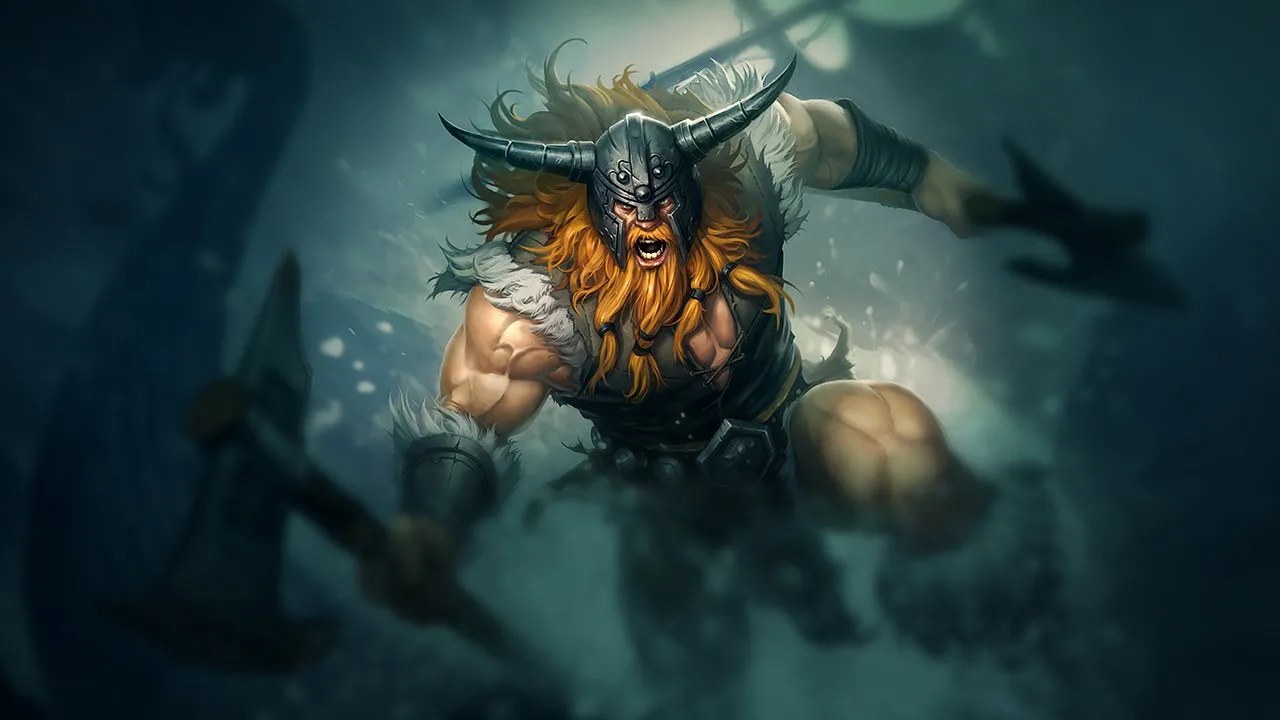
Extended trades run for several rotations, so they favor kits that get stronger as the fight goes on: Olaf's attack speed, Jax's stacking passive, Illaoi's tentacles. To trade around one of these kits, you need a neutral or bigger wave, your key cooldowns up at the start and the enemy jungler accounted for.
Illaoi fights inside her tentacles, so she wants you to come to her. An extended trade next to the walls where her tentacles spawn is her whole game plan. Drag the fight away from them and the trade goes very differently.
When an All-in Is Worth It
Before you commit, check four things:
- Does your full combo plus Ignite actually kill?
- Does the enemy have Flash?
- Where is the enemy jungler?
- What does the wave do if you fail?
Treat a near-miss all-in as a lost trade. You end up low, without a summoner spell or two, and facing a wave that's about to bounce into you. The enemy gets to punish all of it.
Spacing and Trading Stance
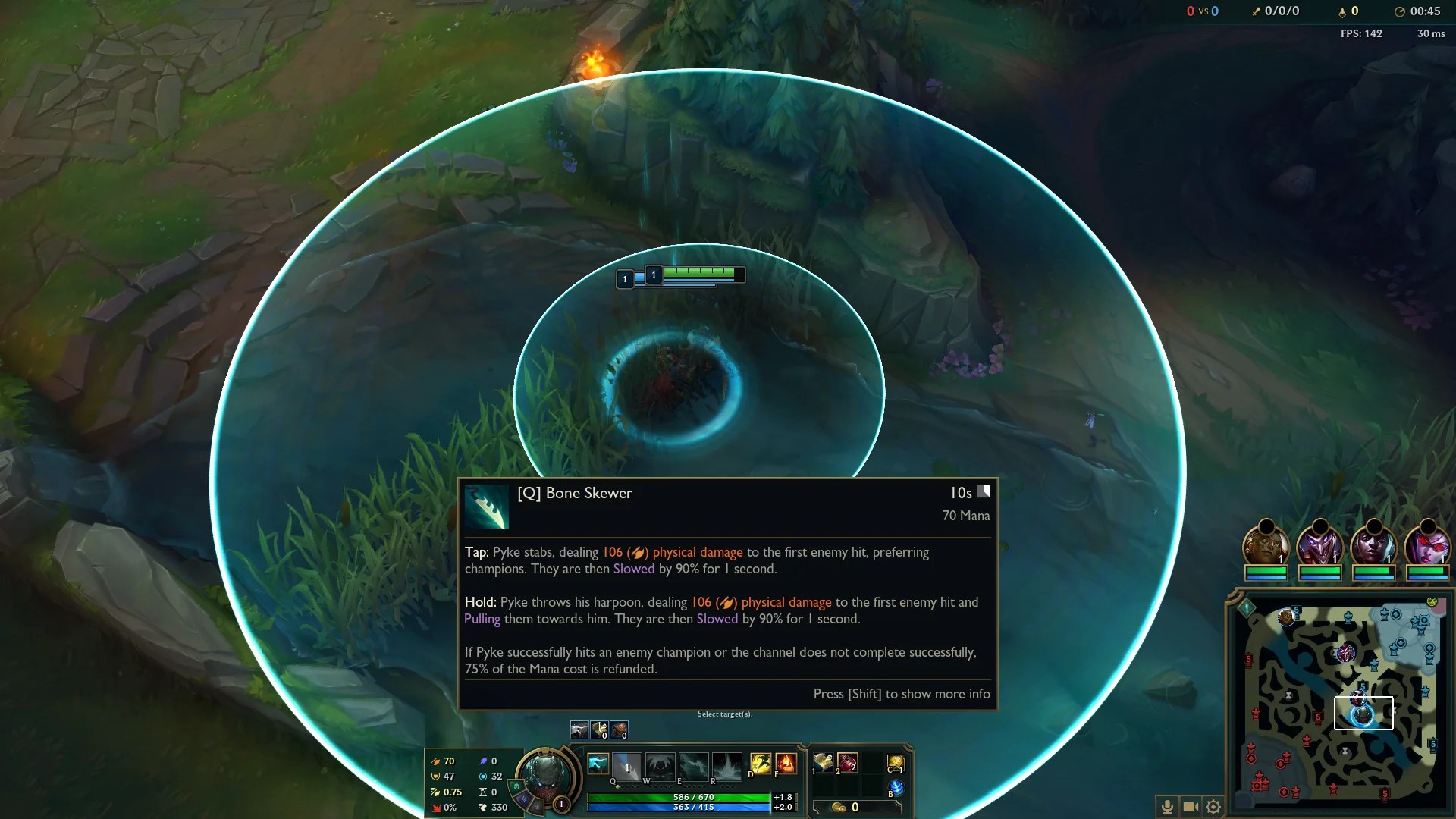
Spacing means standing where you threaten them and they can't threaten you. Tethering is how you do it: step in to the edge of your range for one hit, then straight back out.
Your practical range is longer than your tooltip range. Add dash distance, cast time and the follow-up auto attack, and an Irelia or Renekton threatens far more of the lane than the numbers suggest. Most enemies only respect the tooltip, and they walk into the rest every game.
Your trading stance is where you stand between trades:
- Aggressive: ahead of your casters, angled at their last-hit line.
- Defensive: behind your casters, on the warded side of the lane.
Pick it from the checklist. Bigger wave, their key ability down, jungler spotted on the far side of the map? Aggressive. Anything unknown? Defensive, leaning toward the side of the lane that's warded or furthest from where their jungler would walk in.
Use Wave Control to Set Up Your Trades
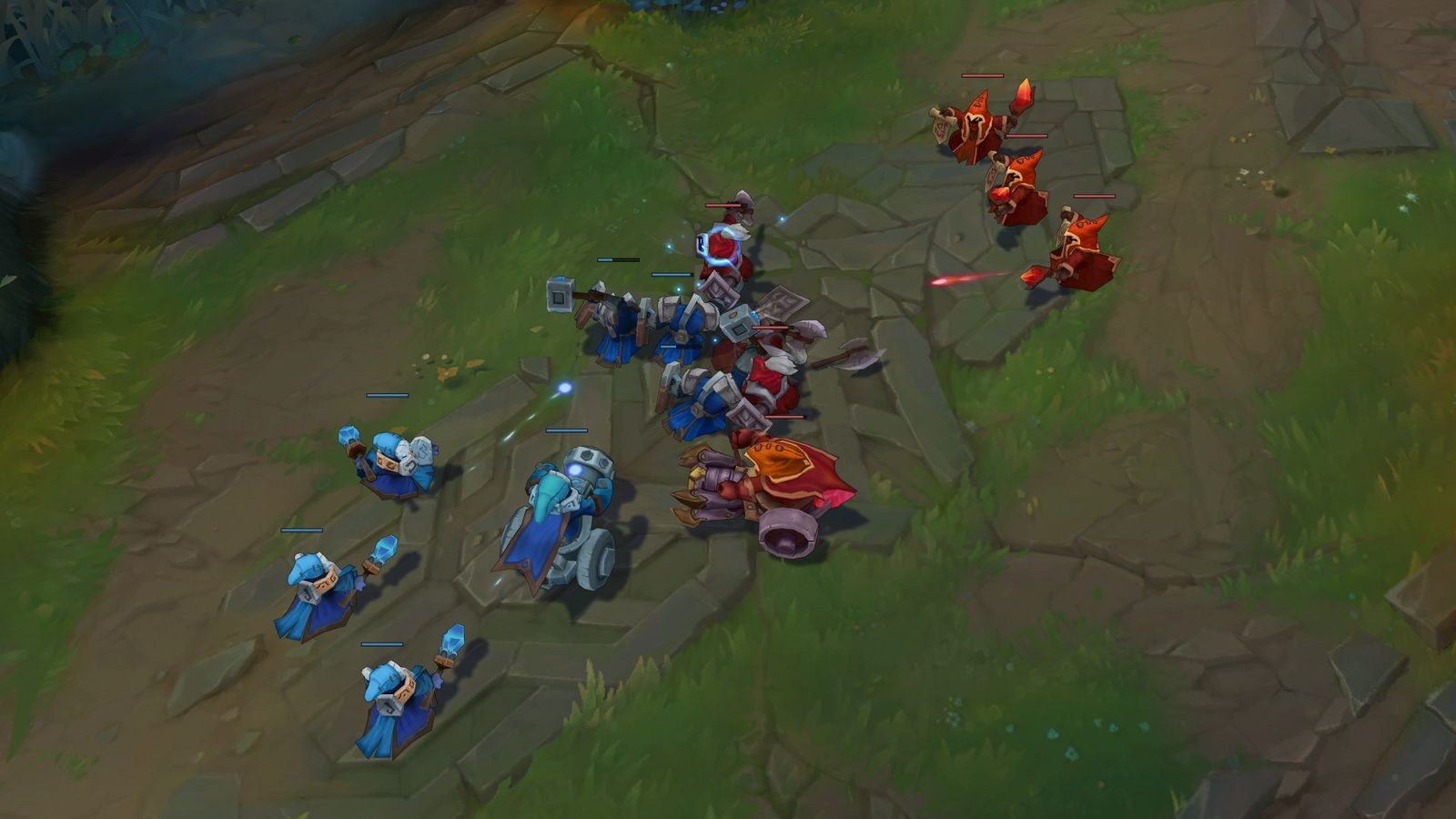
Wave control decides whether a trade is good before anyone presses a button.
A slow push builds a big wave, and the moment it meets theirs is the best time for an extended trade. Their minions are busy, and your extra minions fight on your side. A freeze near your turret does a different job. The enemy has to walk a long way up to farm, so you can punish every last hit.
Trade before the crash only when it clearly favors you, and avoid long trades going into the bounce. The wave is about to flip, and you'll be standing in their minions when it does.
A spell that hits both the champion and the wave trades and farms with one button, so it's worth more than one that hits only one.
After you win a trade, convert it:
- Crash and back. Shove into their turret and recall with your lead.
- Freeze to deny. Hold the wave on your side so the low enemy can't walk up safely.
- Take a plate. Each one pays 120 gold. Since patch 26.1, plates no longer fall off at 14:00, but outer plates lose 10 gold of value per minute from minute 11, up to 40 gold in total. Early plates still pay best.
For freezes, slow pushes and bounces in full, the wave management guide picks up where this section stops.
How Trading Changes in Top, Mid and Bot Lane
The trading rules apply in every lane. What changes is the risk, because each lane punishes a different mistake.
Top Lane Trading on a Long Lane
Top is a long lane. Lose a trade far up it and you get chased the whole way home, often with their jungler joining in. So before you trade past the middle, ask one question: can I escape if this goes slightly wrong?
Brush ownership decides who gets to trade. The top laner holding the lane brush can drop aggro, hide their positioning and threaten from vision the enemy doesn't have.
Melee against ranged top flips the whole lane. A Quinn, Vayne or Teemo punishes every walk-up, so the melee champion has to wait for a gap-closer window or a big wave. Teleport status matters too. With Teleport up you can be greedier, because a lost trade only costs a recall. Without it, a lost trade can cost you the lane for minutes.
Mid Lane Trading Around Ganks and Roams
Mid is a short lane and the most ganked one on the map, so don't burn your escape tool on poke. Dash in with your only mobility to land a trade and you've told the enemy jungler exactly when to show up.
In mid lane, the push that lets you move first to river or a side lane is worth more than health. An "even" trade that costs you the push is a losing trade, because the enemy mid gets to the river first and you're stuck clearing.
Bot Lane Trading in a 2v2
Bot lane opens with the level 2 race covered above, and it matters more here because four champions are fighting over it. Count the minions as a duo and step up together.
After that, support cooldowns decide trades. Trade when your support's engage or shield is up and theirs is down: a Nautilus who just missed Dredge Line, a Lulu who already spent her shield. And focus the same target, because two champions splitting damage across two enemies wins nothing.
The support archetype decides who wants short trades. Poke supports like Xerath and Vel'Koz want short trades from range. Engage supports like Leona and Nautilus turn any landed engage into an all-in. Enchanters like Nami and Soraka win extended trades with heals, as long as the engage never lands.
Read the Matchup Before the First Trade
Four questions at loading screen:
- Which trade length do I win?
- What's their one key ability?
- Who wins levels 1 to 3, and who spikes harder at 6?
- Which wave state favors me?
Two archetypes cover most matchups. Poke against all-in is a fight over distance: the poke champion wins every second at max range, and the all-in champion wins the moment the gap closes. Scaling against lane bully is a fight over cost. The scaling champion trades only when it's free, like punishing a last hit. The bully has to convert pressure into plates or CS, because pressure that never becomes gold is just walking around.
Keep a two-line note for each matchup you play often: "Vs Jax: trade after Counter Strike, never into it. Freeze, he hates walking up." You don't need notes on every champion, just the handful you see every week.
Common Trading Mistakes That Lose Lanes
These are the biggest trading mistakes that make you lose lane, each with its fix:
- Trading into a bigger wave. Count minions first and trade only with an equal or bigger wave.
- Staying too long in a short trade. Name the length before you step in and leave when your burst is spent.
- Trading into their key cooldown. Bait it out, watch it go, then trade.
- Missing your own last hits to trade. Take your CS first, then punish their next one.
- All-ins without jungle info. Check where their jungler was last seen before you press your ultimate.
- Winning a trade and not converting it. Crash and back, freeze or take a plate, and decide which before the trade ends.
- Judging a trade by a health snapshot. Check the ledger again one wave later.
Coach callout: The habit we see most in Silver and Gold VODs goes like this. A player autos the enemy inside a full enemy wave, eats the minion aggro, sees the enemy a little low and chases. Now they're deeper in the wave, taking even more minion damage, and the enemy turns on them. The fix is boring: when the wave turns on you, the trade is over, so walk out. A close second is trading while their own last hit sits right there. CS first, trade second.
How to Practice Trading Every Game
Pick one drill per game. Stack them and you'll do all of them badly.
- Last-hit punish only. Trade only when they walk up to last hit.
- Call their key cooldown out loud. Every time it goes down, say so.
- Equal or bigger wave only. No trades into a bigger enemy wave, ever.
- Name every trade's length. Short, extended or all-in, before you step in.
After the game, open the replay and review the first 10 minutes with a trade log. For every trade, write down:
- The minute
- Who started it
- The window used (last hit, cooldown, spike or wave)
- The length you named against the length it actually ran
- The ledger result one wave later
Strong players trade like this on instinct because they've run this review in their heads for years. After a few games, your own trade pattern shows up in the log. Maybe you always find the window but never leave on time. You won't win every trade, but you'll know which ones you're losing and why, and that's most of the gap between trading like a high-elo player and pressing buttons near someone.
If you'd rather have someone else keep the log, a VOD review with a high-elo coach on LoL Coaching marks every trade for you and spots the habit you can't see yourself.
Frequently Asked Questions
Do Skillshots Draw Minion Aggro?
Mostly no. According to the League wiki's minion page, Call for Help triggers when you damage an enemy champion with a basic attack, most unit-targeted abilities or a minority of other spells flagged as similar. It reaches minions within about 1,000 units of the champion you hit. Most skillshots and area spells don't trigger it, which is why mages can poke from inside a wave. Each ability's Details section on the wiki lists the exceptions.
How Many Turret Shots Can You Afford in a Trade?
One at most. A turret switches to you when you damage an enemy champion within 1,400 units of it, and each consecutive shot on a champion deals 50% more damage, up to 150% bonus. That bonus only resets 5 seconds after the turret's last hit on a champion, and switching targets doesn't reset it. Trade under their turret only if your wave is tanking it or the kill is guaranteed.
How Long Is Flash Down After You Force It?
Flash has a 300-second base cooldown, so forcing it buys you about five minutes in which the enemy can't Flash out of an engage or a gank. Note the game time, ping it for your jungler and plan your all-ins inside that window. Summoner spell haste from runes such as Cosmic Insight shortens it, so check their runes before you count on the full five minutes.