Your team shows up to the Dragon pit only to find that the enemy team has been camped there, sweepers ready and wards placed all around. Or maybe your team makes the fight at Dragon, but a fat minion wave eats your outer turret while your team is brawling it out on the other side of the Dragon wall.
Every League of Legends player has lived both of these situations, which have one thing in common: a mistake in your lane 90 seconds earlier.
This wave control guide covers those 90 seconds before an objective. It will give you a countdown, starting from 90 seconds out and matching up to the objective's timer. It will then detail what to do in each lane for each objective (Dragon, Voidgrubs, Rift Herald, and Baron), and there will also be a plan B for when the timing slips. Wave management before objectives isn't anything different from the freeze and slow push you may already know how to perform, but it's just done to the clock.
Why Wave Control Decides Who Reaches the Objective First
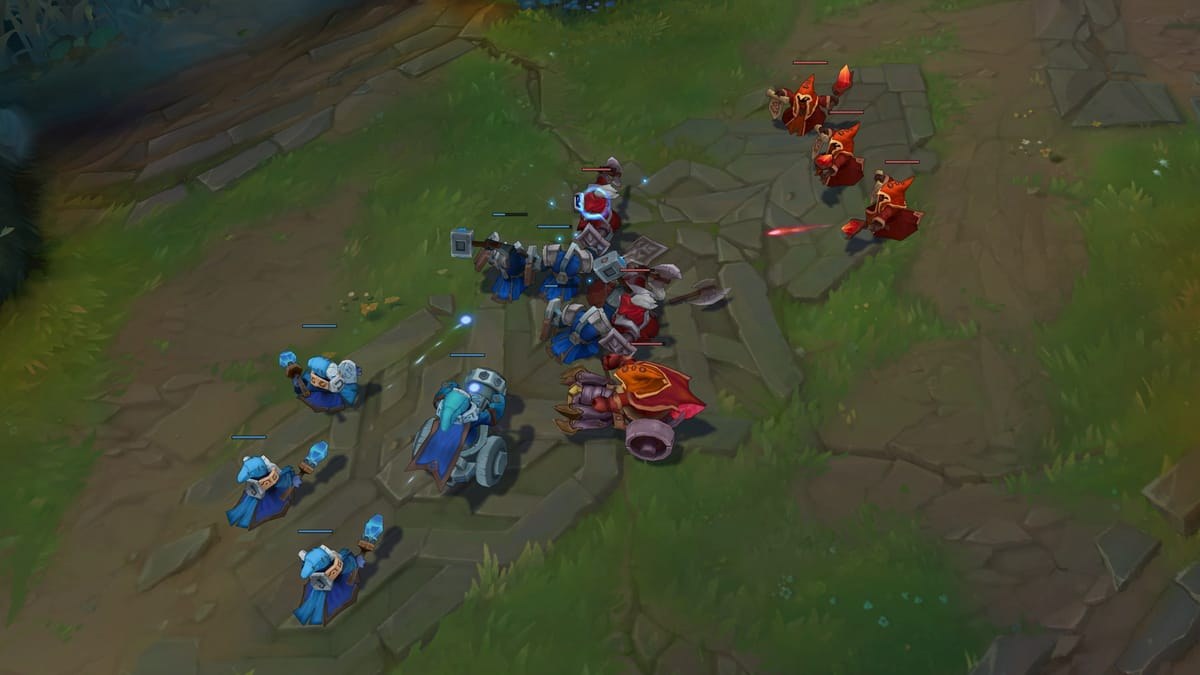
Lane priority isn't just analyst talk. It's whose wave is pushed up against the other team's tower. It matters because whoever crashed their minion wave into the enemy turret is free. They can leave lane and run through fog of war towards the pit, because their minions are soaking turret shots.
The enemy laner has to choose. They can defend their tower (in which case they'll get there later), or abandon their wave and show up for the fight (in which case they could lose plating from minions chipping at their tower). Either way, you arrive first with your CS and XP intact. That's what a minion advantage buys you.
Flip it and you're the one choosing. If the enemy laner pushes the wave into your turret right before the fight, every minion that dies to your tower is gold and XP you never see. And since Patch 26.1, turret plating no longer falls off at 14:00 and each plate pays 120 gold, so a wave left on your turret can bleed plates during a Herald fight too.
So what's one wave worth? As of Patch 26.1, a melee minion pays 20 gold, a caster 14 and a cannon 50 plus a little per upgrade. A regular minion wave of three melee and three caster minions is 102 gold, while cannon waves will get you closer to 150 gold. If two waves build up, that's around 250 gold, assuming one of the waves has a cannon minion.
Knowing all these values can help you figure out when you should apply pressure in lane and when you should show up at the pit.
Start Setting Up Your Lane 90 Seconds Before the Spawn
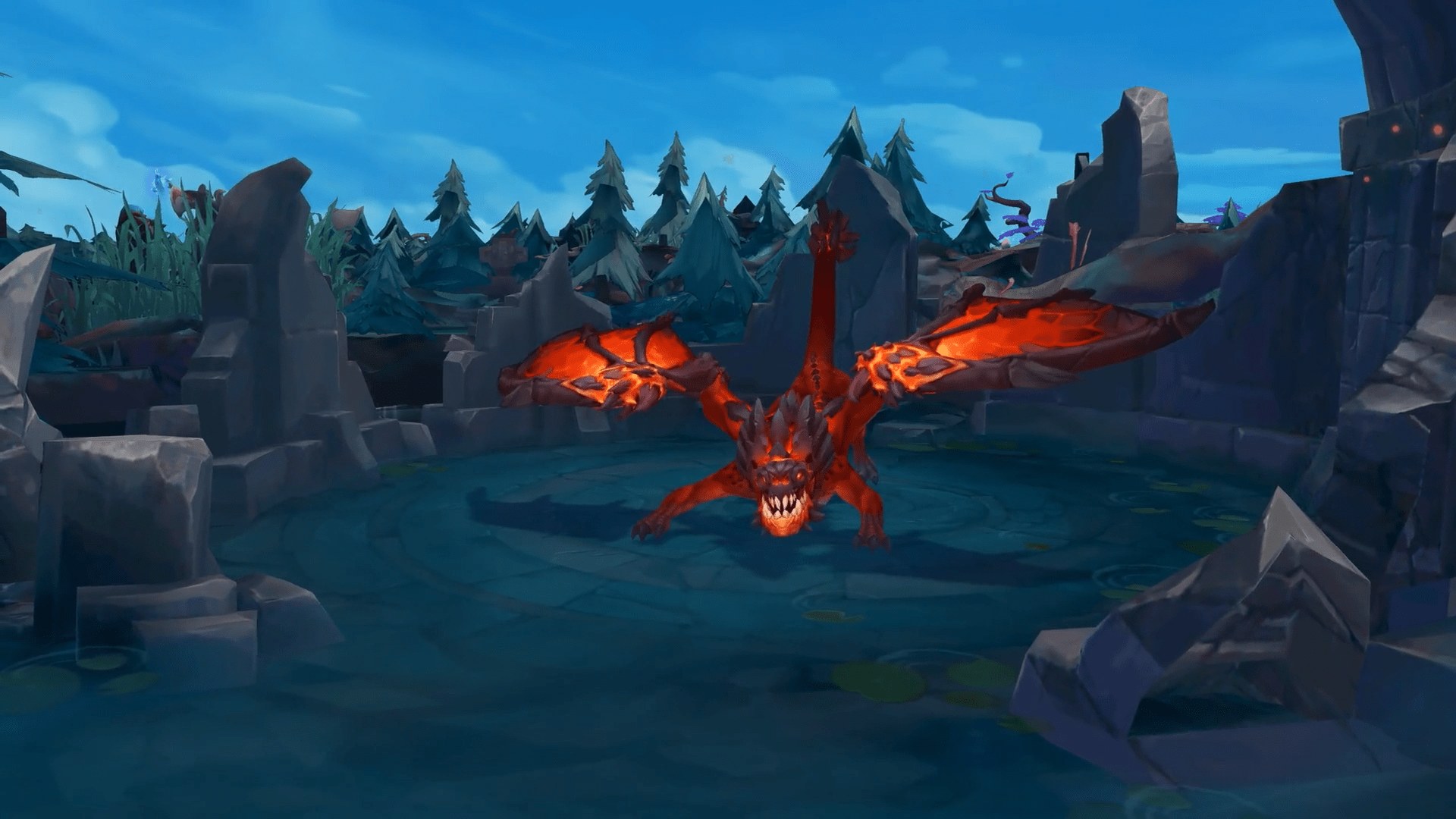
You usually don't think about Dragon until the jungler pings it. Then it's too late, as you're two waves behind. Objective setups begin approximately three waves before the spawn, so create a new habit: look at the objective timer whenever you finish a trade, or after you finish a recall. If the spawn is coming up in less than two minutes, your wave management is now about the pit, not your lane opponent.
Count Backward in Waves From the Timer
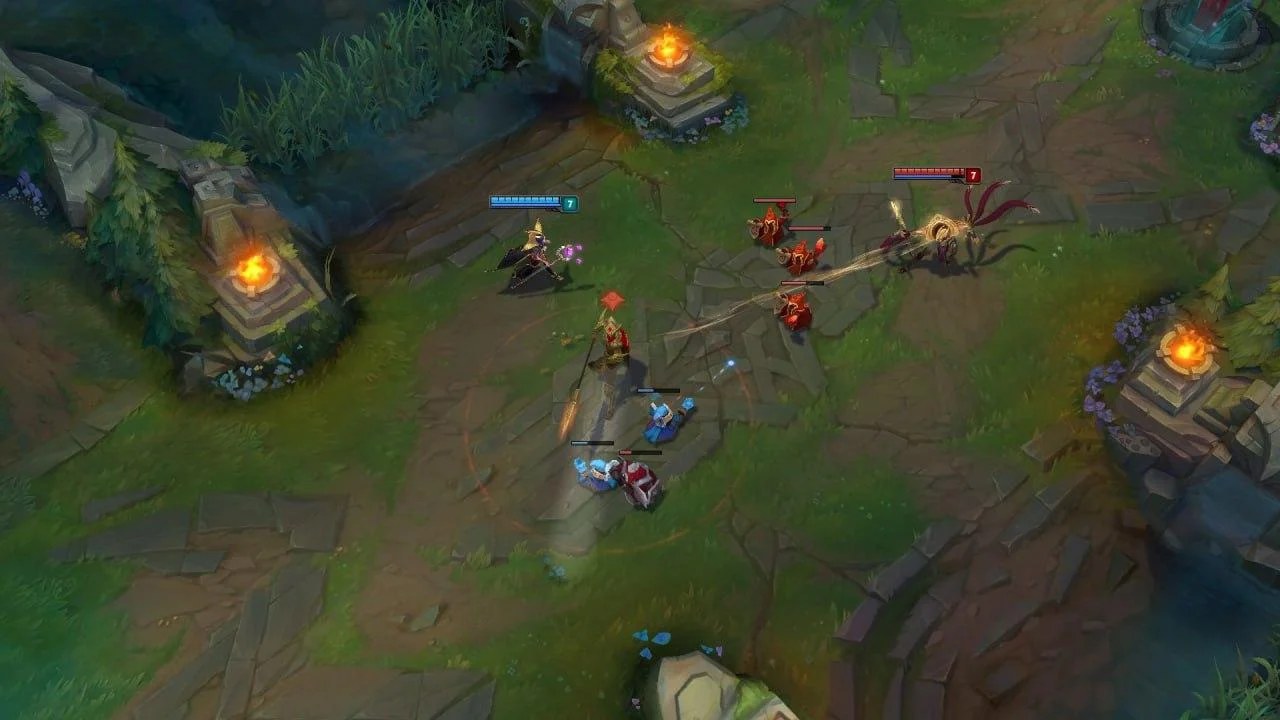
Before 14:00, waves spawn every 30 seconds starting at 0:30, and every third wave carries a cannon (the previous timing at 1:05 no longer applies), which means that any 90s time period will contain 3 minion waves and also a cannon wave.
So say an objective is going to come up, you want to start a slow push on the wave of minions in front of you ~90s before. It should crash into the enemy turret ~45s before, and you should be in the river with wards going down 15-20s before.
Early on, it should be pretty straightforward as minions will spawn right on the :00 and the :30. Also, first Dragon spawns at 5:00, which means the slow push is going to be built around the cannon wave at 3:00.
After 14:00, the clock speeds up. Waves come every 25 seconds with a cannon on every second wave, then every 20 seconds from 30:00. Later on, it gets a little harder to visualize the timings, but it's still pretty straightforward. For example, if you're working on setting up for a mid-game objective, you know it'll be 90s beforehand, so you're looking at about four waves and most likely two cannons.
Crash the Wave and Recall Before the Fight
Often it's advantageous to do what's commonly known as a crash-and-recall (or a cheater recall). You wait for the minions to aggro the enemy turret, start your recall, and go get some item components while the enemy laner is under tower dealing with the minions. Then, you get to walk into the pit with full health/mana while they're at half a mana bar, and with an item component they don't have.
Plus, once your stack dies under their turret, their fresh wave meets your next one with the advantage and drifts back toward your side, where it's waiting when you return.
However, if an objective will be coming up in about 40 seconds or less, skip the recall. Simply shove, walk straight to the objective, and let your teammate know that you'll be there.
Pick the Wave State You Leave Behind
There are three choices when leaving.
- Slow push: a big wave crashes later.
- Fast push: the current wave crashes now.
- Freeze: the wave holds just outside your own turret.
The choice depends on time remaining and whether your team can contest.
Slow Push Into a Crash When You Have Time
Target the enemy caster minions first for an easy numbers advantage, since casters are the squishiest enemy minions. Only start last hitting after the caster minions have been eliminated. Your surviving melee minions will give your side an advantage in the following minion wave(s).
Rules of thumb on the wave size required to keep the wave pushing: a 2-3 minion advantage if your wave is in your half of the map. In their half, a 4-5 minion advantage (since their turret is helping them out).
Ideally, you'll get a couple extra minion waves on top of the original minion wave advantage. Try to time this to coincide with a cannon minion wave if at all possible. A cannon inside a massive wave makes all the difference between a wave with light push potential and one capable of removing two plates.
Why bother when a fast push is quicker? A powerful wave crashing into their turret will present the enemy laner with a dilemma. Do they stick around in lane (thereby putting their team in a 4v5 in the pit), or do they leave the lane, allowing your wave to chew through their turret plates? A good wave wins both ways.
If you'd like a more minion-by-minion guide on how to set up a slow push, take a look at our guide to slow pushing.
Fast Push When the Timer Is Already Close
Dragon spawns in 50. Wave is in the middle of the lane. No time to stack. Fast push.
Always AoE the whole wave and auto the meaty minions (melee minions + cannon). Meaty minions will keep your wave from advancing, which you definitely don't want when you need to fast push. You don't have time to slow push (by killing casters first), so you need to get a crash asap.
Keep in mind the wave will be smaller (since you're basically killing everything as soon as you can), so their turret will delete it sooner and it'll bounce faster.
Your wave clear is also on cooldown, which is exactly when laners get ganked. Check where the enemy jungler was last seen or put a ward in the river. If you have no information, shove from max range and stay safe while autoing. A dead laner ten seconds before the spawn is worse than a late one.
When Freezing the Wave Beats Pushing
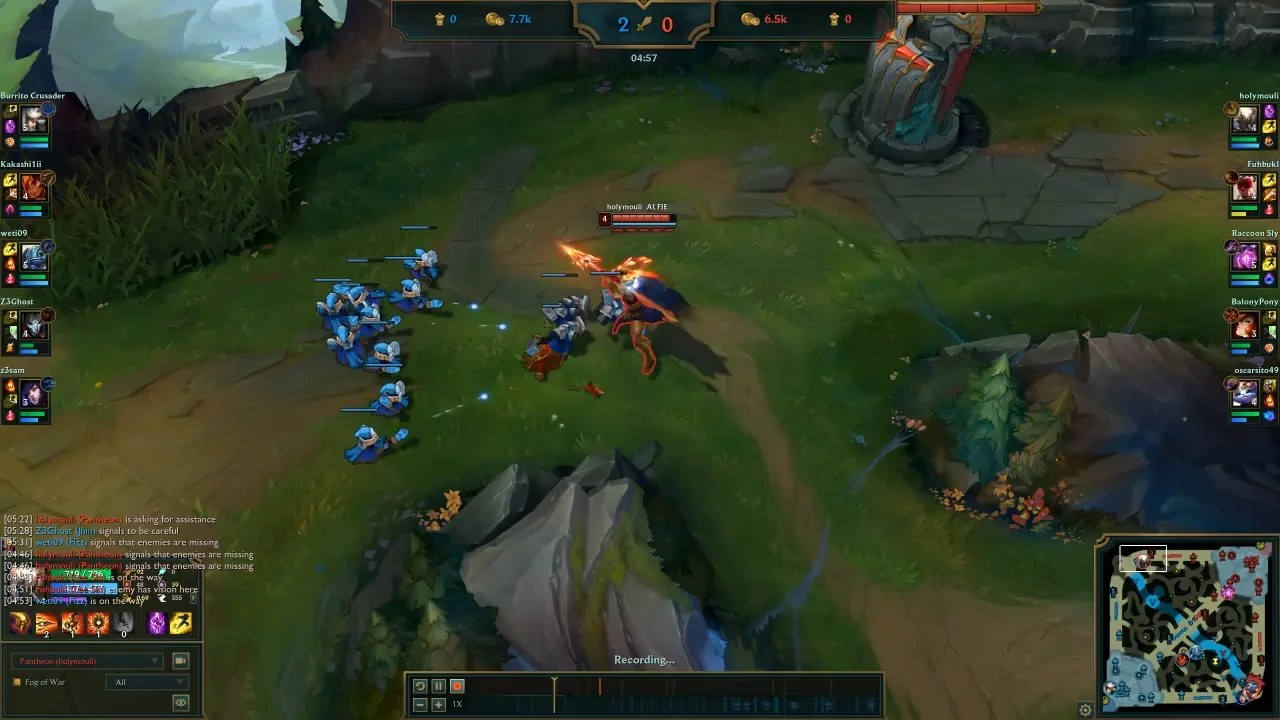
Freezing is the exception, not the default. You should freeze if you're playing weak side, if you're playing from behind, or if your team has decided it can't contest.
If you are supposed to freeze, make sure that you freeze it properly: just outside your turret. Freezing the wave there means your lane doesn't bleed while everyone is at the pit, and the enemy laner either has to overextend to last hit that wave or show up late. From the enemy lane's side it's lose-lose, which makes freezing a lane one of the few ways to bully the enemy from behind.
The warning: when it's clear your team is going in, you can't freeze. Keeping the wave frozen means watching your team get caught in a 4v5 while you sit in the safety of your tower. Instead, when they commit, shove what you can and get to the action asap.
Which Lanes Need Priority for Each Objective
Each objective sits on one side of the river. The lane closest to the pit will crash first, while the laner on the other side will either have a safe wave, or they're trading something across the map.
Dragon Needs Mid and Bot Lane Priority
Dragon spawns in the bottom-side pit, so it's a bot lane and mid lane job. Two waves before the spawn, you should be doing a slow push as a botlane duo and crashing those two waves.
Often ADC and support are both hitting the minions here. But you want at least one of them (usually the support) to get vision up around the pit and in the river as soon as those waves have been stacked. Stop autoing those minions right away so you can ward, while your ADC finishes crashing it. Two laners hitting minions means zero laners holding vision.
The mid laner should crash and come down first, as mid's wave resets the quickest of the three lanes. If the top laner wants to Teleport in, they should crash as well, so the summoner spell doesn't cost them a wave plus plates. Otherwise, freeze or take plates if your wave is in a good place to do so.
Voidgrubs and Rift Herald Need the Top Side
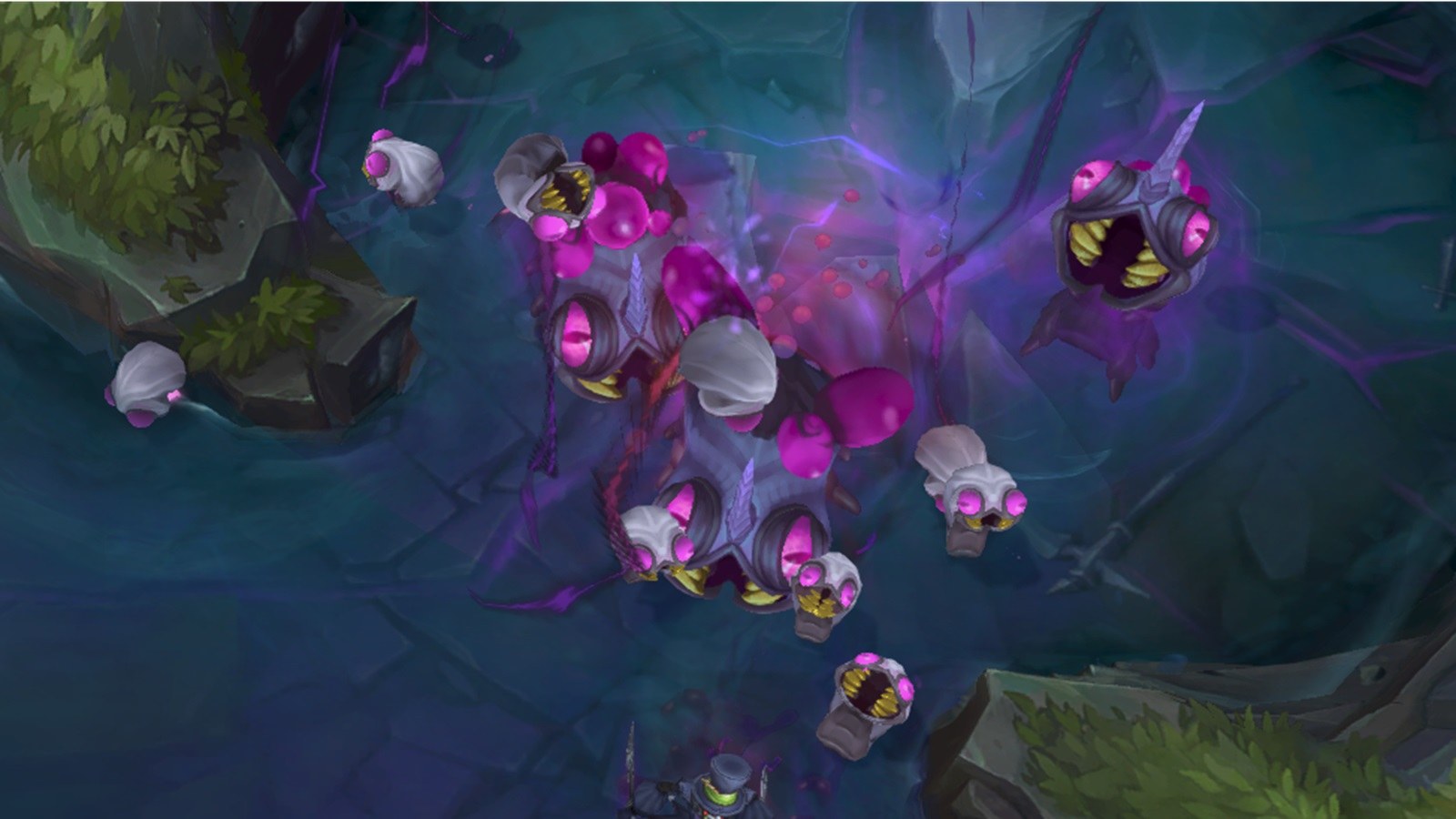
Voidgrubs spawn once at 8:00 as a camp of three in the Baron pit, despawn at 14:45, and Rift Herald takes the same spot at 15:00. Same rules, other side of the map.
Top and mid should set up by crashing their waves before the spawn. For top specifically, a slow push is good setup for protecting your jungler, as having a large wave crashing into the enemy's turret will make it difficult for the enemy top laner to follow your rotation without giving up minions. At 6:00 (two minutes before Grubs), there's a cannon wave spawning which can be used for the Dragon cannon trick.
Bot lane can't contest from the far side of the map but should use this as an opportunity to pick up some extra farm while the enemy jungler is busy up top (just make sure your wave is in a safe state)..
The first scuttle crab fight can be thought of as a practice Voidgrubs skirmish. Mid and whichever side lane is the closest should crash/push out their wave to set up the fight and allow the side with priority/push to roam. Keep in mind Patch 26.1 has changed the early jungle timers slightly, so you will want to keep track of your jungler's path instead of having a set timer to roam at.
Baron Needs Every Lane Pushed
Patch 26.1 removed Atakhan and moved Baron back to 20:00. Baron fights land in the mid game and involve all three lanes, not just two (like Dragon).
It's important to push all three minion waves before starting Baron, especially mid and the bot-side wave, which is furthest from the pit. Pushing waves also provides vision of the lanes as the minions will light them up. This way, if Baron is up and your team wants to pressure the objective, the enemy team has to decide if they want to defend against losing turrets or contest the Baron fight.
Ideally, you've pushed the wave in bot. The enemy team either loses the wave and turret and still has to deal with your team on Baron. Or they send someone down bot to deal with the massive wave, allowing you to start Baron with a 5v4.
If you can break an inhibitor, then that lane is being pushed automatically with super minions, whether anyone defends that side of the map or not.
Why the Mid Lane Wave Moves First
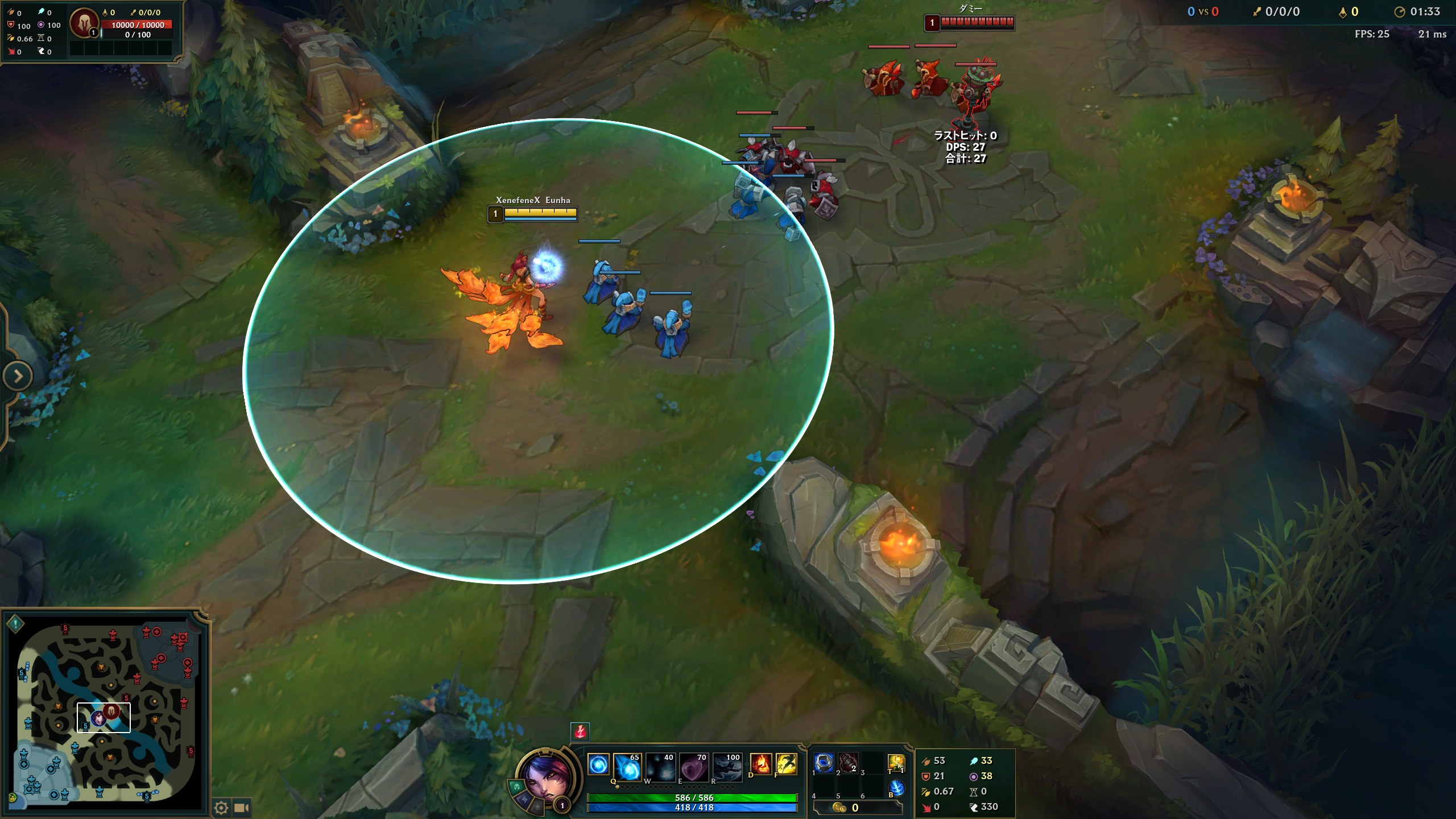
Wave management in mid lane:
- Mid is the shortest lane in Summoner's Rift. Its waves will reach, crash, and start rebuilding faster in comparison to other lanes. As such, the mid laner with prio gets to the pit before anyone else, which is why your jungler asks, "can mid move?"
- How you use that head start depends on your champion. Mages with long-range wave clear shove, then poke. Xerath is the clean example: Arcanopulse and Eye of Destruction clear the wave from a safe distance, then he walks to the pit and chunks whoever has to stand near it. The enemy has to engage onto him or bleed health while setting up.
- Assassins don't have these luxuries in the laning phase. Champions such as Akali/Qiyana will have to slow push timed with the cannon. Once the cannon wave forms and is set in motion towards the enemy turret, they will roam to either lane or into the river while the enemy mid clears.
If you don't have prio, how do you react?
- Don't walk into an unwarded river behind an enemy mid who has tempo. They got there first, they know your path, and the matchup stops mattering when three people flank you.
- Hold the wave, get the next wave, and arrive with your team. In our mid lane coaching we teach you how to rotate properly.
What to Do When You Can't Crash in Time
All the guides tell you to crash before objectives, but no one tells you what to do if you can't. This is plan B.
Leave Three Casters and Let the Wave Come to You
Instead of letting it crash, you want to thin their wave. You kill the melee minions and leave ~three casters, which will result in the enemy wave being very small and approaching your side of the map really slowly. As a result, those last few minions will then mix with your wave coming in and stall, so they won't crash into your turret before you get back.
The closer the minion wave already is to your turret, the more casters you should leave. Your wave is closer in as well, so if you thin it too much, your minions push it straight back out.
Thinning is best used in situations where you can't crash them in time, and another use case is if you're in a disadvantageous matchup and can't afford to shove against a lane bully.
Should You Clear a Big Wave or Join the Fight?
It's situational. Clear the wave if all three are true:
- The wave has 8+ minions on it, including a cannon.
- The wave is crashing into a turret with plates or low health.
- Your team has the resources to either delay the objective or doesn't need you for the first few seconds of it (for example, letting them get the first drake free is OK if it saves a lot of money in lane).
Massive waves with a cannon are worth around 250g in potential permanent CS, and each plate the enemy laner takes is worth 120g.
There are also two scenarios in which you should leave to take the objective:
- Your absence could feasibly result in a contested Dragon, a soul point, or a Baron fight being 4v5.
- The objective is Baron, the Elder, or the soul point.
Baron, soul point and Elder fights are much more important than what you stand to gain in CS. These are game-ending fights. It is better to let the enemy team have a wave crash for free in lane than allow them the soul point 4v5.
The bigger the stakes, the more important the objective is to grab.
In either scenario, it is extremely important you tell your team what your intention is. Ping "Clearing, 10 seconds" and make sure your team understands they can stall or fight back on a timer. Failure to do so can result in one teammate assuming you are on your way and starting the fight early and losing the 4v5.
Trade Across the Map When You Can't Contest
Sometimes your team just can't contest. Don't run into a fight that has already started, because you're just donating a shutdown at that point.
Instead, look at what resources you can get on your side of the map in the meantime. Can you crash your wave into their face, or push and get a plate or the whole tower? Do it, since crashing or pushing can also force the enemy laner to stay with you. Can you freeze to deny them CS, if they stayed in? Do that as well.
If three enemies are in the river and your bot lane is dead, don't go into that fight. Apply pressure where they aren't, and attack the enemy's structures instead of their numbers advantage.
Catch the Wave After the Objective
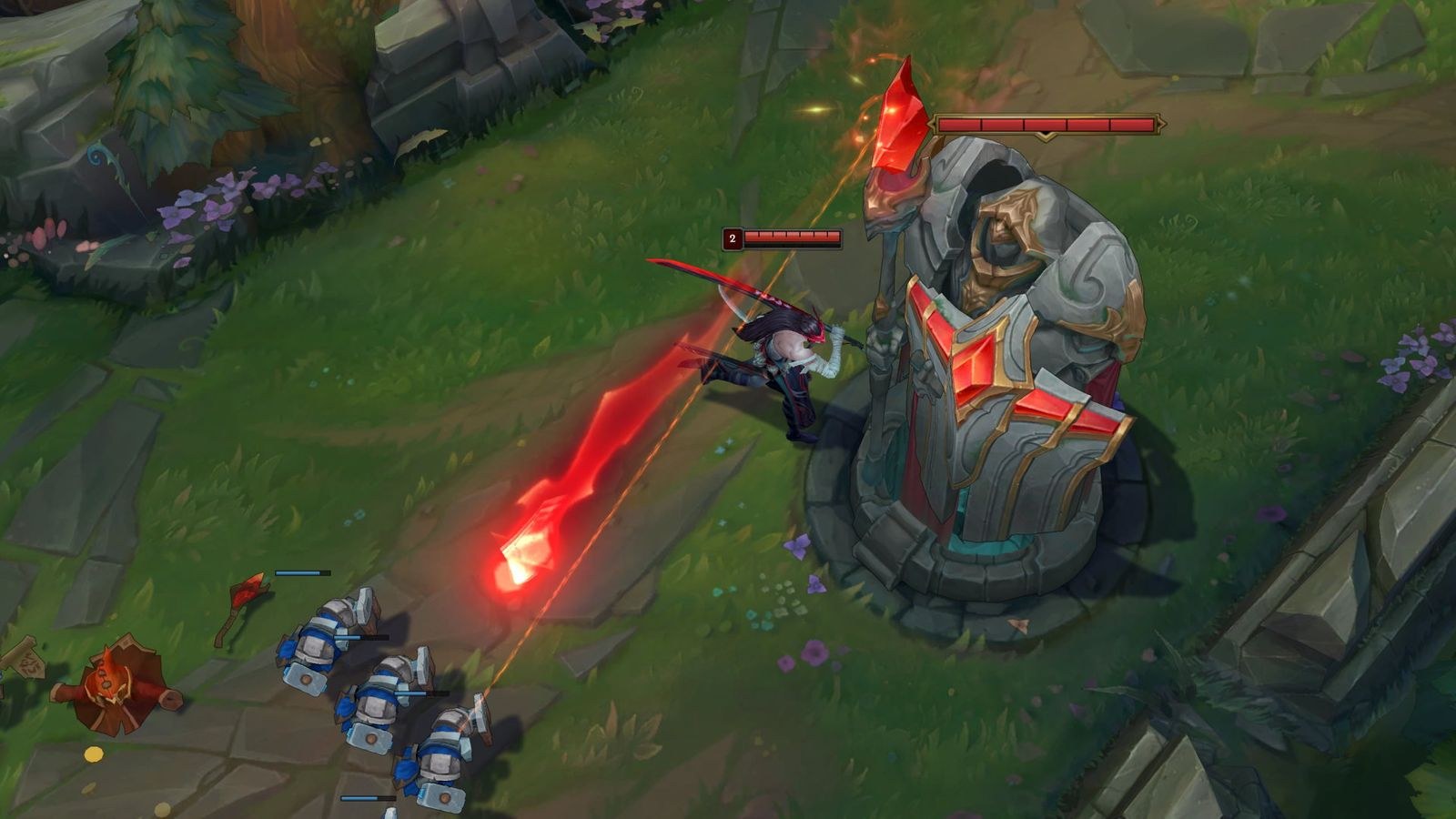
When fighting in team fights, also pay attention to the waves. If you win the fight and minions crashed, you can siege and take a tower. If you won the fight, but waves are even, you'll only reset to bases.
If you lose a fight and go to catch a bouncing wave on the enemy side while low, that's a free gank. If you lose it and the wave is bouncing, you can recall or wait for your teammates, because the wave will bounce to your side and you'll take it safely.
If you get Baron, try to get some items with the Empowered Recall (you'll go back to base faster). Don't run ahead of your minion wave. Push the wave together, so you can buff them with the Hand of Baron and force every enemy champion to spend time dealing with them (buffed minions receive reduced champion damage). In the late game, this wasted time means the difference between losing an inhibitor or not.
Pre-Objective Wave Management Mistakes That Lose Fights
- Don't blind shove: pushing feels super satisfying (especially if you're laning well against a lane bully), but shoving your wave into their tower and dying 20 seconds before the spawn will only lead to more problems down the line. If you're not sure if it's ok to shove your wave, check where the enemy jungler was last spotted or ward river before investing your cooldowns into a shove. No info? No shove.
- Don't freeze into a teamfight: sure, it's really cool of you to maintain the freeze all fight, but your team would prefer not to be 4v5'ing in the pit because of it. Freezing is good when your team isn't in a fight, and when they are, get in there with them asap.
- Don't crash the wave too early: when looking to crash a wave before a spawn, don't crash it 90 seconds out instead of 45. Slow push the wave and crash it later so the bounce returns after the fight, not during it.
- (for supports) Stop autoing minions when your ADC doesn't want to: sometimes your ADC will be looking to crash the wave at a certain point, and you're still autoing minions. Communicate wave management at 90 seconds instead of 15, and stop autoing after you help build the stack, and go get some wards.
- Don't run away from a pushing wave: if you leave them be, you'll be donating plates to the enemy team because with no champion there, the turret's aggro stays on minions. Never leave a wave in their favor. If the minion wave is coming to your turret, you need to either crash it, get it down to three casters, or stay with it.
Get Your Objective Setups Reviewed by a Master or Challenger Coach
Here's a drill that shows how you really manage waves. Open a couple of your recent games as replays and fast forward up to about 90 seconds before each Dragon, Grubs, Herald, and Baron spawn. At each one of these timings, look at each lane and work out whether they're pushed, neutral, or on your own turret.
Then fast forward to the objective itself and work out who got there first. Do that a couple of times and you'll soon start to see a trend, which probably comes from the same lane each time.
Alternatively, if you fancy letting someone else figure that out for you, you can get your VODs reviewed by Master and Challenger coaches who read wave management the same way. They will let you know exactly which waves to crash, when to leave them, and what patterns in your own gameplay cause you to be late to objectives.
Either way, the count starts at 90 seconds. Objectives are won or lost long before someone casts Smite.