Your lane opponent is on 40% health, you have Ignite up, and a voice in your head says go. Sometimes it's right: you get the kill, shove, take a plate, and the lane is yours. Sometimes the enemy jungler walks out of river fog and you're staring at a grey screen.
A good all-in is the fastest way to win lane in League of Legends. A bad one is how low elo laners throw early game leads, and it's nearly always the same few mistakes.
The fix isn't faster hands. This guide shows you when the kill is really on, how to take it, how to set up ganks with your jungler, and how to turn the kill into a won lane in League of Legends.
What Is an All-in in League of Legends?
An all-in is a fight you don't plan to walk away from. You commit abilities, summoner spells and health until somebody dies or burns Flash to escape.
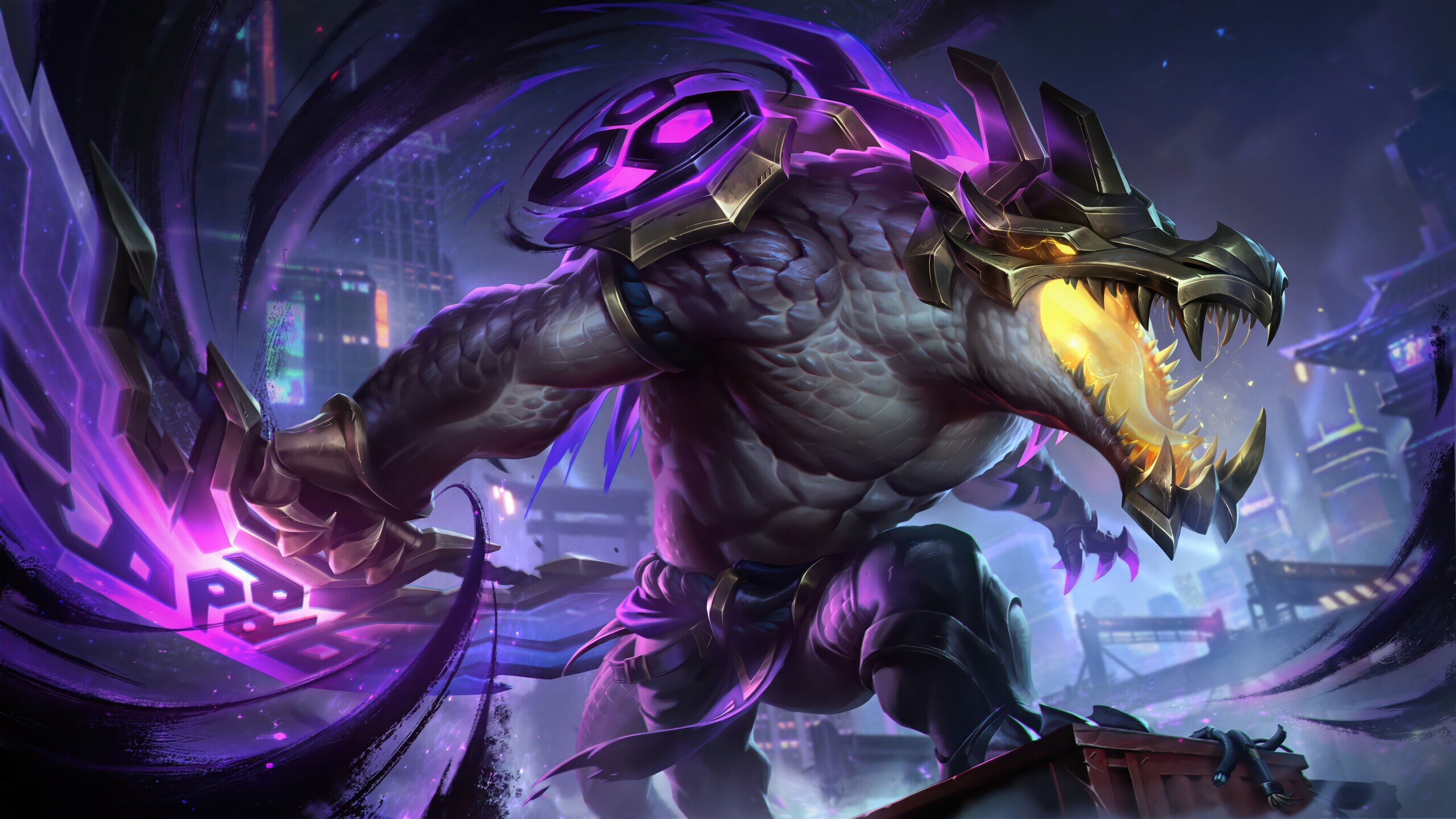
That's not a trade. A short trade is one combo and out: Renekton dashes in, stuns with W and leaves before the minions turn on him. An extended trade runs a rotation or two longer, but either laner can still walk away.
The stakes are higher than in any trade. A kill pays you gold and experience and buys lane priority: while your lane opponent respawns, you choose when to shove, plate, roam or recall. A failed all-in hands all of that to the enemy. Lose it once in a tight matchup and you can lose the whole laning phase.
Check These Three Things Before You Commit
Most bad all-ins fail because nobody asked three questions first: can I kill them, what do they have left, and where is their jungler? You should be able to answer all three while your lane opponent walks up for a last hit. If any answer is "no" or "no idea", don't make a play. Trade, or wait for a better position.
Health, Mana and Kill Damage
Compare HP bars, but count the minions: near their wave, every caster is shooting you, and a small lead vanishes mid-combo.
Then check that your full rotation plus autos actually kills, not just "gets them low", and that you have the mana to cast all of it. Running dry one spell short hands over a free kill.
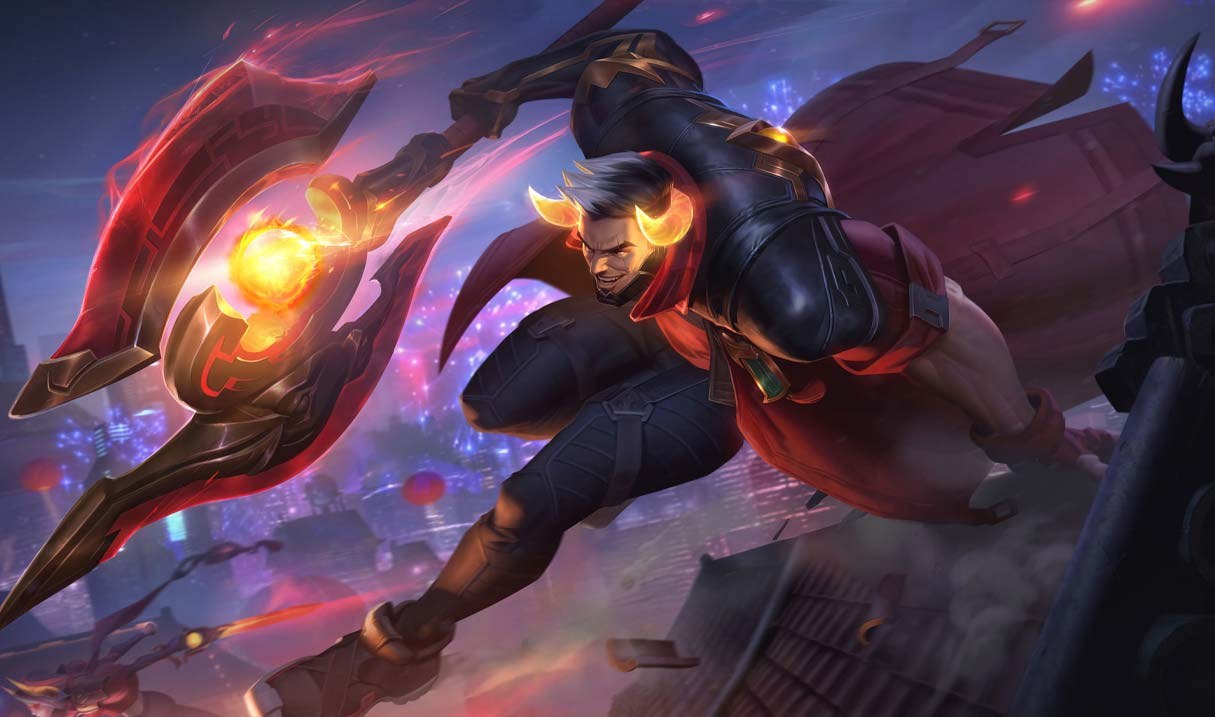
Champions like Darius and Renekton all-in off base damage and get scarier as the fight drags on. Poke mages like Xerath win matchups from range and lose most extended fights, so their all-in is usually an ultimate on someone already low.
Cooldowns and Summoner Spells
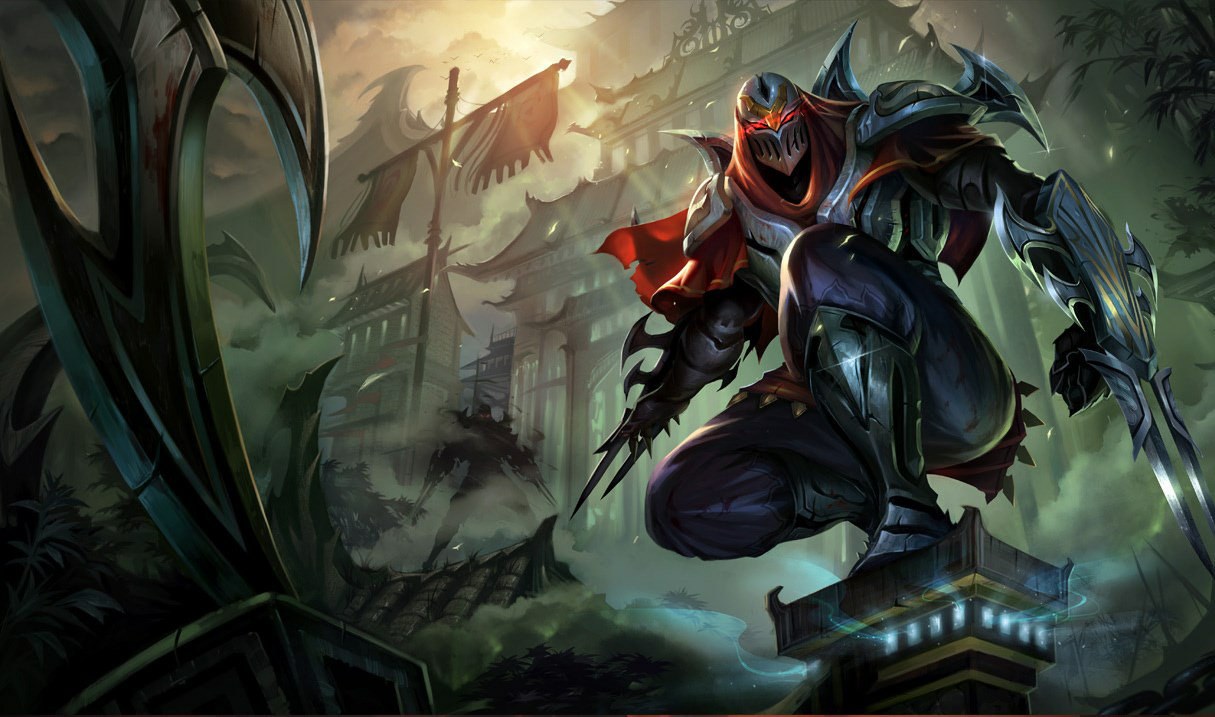
An all-in into a full kit is a coin flip. An all-in into an empty kit is a kill. Every champion has one spell that saves them. Against Zed it's W, Living Shadow: if he burns it to farm or trade, he has no escape until it's back.
Summoners matter more. Flash has a 300-second cooldown, so note the minute of the game it went down and type it in team chat ("top flash 4:10"). A Flash-down window is the most reliable early all-in there is.
Then check their second summoner, and time it the same way. Ignite, Exhaust, Heal and Barrier decide who wins the last two seconds of an even play.
Where the Enemy Jungler Is and Where to Ward
This check kills the most players, because the honest answer is usually "no idea". A jungler who starts red buff and full clears usually finishes near their blue buff and ganks that half of the map. One who skips jungle camps for a level 3 gank usually hits the lane nearest their start. Scuttle fights are a tell too: an opposing jungler contesting your river is close.
Ward river or tri-brush before you commit. If the enemy jungler is unaccounted for and you're on their side of the lane, skip it. A 2v1 flips the kill onto you, and that's how most ganks in low elo end.
Time Your All-in Around Level and Item Spikes
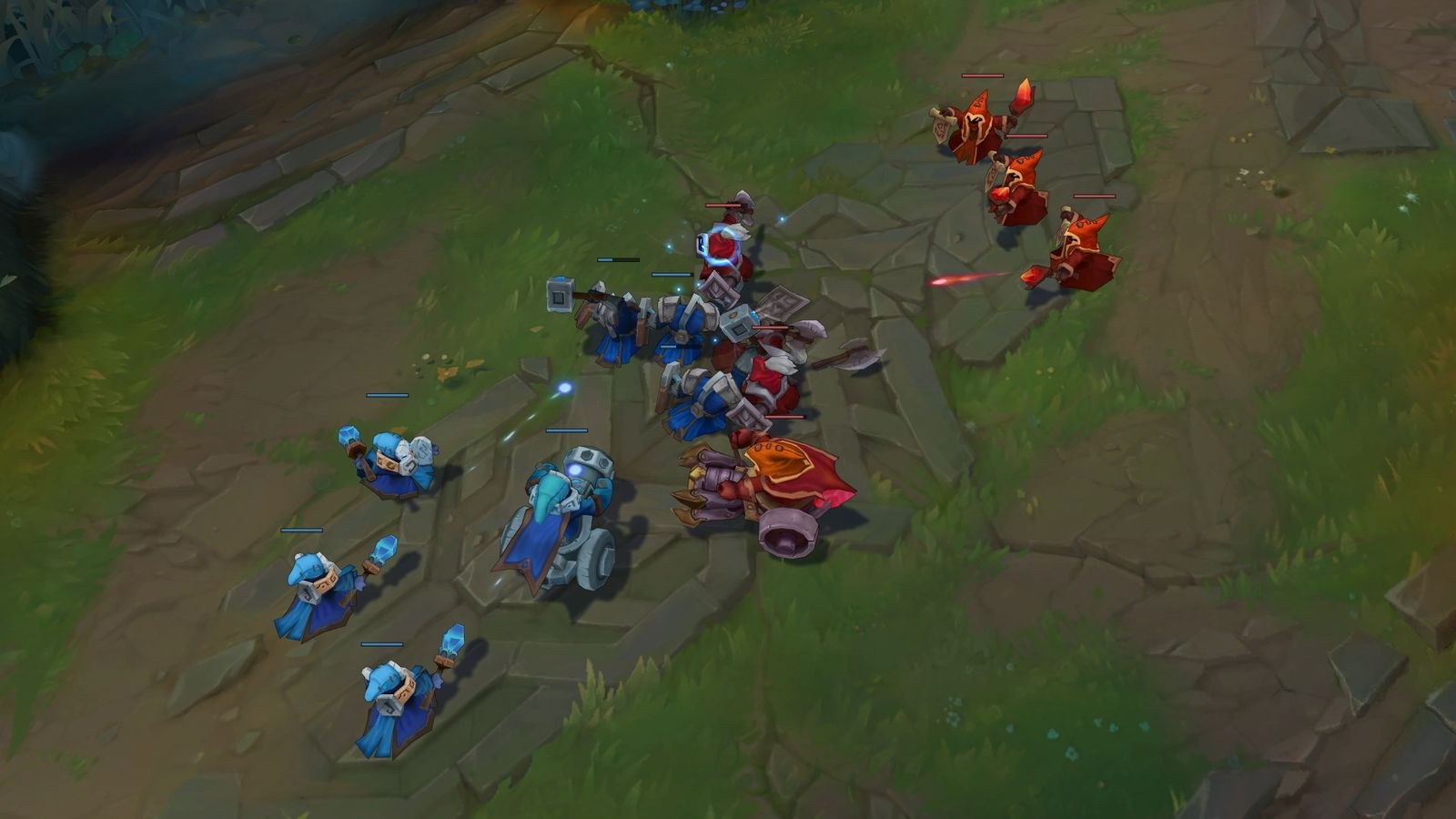
Most early kills happen because one player is a level or an item ahead for a short window. Your job is to spot it first.
The level 2 race. A solo laner needs 280 experience for level 2, and the first wave leaves you a hair short, so level 2 arrives when the first melee minion of wave two dies, seven minions in. Level 3 lands after two full waves plus two melee minions. Bot lane is slower because two champions split each minion's XP, so the duo needs the first wave plus three melee minions of wave two. Hit it first and you have two abilities against their one.
Level 3 is the spike for champions who need all three basic abilities for their combo, which covers plenty of top laners.
Level 6 decides assassin matchups. Zed and Talon can't kill a healthy target before their ultimate, then suddenly they can. Watch your opponent's XP bar, not just yours.
Item spikes come on the first back. If your opponent stayed in lane with too much gold unspent and you just bought a component, you're stronger than the HP bars say.
The rule under all four: play towards the moment your champion comes online and away from theirs. Every CS before your spike keeps your gold income up, and every all-in belongs inside your window.
Set Up the Minion Wave Before You Fight
The minion wave is the third player in every lane fight, and it sides with whoever has more. Minions attack champions who hit their allies, and at levels 1 to 3 that damage is a big slice of anyone's health bar.
The cleanest setup is a slow push. Kill their caster minions first and leave the melee ones alive, so your wave stacks two or three extra minions. Slow pushing is a skill of its own, but in short: when the stack crashes, their side of the lane fills with your minions, and that's when you go.
The opposite setup is a freeze near your turret. Holding the wave on your side of the map forces your opponent to walk up to farm, far from their turret and close to your jungler.
Now the low elo mistake that loses the most lanes: never all-in inside a full enemy wave at levels 1 to 3. Six minions turning on you is like fighting a third champion who never misses. If the wave favors them, wait for it to thin out, and count the cannon, because it swings early fights.
After the fight, wave clear decides how fast you reset. A champion who deletes the wave in two spells gets a free recall. One who can't walks a slow wave into turret while the enemy respawns.
How to Execute an All-in Step by Step

Once the checklist says go, the order you press buttons decides whether a winning fight ends in a kill.
1. Wait for Their Escape or Defensive Spell
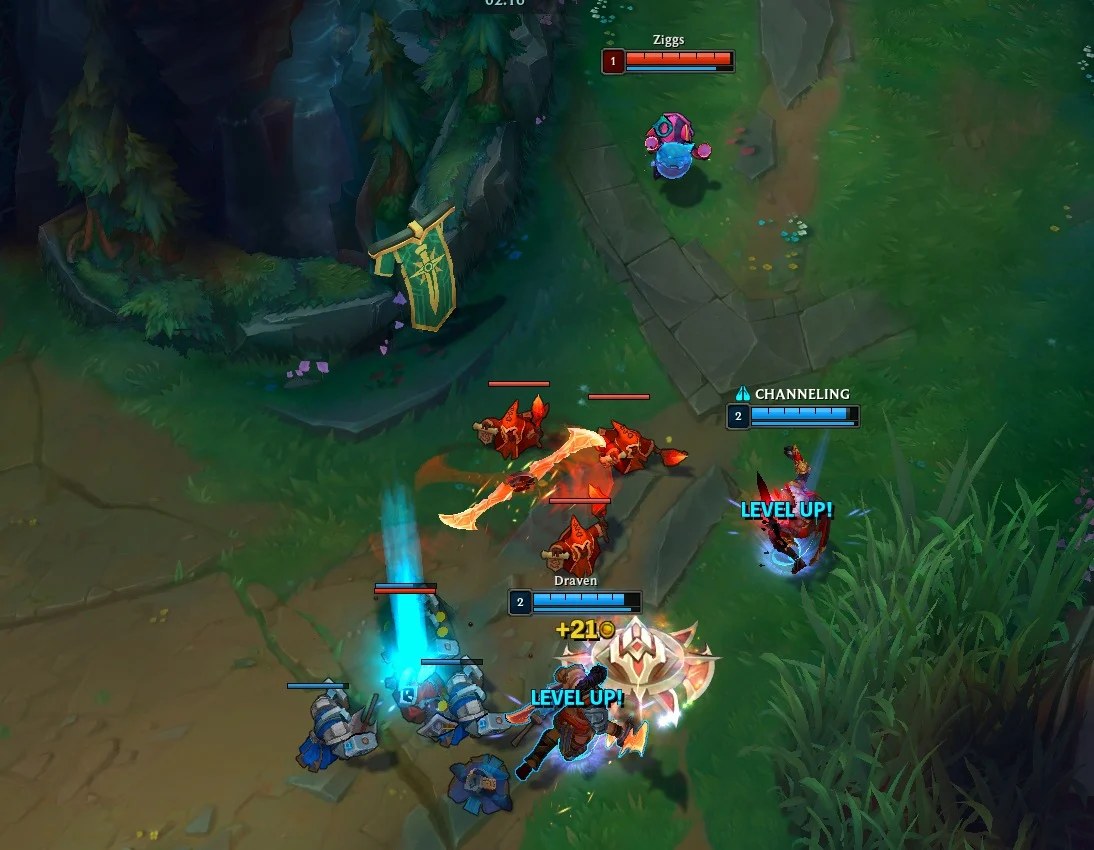
Don't go into a full kit. Bait it out by stepping forward like you want to trade, or punish a last hit: when they walk up to CS a cannon minion, their position is locked into an attack animation. Once their escape, shield or Flash is down, go.
2. Lead with Crowd Control or Your Biggest Burst
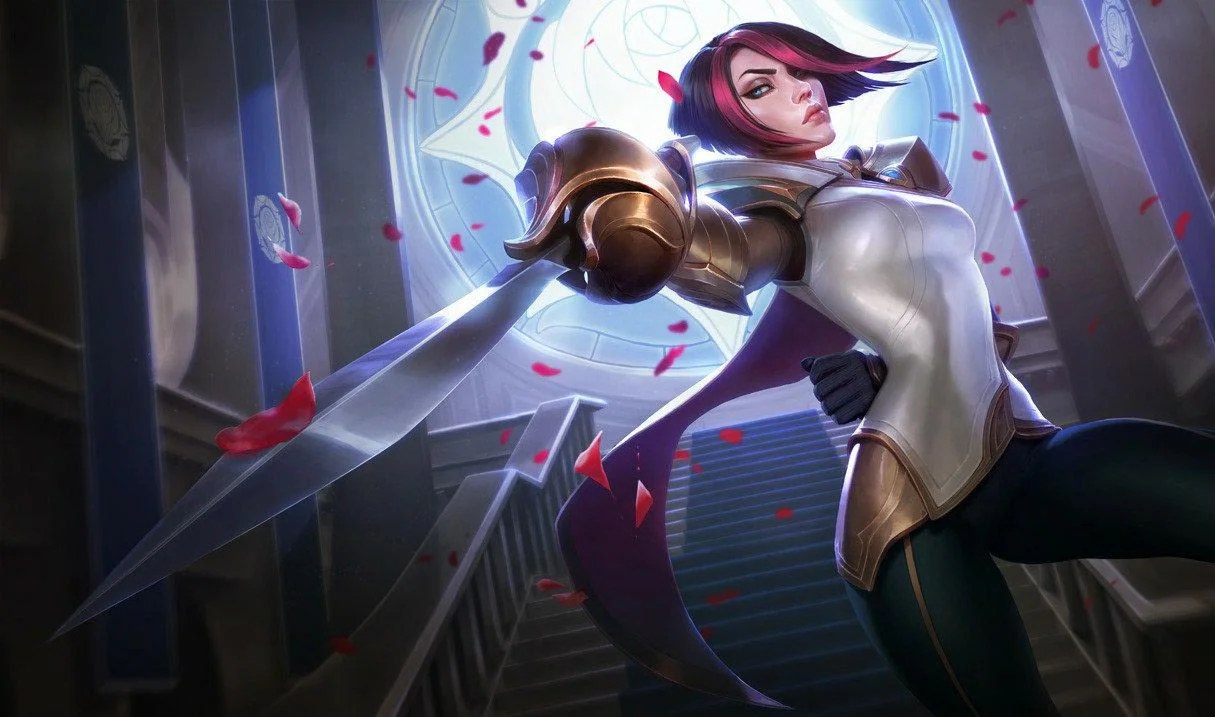
Open with crowd control so the rest of the combo lands. No CC? Lead with point-and-click abilities and your biggest burst, then throw skillshots once they're slowed. Champions like Riven and Fiora deal a lot of damage through autos woven between abilities, and skipping them is how a kill becomes "they lived on 40 HP".
3. Spend Summoner Spells at the Right Moment
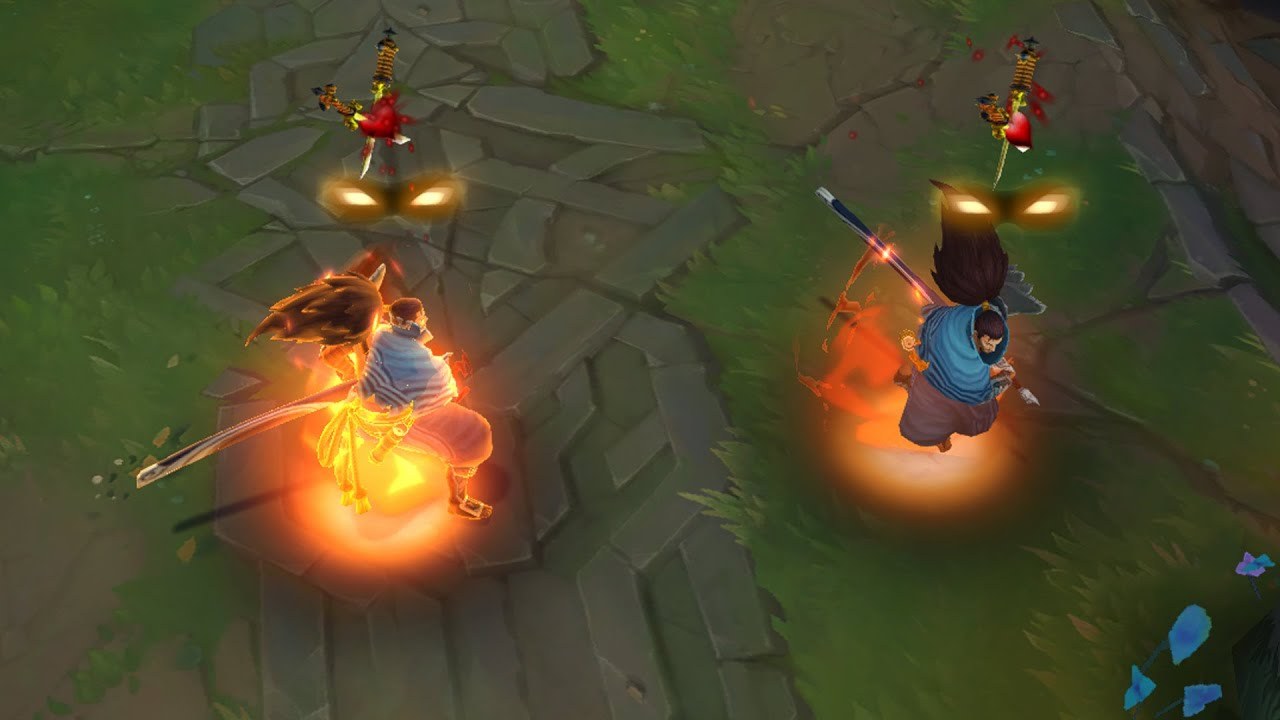
Ignite early against healers like Aatrox or Soraka, since it applies Grievous Wounds, or save it to finish your lane opponent. Flash forward only when the kill is certain. Otherwise hold it to dodge their key ability, because one dodged Morgana root wins more even plays than one extra auto. Exhaust goes on their burst.
4. Reassess After the First Rotation
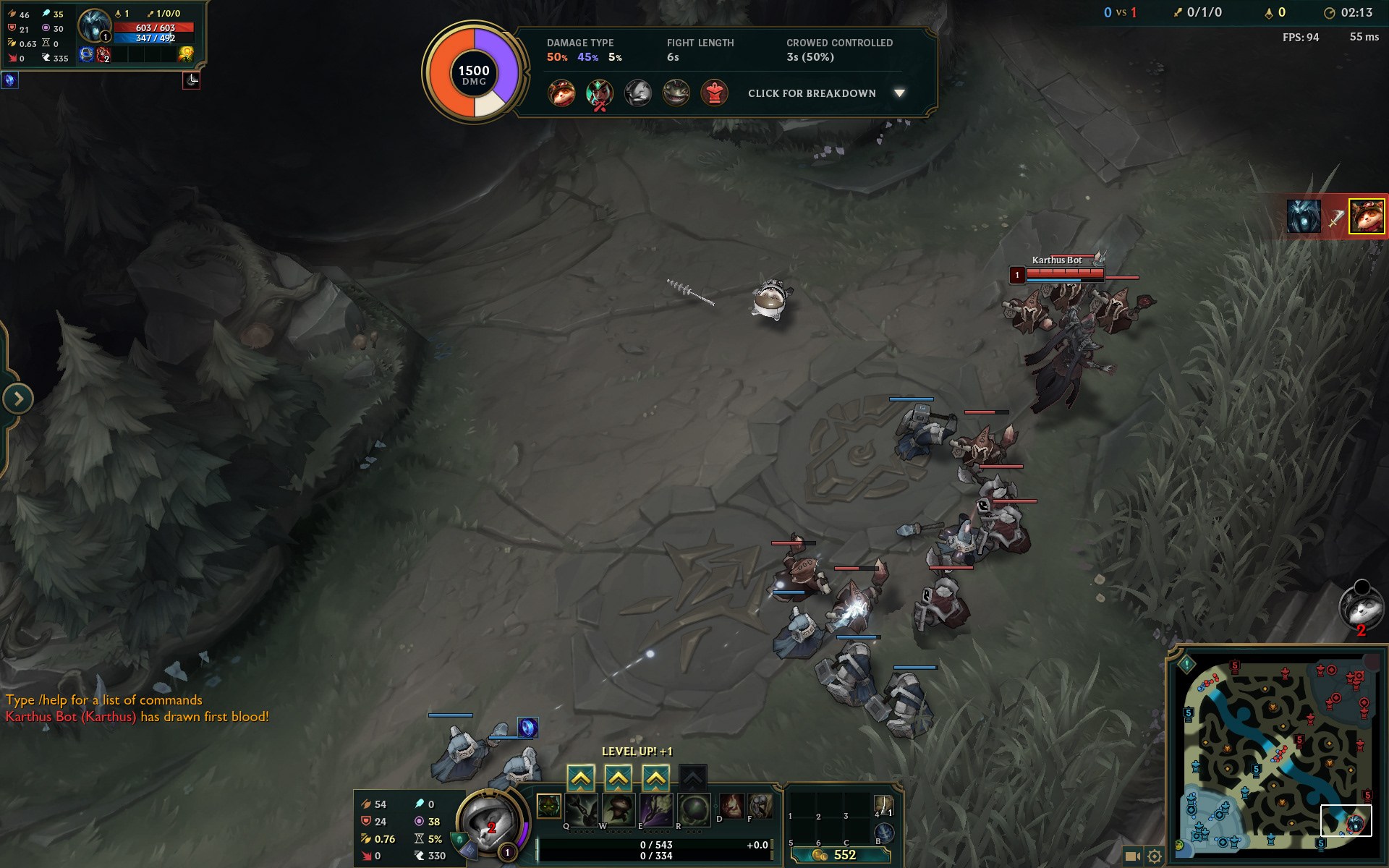
After the first rotation, compare HP bars and what each of you has left. If the kill needs a second rotation you don't have, walk out. Don't chase into fog or under turret. Low elo players skip this step, commit to the idea of the kill, and give the enemy jungler one of their own.
Play for Ganks and Dives with Your Jungler
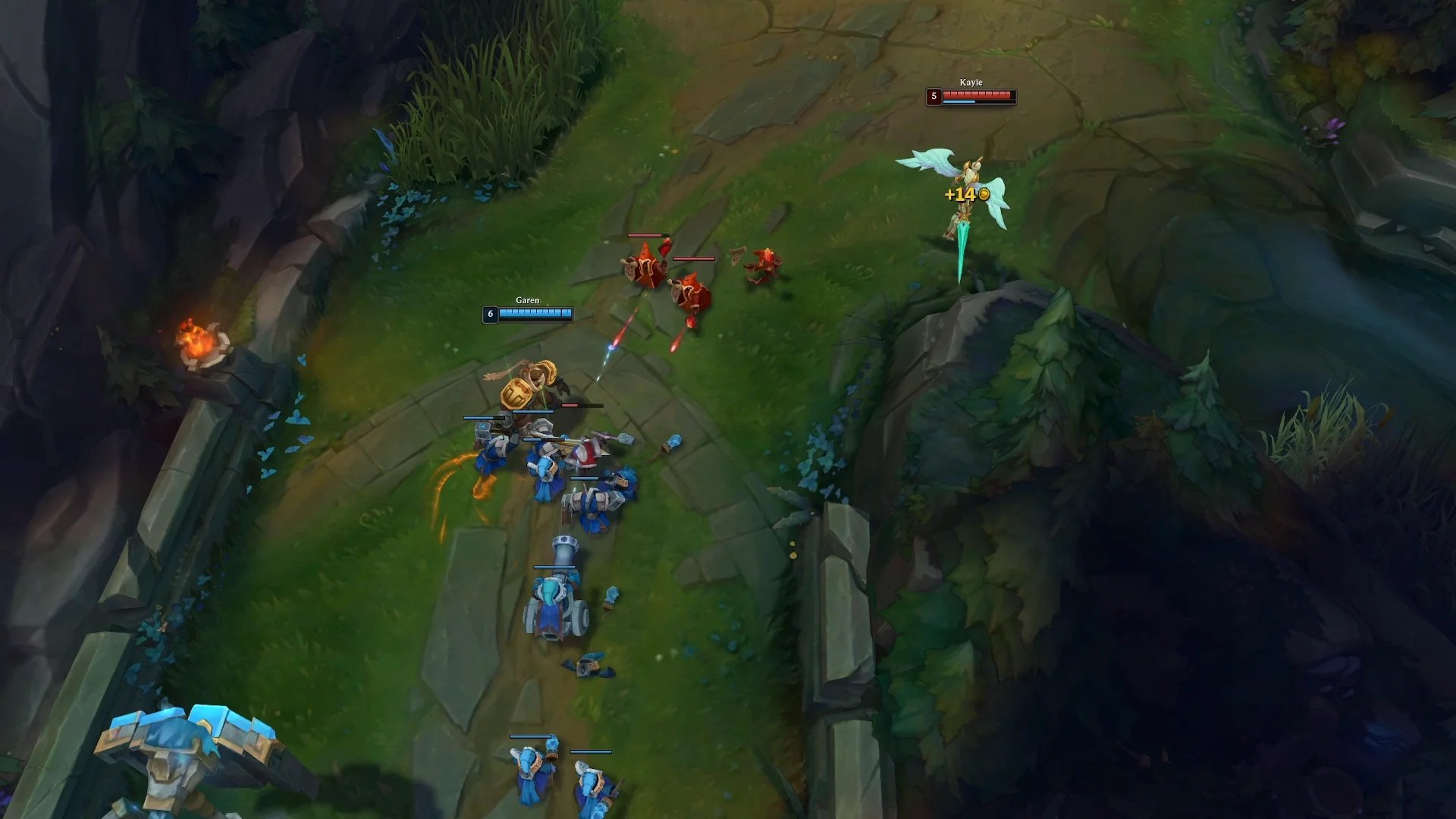
The easiest all-in is a 2v1, and your jungler is the best Ignite you'll ever have. Ping when your lane opponent's Flash is down, because a good jungler reads that as an invitation. Then shape the lane for the gank with a freeze near your own turret or a slow push.
Some junglers turn ganks into instant 2v2 all-ins. A jungler like Lee Sin can kick your opponent into you, Jarvan IV knocks them up with flag and drag, and Kayn walks through walls from angles no ward covers. When they're ganking, follow the engage instantly.
Then there's fighting under their turret. If a turret isn't already shooting a champion and you damage an enemy champion in its range, it switches to you and stays on you until you die or leave. So the tankier player hits first and soaks the shots while the second deals free damage. When the tank gets low, they step out of range and the second player takes the next shots. Go in only with your own wave under their turret, since minions soak shots between swaps.
Land it and you're sieging with a full wave, which is how you take turrets early.
How All-Ins Change in Top, Mid and Bot Lane
The checklist works everywhere on the Rift, but top and mid laners play duels, while bot lane is a tiny teamfight.
Top Lane All-Ins
Top is a long lane: more room for the enemy jungler to sneak up on you, but more time to finish a kill before their turret helps.
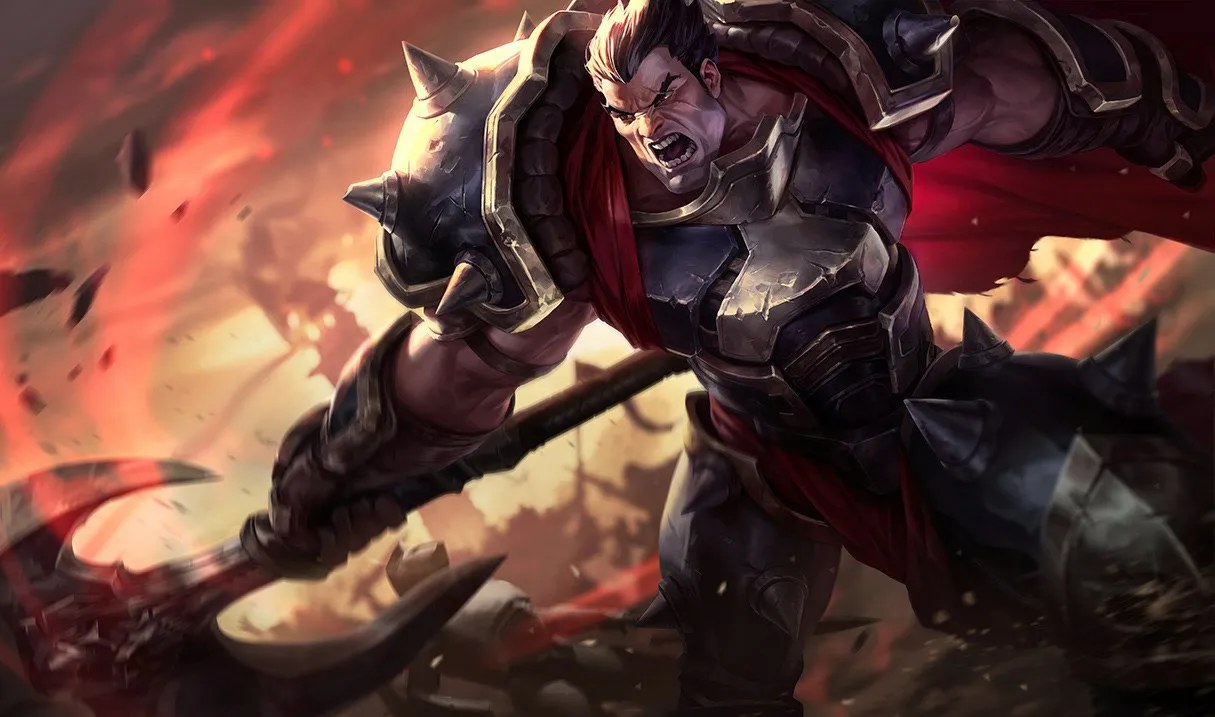
Melee vs ranged matchups shape it. Against Teemo or Quinn, a melee top laner survives to a level or item spike, then all-ins once they can stick. Level 3 bruisers like Darius and Sett often find first blood right there. Treat your health bar as a resource you can spend to set up the kill.
Track Teleport too. Top lane's 2026 role quest hands a free one to anyone not already running it, so check whether the player you just killed can come straight back.
Mid Lane All-Ins

Mid lane is short, and neither player is ever far from a turret, so most solo kills need Flash, Ignite or the jungler.
Burst mages like Syndra punish anyone who gives up wave priority in the first three waves, because a stun into a full combo kills from a scary distance.
Mid also opens all-ins around the map. With priority, a shove and a roam turn your lane lead into side lane kills.
Bot Lane All-Ins for ADC and Support

Bot lane is a 2v2 with four sets of cooldowns to track. The engage support starts the fight: Leona's Zenith Blade into Shield of Daybreak, or Nautilus's hook into his rooting auto. The ADC's job is to follow instantly.
Marksmen bring tools too. Ashe's autos and Volley slow, and Enchanted Crystal Arrow stuns from across the lane, so Ashe can start a botlane all-in herself.
Fragile enchanters like Sona lose level 2 all-ins, because a heal and a poke can't stop Leona walking at her. If you're a support main on an enchanter, refuse that fight. The level 2 race decides most bottom lane kills, so a good support player tracks it as closely as the ADC. If your duo keeps losing it, go over your lane starts with a high elo ADC coach.
Use the Kill to Win Lane, Not Just the Fight
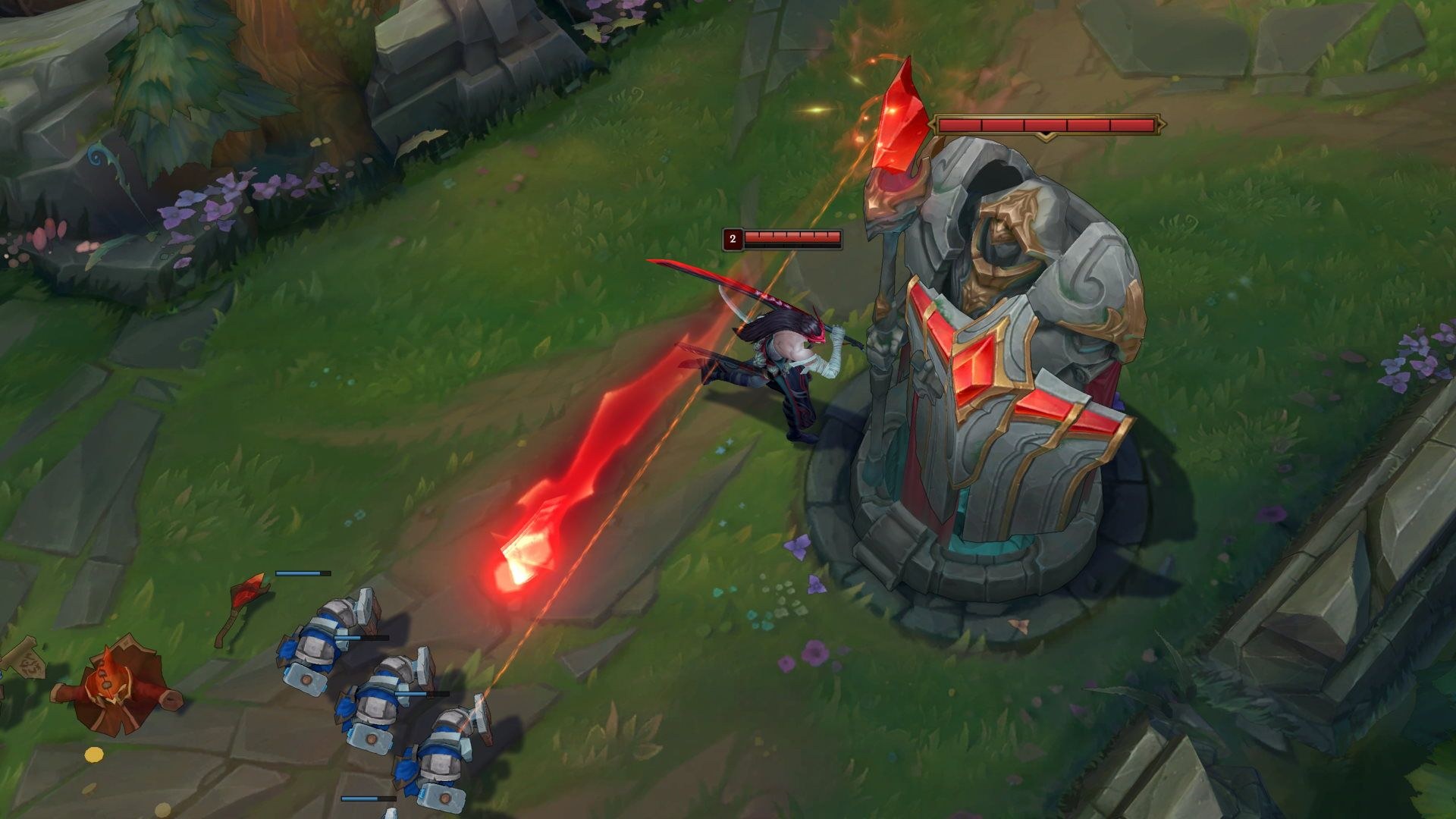
A kill wins nothing on its own. Shove the wave into their turret, then make one call: recall if your gold buys a component, or stay for plates. Plates no longer fall off at 14:00, inner and inhibitor turrets have them now, and each plate starts at 120 gold for the champions nearby (outer turret plates lose some of that value after 11:00), so a dead opponent is a free chance to take turrets piece by piece.
Then look for a neutral objective while you have the numbers. Voidgrubs spawn at 8:00 and give way to Rift Herald at 15:00, and dragon is the bot side option. Take Herald or grubs with your jungler while the enemy respawns.
The classic low elo move after a kill is staying in lane with that much gold unspent. It does nothing in your pocket while your shutdown bounty grows. Shove, back, spend.
Then roam. A shoved wave lets top and mid laners make a play around the map, which is how a lane lead becomes a mid game lead and then a late game win. Play towards the next objective, not the next kill.
Get Your All-Ins Reviewed by a High Elo Coach
Save your ranked replays for a week, clip every all-in you took, won or lost, and tag each one with the checklist item that decided it: kill damage, cooldowns, jungler, level or wave. Most players find the same one or two reasons over and over.
Even rank 1 players review deaths this way, because how you choose fights is the hardest thing to see in your own gameplay.
That's what LoL Coaching's high-elo and pro coaches are for. Get your laning VODs reviewed by a Challenger coach and they'll spot the kills you should have taken, and the ones you shouldn't. It'll help you improve faster than any LoL guide, this one included.
Frequently Asked Questions
When Should You All-in in League of Legends?
When three checks all come back yes: your full rotation plus autos kills, their escape or Flash is down, and you know where their jungler is. The best windows are a level or item spike they don't have yet and a crashed slow push that fills their side of the lane with your minions.
What Level Is Best for an All-in?
Level 2, if you win the race to it, because you have two abilities against their one. Level 3 is the spike for champions who need all three basic abilities for their combo, and level 6 decides assassin matchups: Zed and Talon can't kill a healthy target before their ultimate.
How Many CS Is One Kill Worth?
A champion kill early in the game pays 300 gold before bounty adjustments, plus 100 bonus gold for first blood. A melee minion is worth 20 gold and a caster 14, so one kill equals 15 melee minions, about 21 casters, or roughly 18 CS from a normal mixed wave. Riot tweaks these values, so check them on the current patch.