
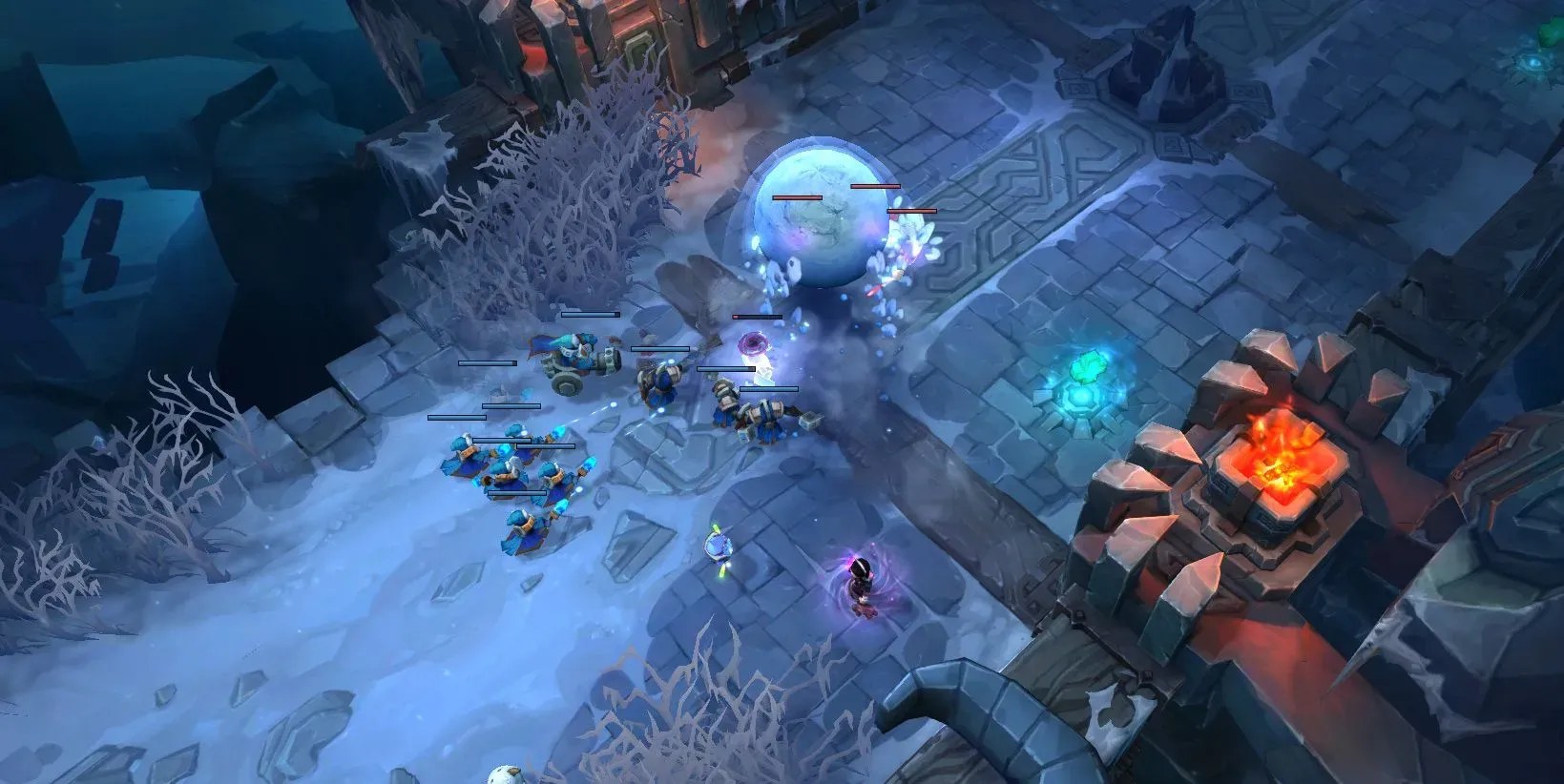
La tua squadra ha scelto tre ADC, nessun giocatore in prima linea, e qualcuno ha digitato “ff15” prima ancora che si aprissero i cancelli della base. Puoi comunque vincere quella partita. I giocatori che ci riescono costantemente non sono quelli che hanno scelto i campioni migliori, ma quelli che prendono correttamente cinque decisioni ripetibili.
L'ARAM è casuale. La tua percentuale di vittorie in ARAM non lo è. Molte guide su come giocare a ARAM per scalare la classifica descrivono ancora oggi dei reroll che non esistono più. Questa guida è stata scritta in base alla patch 26.16.
Cosa determina davvero la vittoria nelle partite ARAM
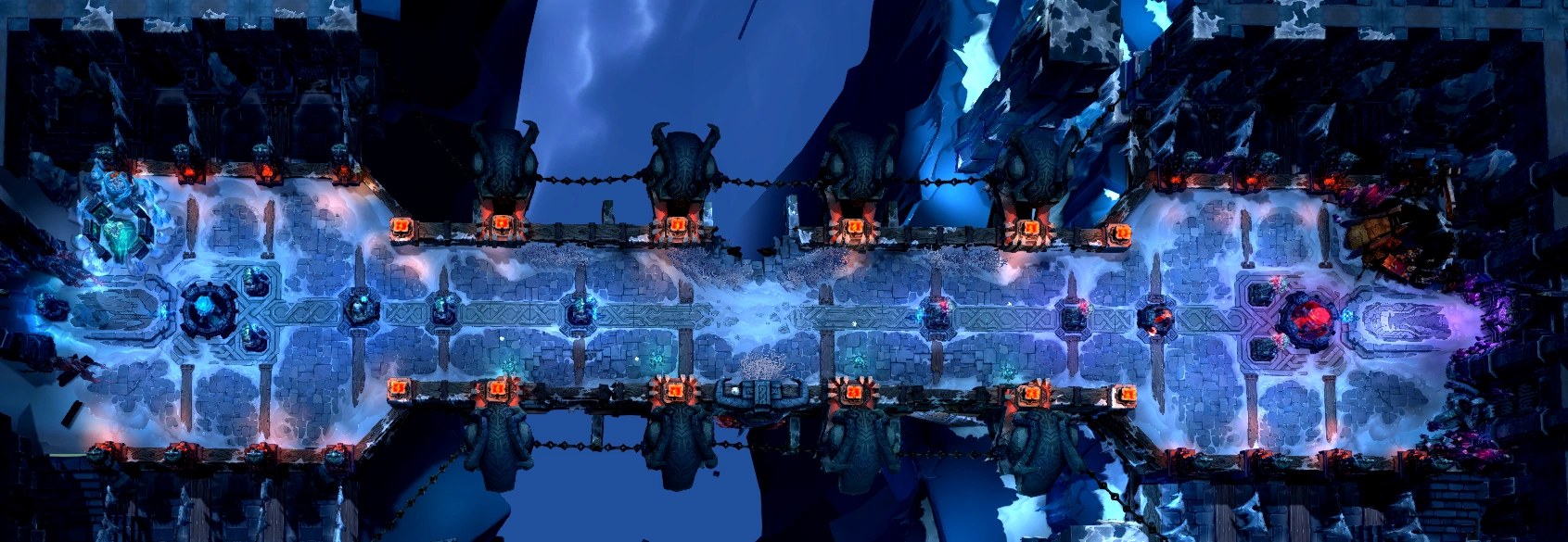
L’Abisso Ululante è una sola corsia. Ogni squadra ha una torretta esterna, una torretta inibitrice, un inibitore, due torrette del Nexus e un Nexus, e la modalità ora ruota tra l’Abisso, il Ponte del Macellaio e l’Attraversamento di Koeshin.
Nessun "recall". Nessuna cura alla fontana. Il negozio si blocca nel momento in cui lasci la piattaforma e riapre solo quando muori, quindi i cimeli di salute sono l’unico mezzo di sostentamento gratuito sulla mappa. Tutti iniziano al livello 3 con 1.400 oro, e l’oro passivo inizia all’1:00 a un ritmo di 60 ogni 10 secondi.
Rimane una sola condizione di vittoria: danni alle torri, poi danni al Nexus. Le uccisioni sono una valuta che non permette di acquistare nulla a meno che non la si spenda sulla base nemica nei successivi 15 secondi. Quindi sostituite il KDA con un tabellone dei punteggi diverso: HP delle torri nemiche, chi è morto e da quanto tempo, e quando arriverà il prossimo raggio della reliquia.
Selezione dei campioni: sistema la composizione della squadra che ti è capitata
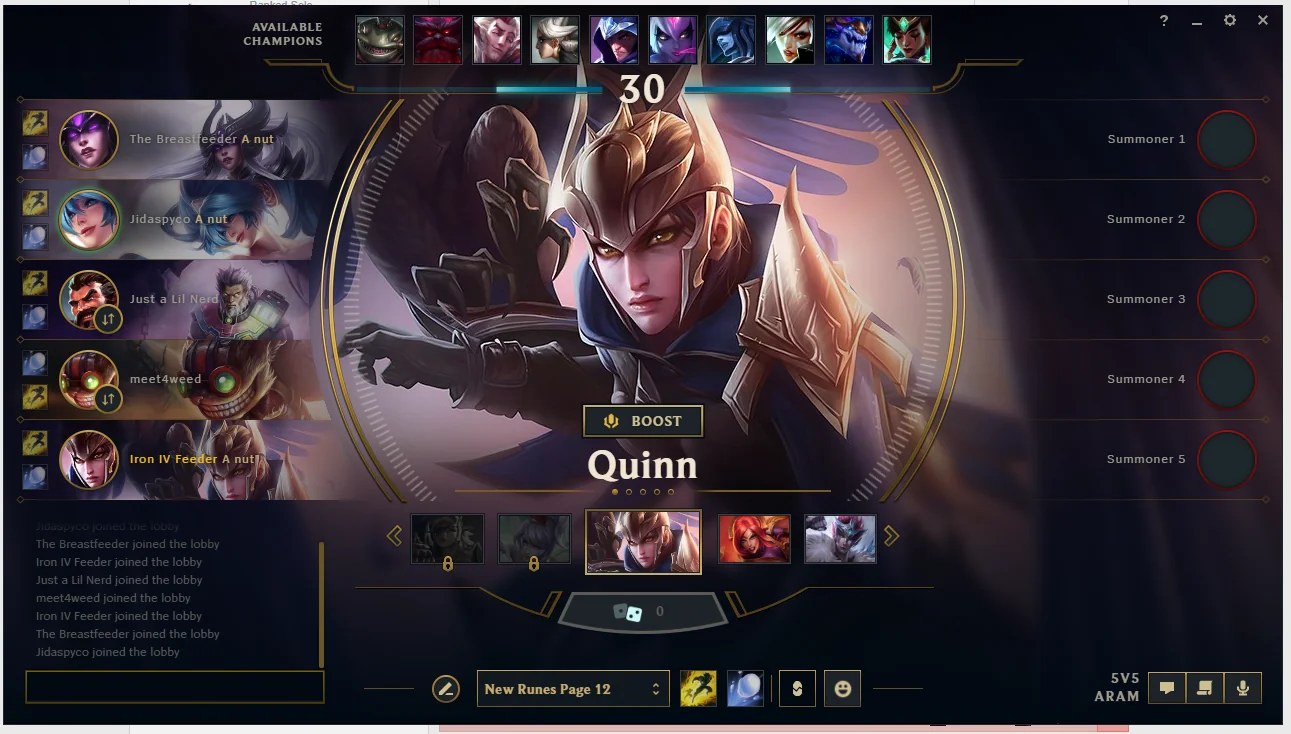
I "reroll" sono stati eliminati. La selezione dei campioni ti offre due carte campione casuali in una fase di rivelazione di 15 secondi, con una probabilità dal 5% al 30% di ottenerne una terza. Ne mantieni una, l’altra finisce nella panchina condivisa della tua squadra, che si sblocca per tutti tre secondi dopo.
Cinque giocatori mettono a disposizione ciascuno un campione in più, quindi puoi scegliere tra un massimo di sei campioni, non due. Esamina l’intera panchina, poi poni tre domande. Il nostro danno è tutto AP o tutto AD? C’è qualcuno in grado di stare in prima linea? C’è qualcuno in grado di iniziare o interrompere uno scontro?
La prima domanda si basa su dati concreti. Su 2,5 milioni di partite, ARAM Zone ha rilevato che le squadre con esattamente un tiratore vincono il 51,4%, con due il 50,2%, senza tiratori il 48,2% e con tre crollano al 46,3%.
Quando scambiare il tuo campione
Cambia per colmare una lacuna, non per potenziare te stesso. Cambia quando la tua squadra non ha alcuna minaccia AP, quando nessuno può assorbire un gancio o quando sei il quarto tiratore.
Non cambiare quando sei l’unico campione a distanza in una squadra di mischia, o l’unico in prima linea. E non abbandonare mai un campione con cui hai giocato 200 partite per una scelta OP che non hai mai provato: un campione di livello F che conosci bene i tempi di ricarica batte una scelta di livello S mai giocata.
Controlla i tuoi modificatori di bilanciamento ARAM
Molti campioni hanno modificatori specifici per l’ARAM relativi a danno inflitto, danno subito, cure, scudi, tenacia e velocità delle abilità. Vengono visualizzati nella selezione dei campioni, cambiano con la maggior parte delle patch e di solito vanno dal 5% al 20%. La patch 26.16 ha portato Locke al 105% di danno inflitto, al 95% di danno subito e a 20 di tenacia in Mayhem.
Leggili come istruzioni. A un campione con il 90% di danni subiti viene detto di avanzare per primo e incassare i colpi, per quanto fragile tu possa ritenerlo. Uno con l’80% di danni inflitti dovrebbe giocare puntando sull’utilità e sui danni alle strutture.
Attacchi a distanza, immersioni o prima linea? Gioca in base alla composizione che hai
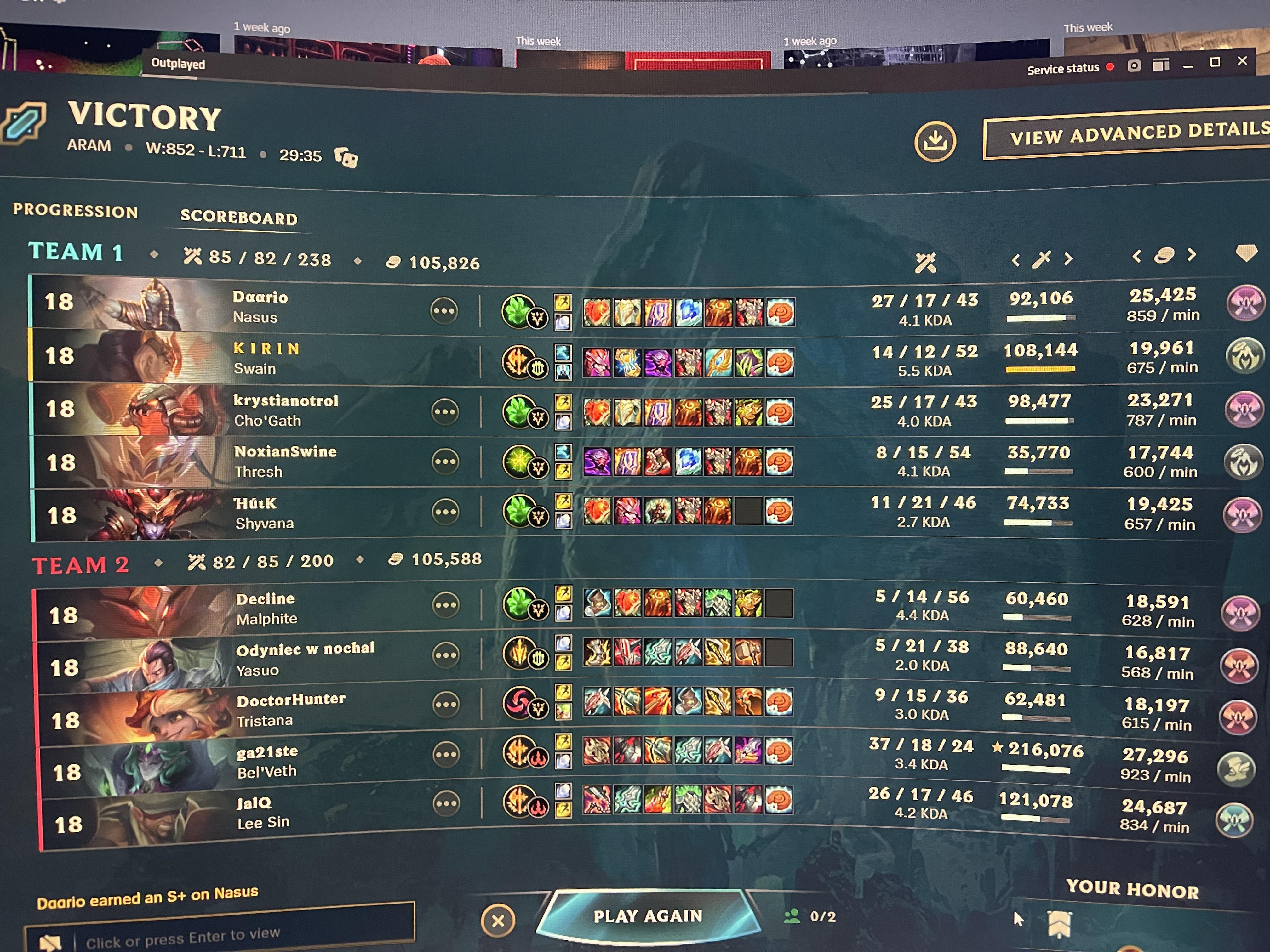
Non puoi risolvere una brutta distribuzione dei personaggi solo con la scelta iniziale. Capisci quale delle tre composizioni ti è capitata, poi attacca ciò che manca alla squadra avversaria.
Composizioni da poke: vinci prima che inizi lo scontro
Le composizioni a distanza e di artiglieria non vincono gli scontri di squadra, li rendono superflui. Ogni barra di salute che intacchi ti regala secondi gratuiti sulla loro torretta, perché cinque persone al 60% di HP non possono contrastare un’ondata.
Rimanete al limite della vostra gittata massima, non al limite della vostra zona di comfort, e tenete d'occhio il mana, perché un mago che spara poke a raffica a mana zero è un semplice minion. Il modo in cui si fallisce non cambia mai: un solo gancio, e otto minuti di lavoro vanno in fumo in tre secondi.
Composizioni "dive": tutti e cinque o nessuno
Bruiser e assassini in mischia? Il tempo gioca a vostro sfavore, perché le composizioni basate sui colpi a distanza diventano più forti con gli oggetti, mentre voi no. Forzate lo scontro fin dall’inizio.
Attaccate dai cespugli laterali allo stretto, mai al centro dove tre colpi di precisione sono già in volo. Concatenate i vostri CC invece di accumularli, e usate Esaurimento sul campione che sta per eliminare il vostro carry, non sul tank che stavate già battendo.
Ciò che uccide le composizioni in mischia è l’impegno sfalsato. Uno parte, due lo seguono in ritardo, e un 4v5 diventa un ace. Contate i compagni che si muovono con voi e aspettate se ne avanza solo uno. Il tempismo dell’attacco è profondamente allenabile, ed è proprio su questo che i nostri allenatori di supporto dedicano il tempo delle revisioni.
Composizioni con tank e scalabilità: sopravvivere fino al picco degli oggetti
Una prima linea composta interamente da tank con una formazione scalabile alle spalle non sta perdendo, sta aspettando. Nasus, Veigar e Cho’Gath ribaltano una partita con due o tre oggetti in un modo a cui nessuna formazione poke può rispondere, e Kled è l’archetipo del bruiser ARAM perché la modalità impone combattimenti costanti che gli consentono di rimettersi in gioco.
Il prezzo da pagare è la salute delle torri, quindi pagatelo. Negate le reliquie, rifiutate gli scontri che non potete vincere e mantenete la posizione presso la torretta dell’inibitore, dove la vostra prima linea ottiene un corridoio invece di un ponte aperto. Non cedete mai l’inibitore, però, perché i super minion trasformano una partita a scalabilità lenta in un assedio.
Reliquie di portata, posizione e salute
La barra della salute più grande con il minor burst sta davanti. Tutti gli altri si fanno avanti solo quando il cooldown di un nemico chiave è terminato.
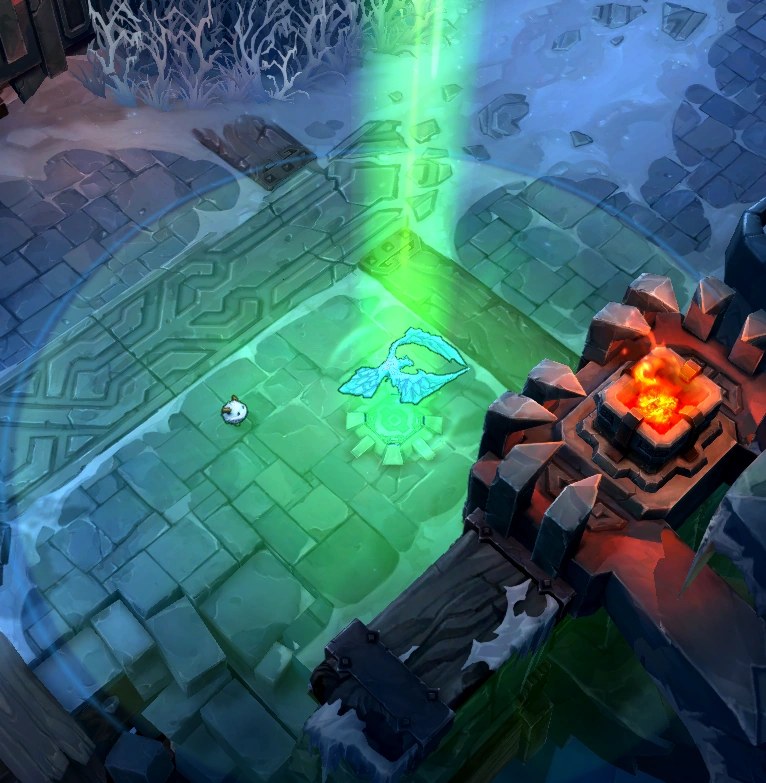
Le reliquie decidono l’esito di quella battaglia. Le reliquie esterne compaiono a 1:45, quelle interne a 2:30, ed entrambe ricompaiono 90 secondi dopo che il raggio le ha colpite. Chiunque ne afferri una ripristina l’8% della salute e del mana mancanti. Tutti entro 850 unità, compreso chi la raccoglie, ottengono un ulteriore 16%.
Quindi raccogliete le reliquie stando accanto alla vostra squadra, mai da soli durante il ritorno e mai a piena salute, perché l’8% di niente è niente. Segnalatela con un ping e lasciate che chi ha la barra della salute più bassa si avvicini. Quando voi siete in buona salute e loro no, negatela senza esitazione. È lo stesso problema di distanziamento che determina le vostre partite con l’ADC sulla Rift.
Timer di morte e finestre di rigenerazione
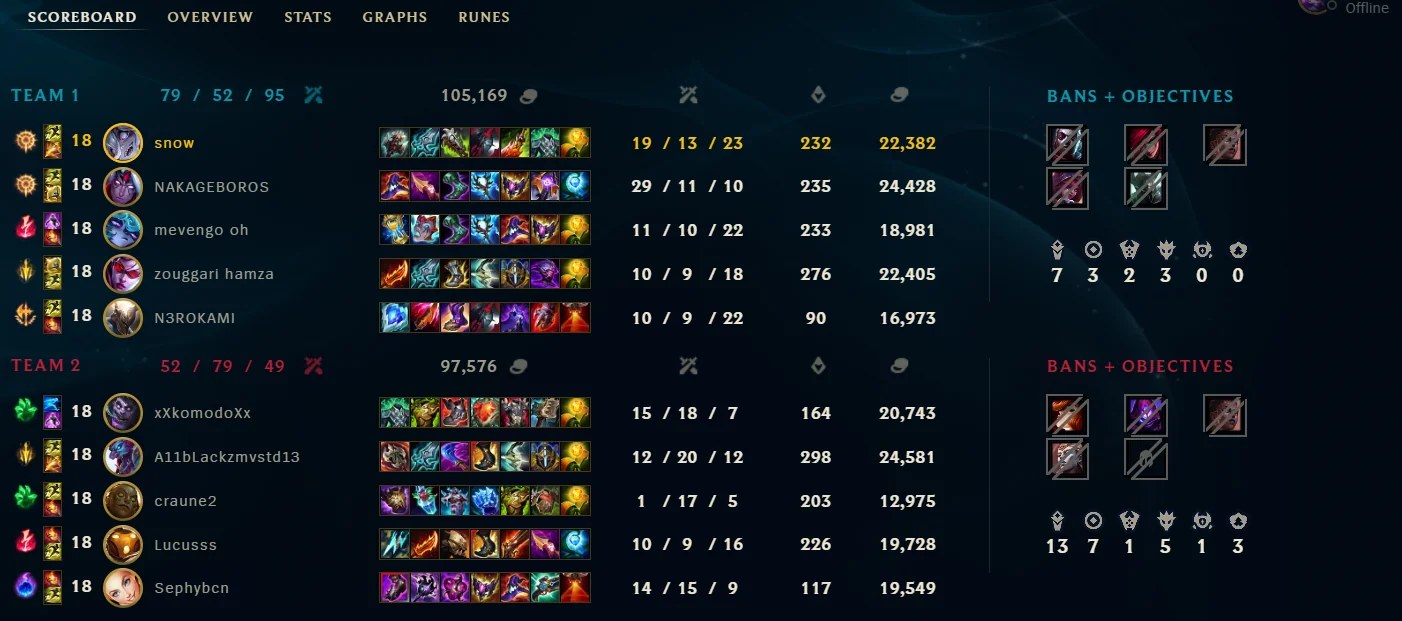
La morte in ARAM è un acquisto. È l’unico modo per aprire il negozio e azzerare HP e mana. Il tuo timer si basa esclusivamente sul livello, da circa 11 secondi al livello 3 a un massimo di 40 al livello 18, senza quel moltiplicatore del tempo di gioco che rende brutali le morti su Rift.
Quindi valutatela di conseguenza. Una morte è quasi gratuita quando la vostra squadra ha vinto lo scontro, avete accumulato oro per un oggetto importante e i compagni di squadra sono vivi per tenere la corsia. È costosa quando siete da soli, quando non avete inflitto alcun danno o quando la vostra squadra rinasce tutta insieme. Superati i 20 minuti con i timer da 35 secondi, una sola morte in solitaria causata da disattenzione equivale a un inibitore.
Trasformare le uccisioni in danni alla torretta
È qui che i vantaggi in ARAM svaniscono. Li elimini tutti, tutti scrivono “gg”, poi cinque persone si fermano vicino all’ondata e colpiscono la torre due volte.
Ci sono tre occasioni in cui il danno alla torre è gratuito: dopo un ace con l’ondata già eliminata, subito dopo che hanno sprecato incantesimi di evocazione e ulti in uno scontro perso, e sotto la pressione dei super-minion. Tutte e tre dipendono dall’eliminazione dell’ondata, ed è per questo che quel tiratore scelto è così importante.
La difesa è lo specchio di tutto ciò. Se perdi un inibitore in un 4v5, resta dietro la torretta, lascia che i super-minion vi si avvicinino e elimina l’ondata dalla massima distanza. La resa si attiva alle 8:00 e richiede quattro voti su cinque, ed è giustificata solo quando la tua composizione non è fisicamente in grado di eliminare un’ondata.
Costruisci in base alla squadra avversaria
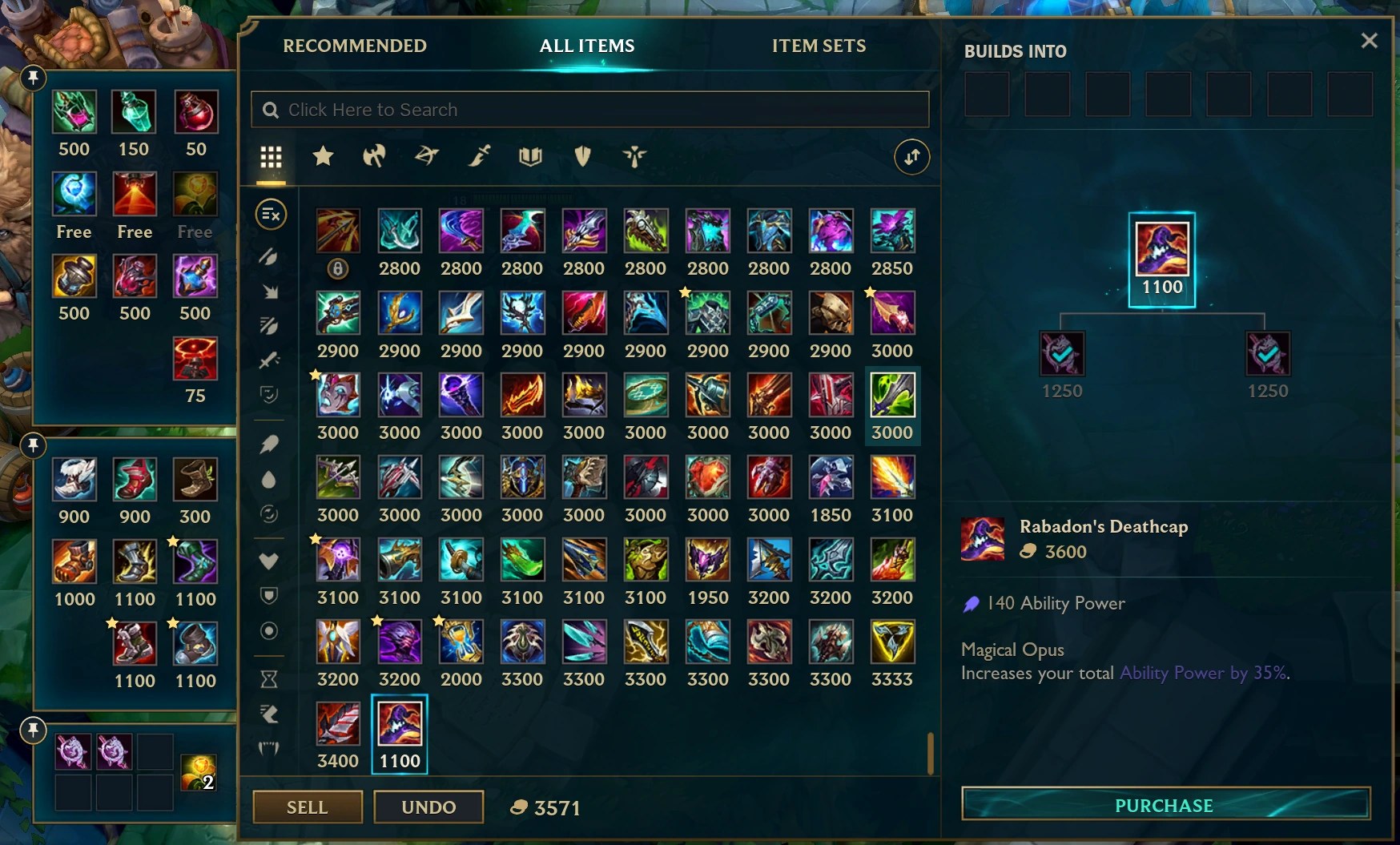
Con 1.400 d'oro iniziali e 60 d'oro ogni 10 secondi, una pagina di build predefinita ti sta costando le partite. Costruisci la build in base a ciò che ti ucciderà.
Gli oggetti del Guardiano sono la migliore scelta iniziale e puoi averne esattamente uno. Il Corno del Guardiano costa 950 e offre 150 punti salute, 20 di rigenerazione salute e una riduzione fissa di 15 danni contro gli attacchi e le abilità dei campioni. Il Globo del Guardiano costa lo stesso e offre 50 AP, 150 punti salute e rigenerazione mana. L’anti-guarigione è l’oggetto che i giocatori tralasciano e per cui poi perdono: la Chiamata del Boia e la Sfera dell’Oblio costano 800 ciascuna e riducono le cure del 40%.
Statistiche difensive e incantesimi dell’evocatore
Un oggetto di resistenza su un carry è solitamente la scelta giusta in questo caso, perché l’armatura o la resistenza magica più i punti salute garantiscono un danno totale maggiore rispetto a un terzo oggetto offensivo. Exhaust risponde a un assassino dal burst elevato, Heal e Barrier ribaltano gli scambi persi, mentre Mark consente un approccio dal cespuglio che Flash non può garantire.
ARAM Mayhem: come i potenziamenti cambiano la strategia
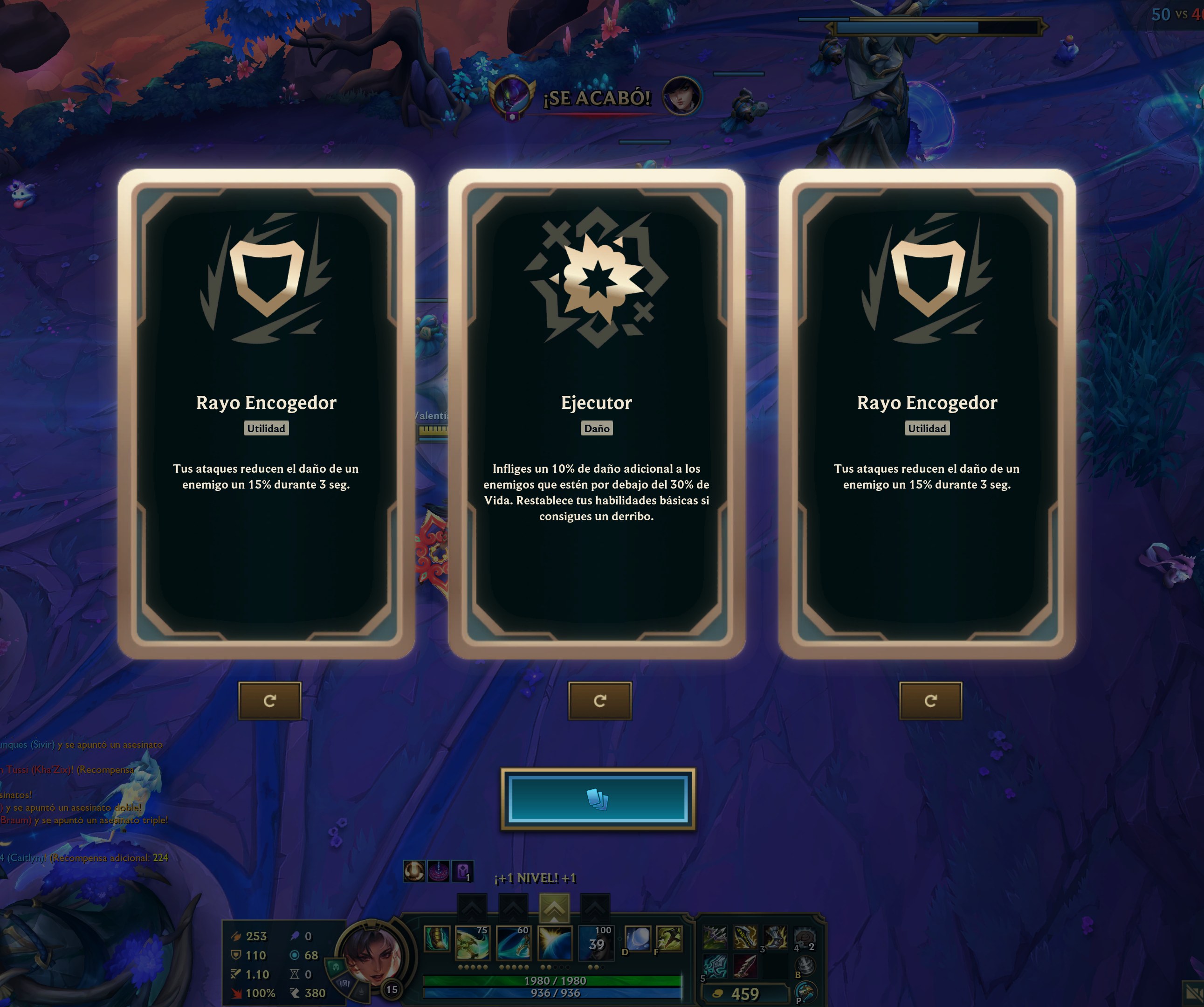
La modalità Mayhem ti assegna i potenziamenti ai livelli 3, 7, 11 e 15, tre per schermata nei livelli Argento, Oro e Prismatico, con un tentativo di riprova per ogni selezione.
Ecco cosa cambia le tue decisioni: la schermata di selezione appare solo mentre il negozio è aperto, ovvero quando sei morto o sulla piattaforma di rigenerazione. Se raggiungi il livello 7 nel bel mezzo di uno scontro, giocherai senza potenziamento fino alla tua morte. Morire subito dopo un aumento di livello qui non è un errore.
Exhaust è disabilitato, cinque incantesimi da evocatore esclusivi per questa modalità si aggiungono al pool e Combo Breaker ti purifica oltre a garantirti tre secondi di immunità al CC dopo che sei rimasto immobilizzato per 5 degli ultimi 7 secondi. Ecco perché gli attacchi in catena con CC devono effettivamente uccidere.
Trasformare le partite ARAM in un miglioramento nelle classifiche
Tre abilità dell’ARAM si trasferiscono direttamente nella Summoner’s Rift: la distribuzione in campo durante i teamfight, la schivata dei colpi a bersaglio sotto pressione reale e la conversione degli obiettivi, che è la stessa abitudine di prendere il Barone dopo un ace invece di inseguire l’ultima uccisione.
Esercitati su queste abilità in modo mirato. Dopo ogni sessione, rivedi uno scontro di squadra perso e rispondi a una domanda: dove mi trovavo quando è iniziato? Se desideri farlo sotto l’occhio esperto di qualcuno, i nostri allenatori conducono analisi dei VOD incentrate proprio su questo.
Domande frequenti
Quanto dura in media una partita ARAM?
La maggior parte delle partite ARAM termina tra i 15 e i 20 minuti, circa la metà di una partita classificata. L’oro viene guadagnato al ritmo di 60 ogni 10 secondi e il timer di morte ha un limite massimo di 40 secondi invece dei 78 che può costare una morte nella fase avanzata di Rift. Le partite inferiori ai 7 minuti non assegnano XP né progressi nelle missioni.
L’ARAM è il modo più veloce per far salire di livello il proprio account?
Non per singola partita. L’XP dell’account varia in base alla durata della partita, con circa 5,8 di base più 6,6 al minuto in caso di vittoria, quindi una vittoria nella Landa di 30 minuti frutta più di una partita ARAM di 17 minuti. Per ora di gioco il risultato è quasi pari, dato che l’ARAM ha tempi di attesa più brevi e termina prima.
Come si ottiene il titolo "ARAM God"?
Servono circa 1.850 punti nella categoria delle sfide ARAM, il che significa raggiungere il livello Diamante o Maestro nella maggior parte delle sfide specifiche per ARAM, piuttosto che limitarsi ad accumulare vittorie. Si tratta di oltre 1.000 partite per quasi tutti coloro che possiedono questo titolo, e le sfide premiano l’utilizzo vario dei campioni, quindi giocare sempre lo stesso campione preferito ti impedirà di raggiungere l’obiettivo.
Quali incantesimi dell’evocatore si possono scegliere in ARAM Mayhem?
Exhaust è completamente disabilitato. Oltre alle opzioni standard, Mayhem aggiunge cinque incantesimi esclusivi: Droppybara, Growth Spurt, Poltergeist, Poro Charge e When the Darkness Comes. Flash rimane disponibile ed è l’impostazione predefinita corretta per quasi tutti i campioni. Diversi potenziamenti sostituiscono o modificano anche il tuo secondo incantesimo.