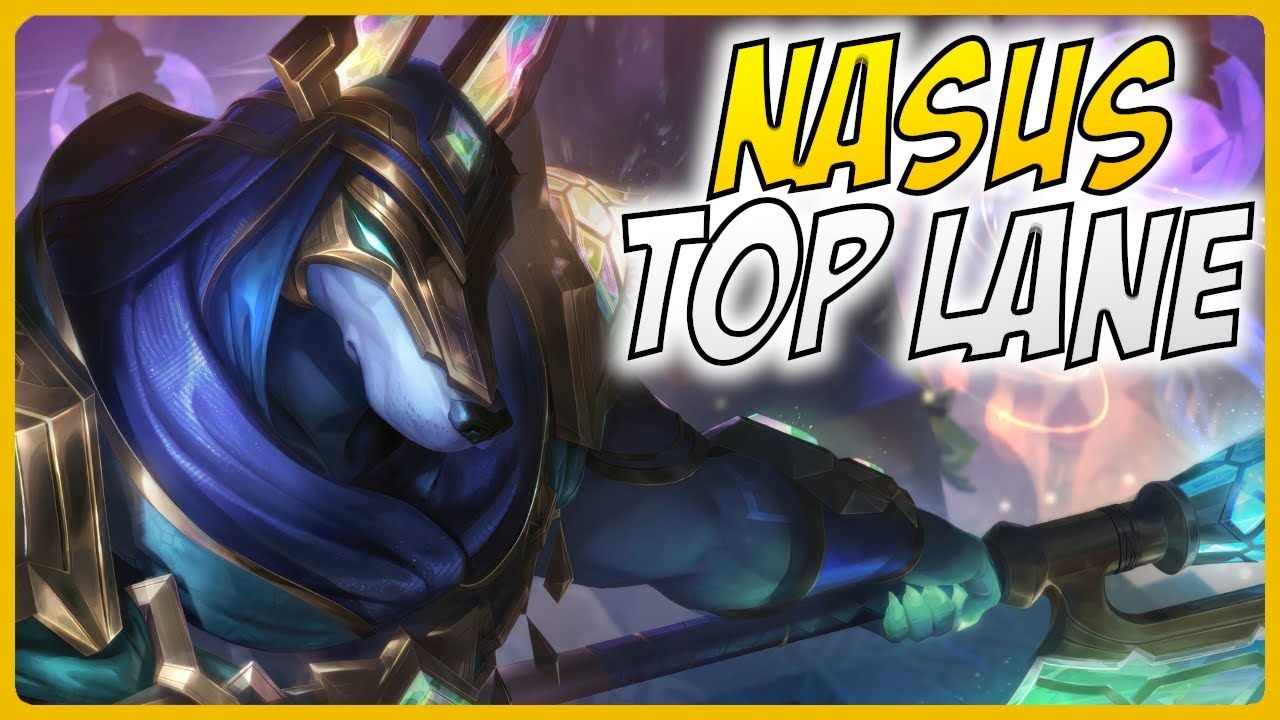
Nasus è tra i primi nella classifica della corsia superiore della patch 26.16 con una percentuale di vittorie superiore al 54%, e la sua strategia di gioco consiste semplicemente nel colpire i minion con la Q e avvicinarsi agli avversari. Questo ti fa capire cosa conta davvero in quel ruolo.
La corsia superiore è la lunga corsia in solitaria sul lato più lontano della Summoner’s Rift, la più distante dal Drago e la più vicina ai Void Grubs, al Rift Herald e al Barone.
La corsia superiore è la cosa più vicina a un vero 1v1 che il matchmaking di League of Legends offre, ed è la corsia in cui un solo errore costa di più, perché la tua squadra è a trenta secondi di distanza e il jungler nemico no.
Ecco il piano completo, dalla selezione dei campioni alla corsia laterale nel late-game, con tutti i dati aggiornati alla mappa del 2026.
Cosa fa davvero un toplaner nella corsia solitaria
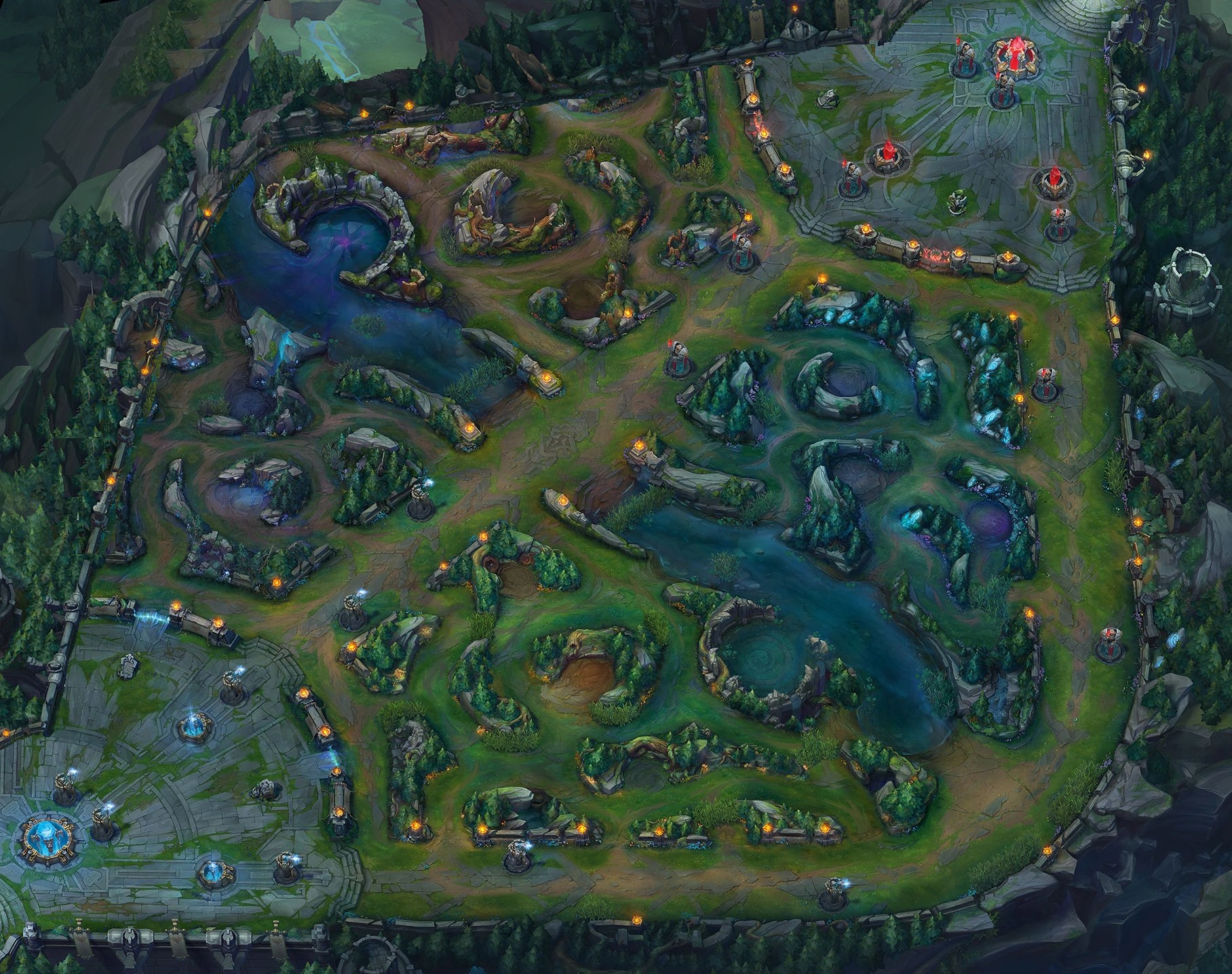
Il ruolo della corsia superiore è definito dalla geografia: un solo ingresso al fiume invece di due, la corsia più lunga della mappa e gli obiettivi che si trovano nella tua metà di essa.
I Void Grubs alle 8:00, il Rift Herald alle 15:00 e il Barone alle 20:00 dal rework del 2026. L’influenza all’inizio è bassa perché aiutare al Drago costa due ondate e una piastra. L’influenza a metà partita è forte perché tutto ciò per cui vale la pena combattere più avanti avviene proprio dove ti trovi già.
La corsia superiore è considerata uno dei ruoli più difficili in League of Legends, e il motivo non sta nelle meccaniche. La corsia centrale ha una corsia corta e due ingressi al fiume, quindi se perdi la corsia puoi sempre andare in roaming. Invece, se perdi la corsia superiore, sei lì da solo, con una sola via d’uscita. Per questo la corsia superiore sembra ingiusta.
Le tue tre condizioni di vittoria: split push, prima linea, aggiramento
Ci sono tre modi in cui un toplaner vince una partita, e nessuno di questi è “fare kill”.
Split push. Prendi le torri in una corsia laterale e costringi la squadra avversaria a mandare rinforzi. Un nemico è uno scontro che vinci; due sono un 4v3 da qualche altra parte.
Prima linea. Inizia lo scontro e assorbine il peso. Il tuo compito è creare spazio, non infliggere danni.
Fiancheggiamento. Arriva da un’angolazione che nessuno controlla e raggiungi la retroguardia che la tua squadra non riesce a toccare.
Scegline uno nella selezione dei campioni e gioca in base a quello: fare pressione con un’ondata concentrata è meglio che andare a caccia di kills.
Scegliere un campione per la corsia superiore che puoi selezionare alla cieca
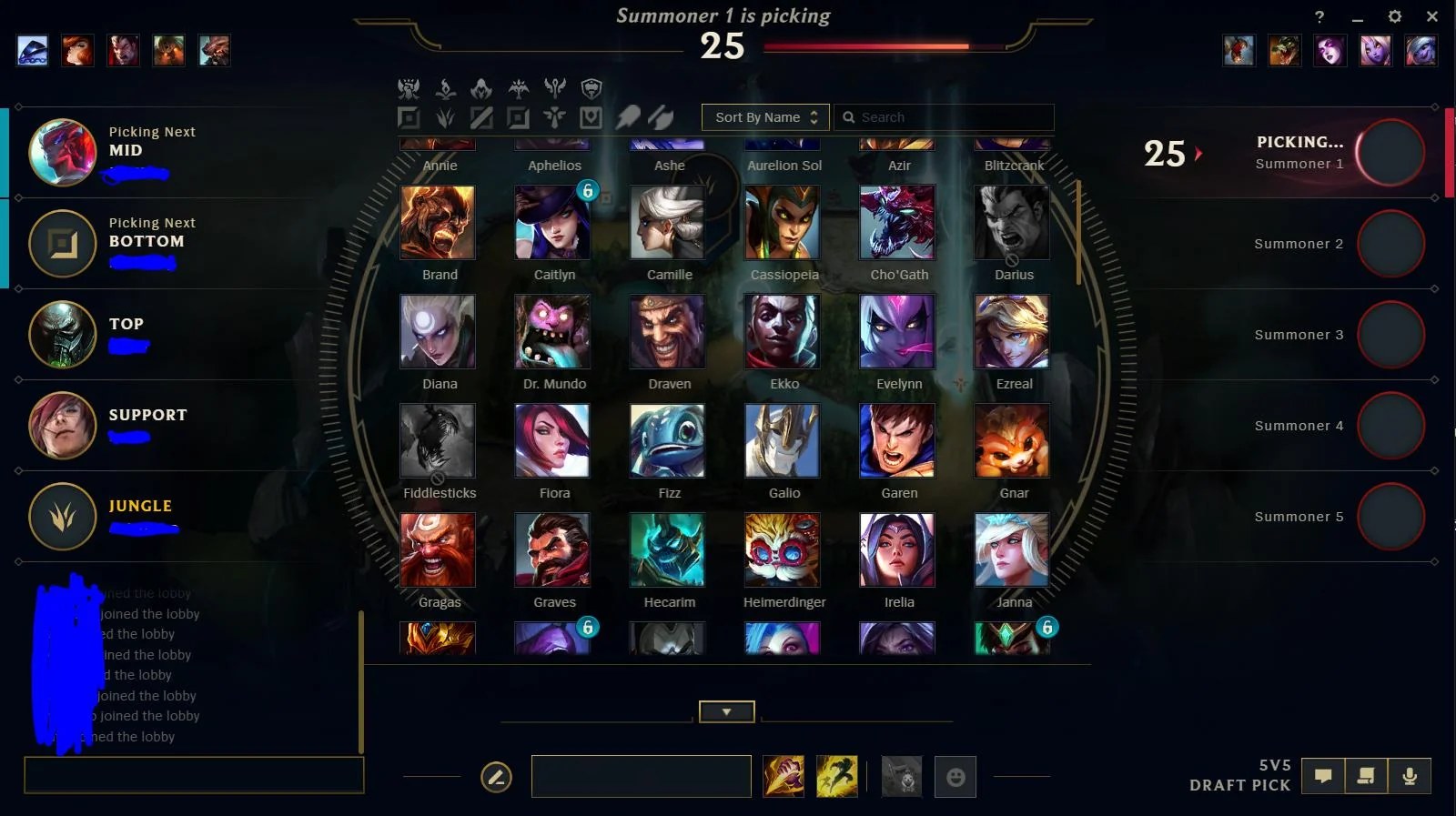
La corsia superiore subisce più counter pick di qualsiasi altro ruolo perché qui i matchup sono più decisivi.
Quindi la tua scelta deve sopravvivere a una counter pick. Non vincerla. Sopravviverle. Dopodiché, la scelta va a colmare le lacune della tua squadra.
Archetipo | Esempi di scelte | Schema di scambio | Obiettivo in corsia | Win condition after the lane phase |
|---|---|---|---|---|
Juggernaut | Darius, Garen, Sett, Nasus | Scambi lunghi, avanza | Indeboliscili, poi vai all-in | Prima linea: avvicinati alla minaccia più vicina |
Tank / avanguardia | Malphite, Sion, Ornn, Shen | Pokes brevi automatici con passo indietro | Eguaglia l'XP, tieni a bada l'ondata | Attacca e difendi il punto di strozzatura |
Diver | Renekton, Camille, Irelia, Kled | Scambi rapidi durante il cooldown | Vinci i livelli 2 e 6, prendi le piastre | Attacca la retroguardia dai fianchi |
Schermagliatore / duellante | Fiora, Jax, Tryndamere, Gwen | Combattimenti prolungati grazie alla tua abilità chiave | Raggiungi il livello 6 con un CS pari | Fai split push, vinci ogni 1v1 |
Crea un pool di tre campioni prima di cercare gli matchup
Tre campioni bastano. La scelta alla cieca si blocca per prima senza esitare perché il suo matchup peggiore è fastidioso piuttosto che perdente (Garen, Sett, Ornn). La scelta punitiva va fatta contro avversari fragili o poco mobili (Fiora, Camille, Renekton). La scelta per i teamfight risponde a una selezione con quattro carry e nessun engage (Malphite, Sion, Shen).
Dal punto di vista dell’allenatore nella selezione dei campioni, la logica parte dalla prima scelta dell’avversario. Se loro bloccano un tank, tu prendi la scelta punitiva, perché i tank perdono la corsia contro i duellanti. Se bloccano un bullo come Renekton, tu prendi la scelta alla cieca e scali. Sotto il livello Diamante, una scelta one-trick batte sempre una scelta meta che non conosci.
Scelte adatte ai principianti e perché funzionano
Garen e Sett ti insegnano a scambiare colpi da vero colosso senza quasi nessuna penalità per un tempismo sbagliato, dato che la Q di Garen silenzia e la W di Sett trasforma il danno subito in uno scudo. Sion e Malphite ti insegnano il ruolo in prima linea, perché entrambi raggiungono il livello 6 con un’ultimate che avvia lo scontro e non richiede combo. Jax e Tryndamere ti insegnano la strategia dello split push.
Campioni come Teemo sono un’altra storia. I bulli a distanza non sono facili; rappresentano una corsia a sé stante: ti impediscono di prendere CS da fuori dalla portata del corpo a corpo, non puoi difenderti da un dive e la tua torretta è la tua unica via di fuga.
Incantesimi dell’evocatore e rune
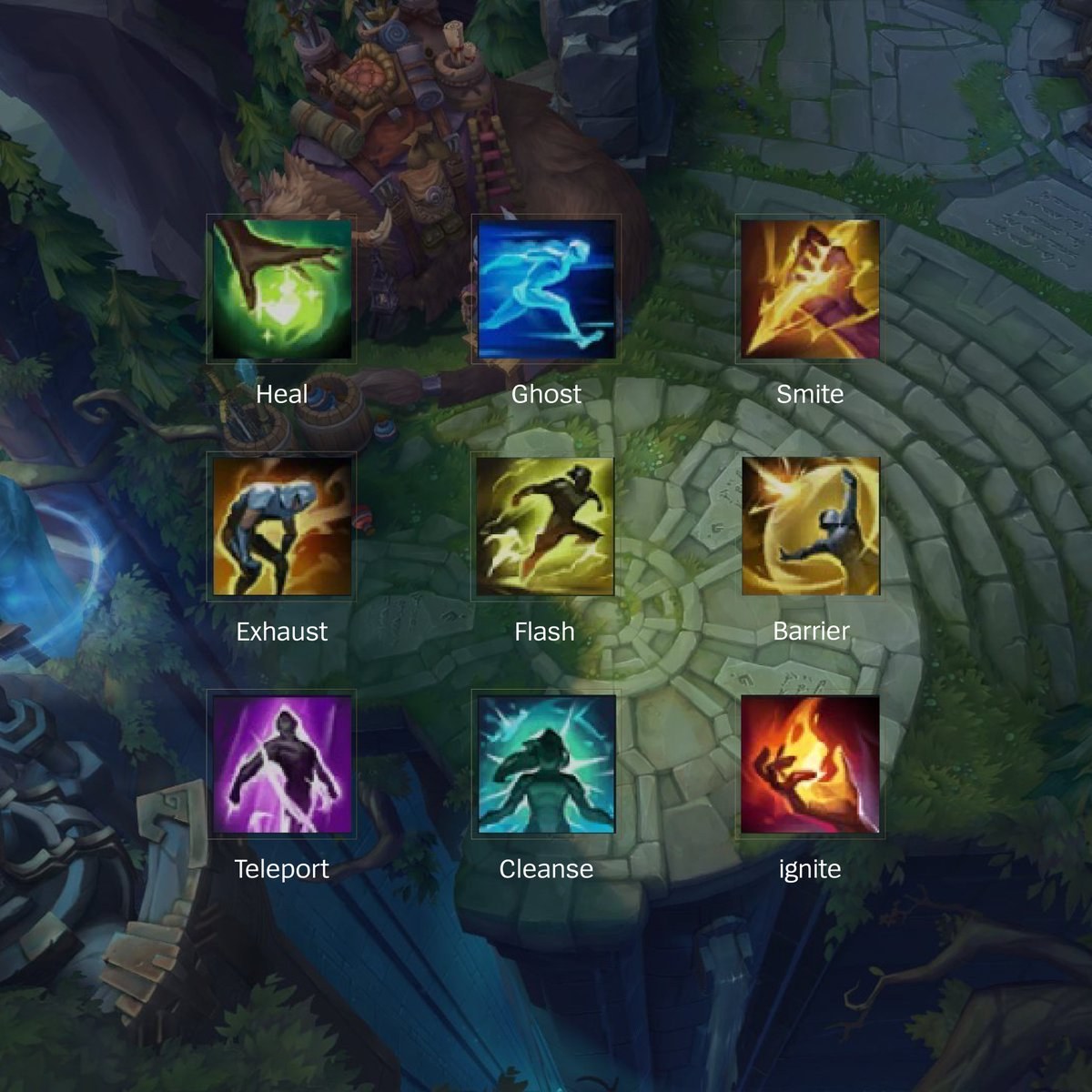
Flash è fisso. Il secondo slot è la vera scelta, e il 2026 ha cambiato i conti.
Teleport è una questione di tempismo. Un richiamo sbagliato diventa azzeccato, e uno scontro dall’altra parte della mappa si trasforma in un 5v4. Si potenzia in Unleashed Teleport alle 10:00, e completare la missione del ruolo della corsia superiore mentre lo usi aggiunge uno scudo pari al 35% della salute massima quando atterri.
Ignite è pressione per l’uccisione. Usa Ignite quando puoi dominare la corsia, quando l’avversario si cura o quando il tuo campione è abbastanza mobile da cavarsela senza TP. Costa meno di prima, dato che la missione garantisce ai toplaner un Teleporto Scatenato anche se non l’hanno mai scelto.
Le rune seguono il tuo stile di scambio: usa “Press the Attack” per scambi brevi e intensi, “Conqueror” per scontri prolungati, “Grasp of the Undying” per i tank che devono mantenere la corsia. Scegli “Second Wind” e “Bone Plating” contro il poke, oppure “Domination” quando il piano è kill al livello 3.
Fase di corsia: farm, scambi, spike
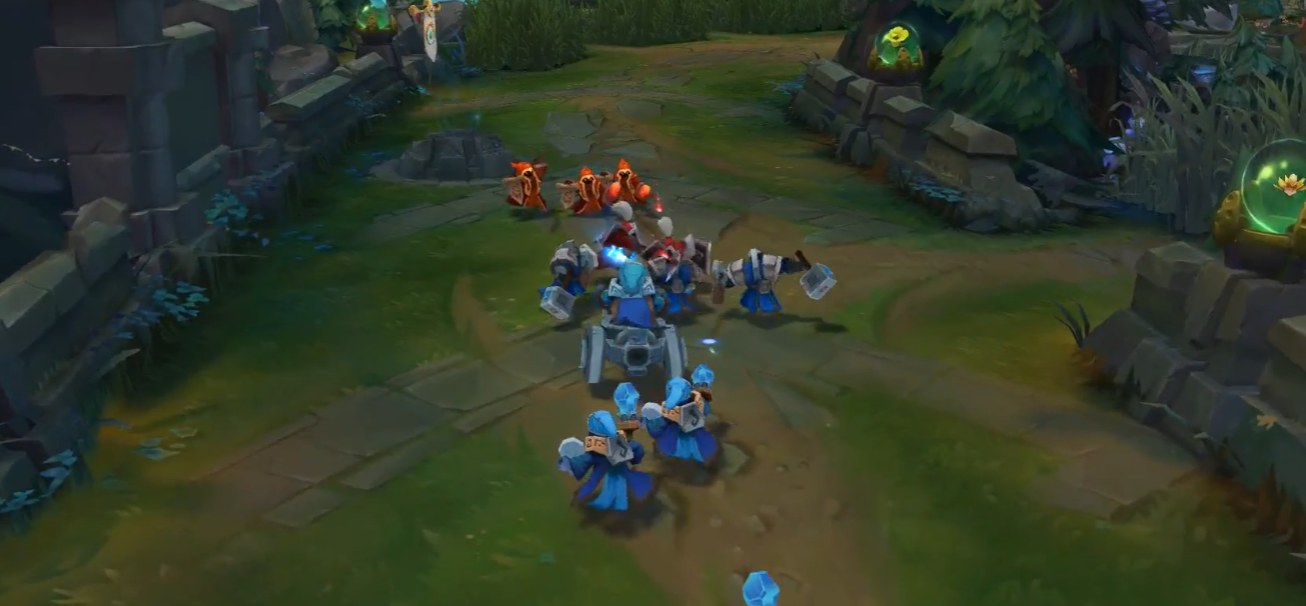
Ogni decisione in corsia dipende da tre fattori: l’ondata, i cooldown del tuo avversario e la posizione del jungler. Il piano di base è noioso ma corretto. Farmare in modo pulito, mantenere alta la salute, usare un “Recall” che non ti costa nulla, trasformare il vantaggio in piastre per le torri.
I primi cinque minuti seguono uno schema prestabilito, e inizia prima di quanto la maggior parte delle guide ammetta, perché ora i minion spuntano a 0:30 e raggiungono le corsie laterali circa trenta secondi dopo.
Da 0:30 a 1:05. L’ondata uno avanza, i campi della giungla si aprono a 0:55 ed entrambi i jungler sono impegnati. È il momento più sicuro della partita.
Prima ondata. Nessuno raggiunge il livello 2 con questa, e l’XP si accumula piuttosto che con il last hit, quindi infliggi danni all’ondata di minion nemici se vuoi quel livello per primo.
Seconda ondata. Il livello 2 si raggiunge con il primo o i primi due minion. Arriva per primo e avrai dieci secondi di vantaggio di livello.
Intorno alle 2:00, la terza ondata porta il primo cannone. Crashalo per un richiamo anticipato, oppure tienilo e freeze.
2:30. Metti una sentinella. Lo Scuttle spunta alle 2:55, e se pulisci bene i sei campi, il jungler sarà nella tua corsia entro le 3:30.
Last hit sotto la tua torretta
Il CS è il vantaggio che nessuno ti può togliere, e diventa più difficile proprio quando ne hai più bisogno: quando sei spinto indietro e devi farmare sotto la tua stessa torretta. Gli schemi sono fissi.
Minion da mischia: due colpi della torretta, poi il tuo attacco automatico.
Minion incantatore: il tuo attacco automatico, poi un colpo della torretta, poi finiscilo.
Minion cannone: colpiscilo il più spesso possibile in sicurezza tra un colpo di torretta e l’altro, e ricontrolla lo schema ogni volta che compri AD.
Esercitati: dieci minuti nello strumento di allenamento senza abilità, poi cinque sotto la tua torretta. L’indicatore di last hit di Riot evidenzia i minion nel raggio di uccisione se vuoi un po’ di aiuto, anche se funziona solo nelle code non classificate.
La maggior parte dei toplaner al di sotto del livello Oro si attesta tra i 5 e i 6 CS al minuto. Raggiungerne otto durante la fase di corsia, con un numero basso di morti, batte qualsiasi combinazione tu possa imparare questo mese.
Scambi in corsia senza perdere il controllo
Quattro cose da controllare prima di ogni scambio. Il numero di minion su entrambe le parti, perché il danno dei minion si accumula velocemente. I cooldown nemici. La differenza di raggio degli attacchi automatici. E se il tuo campione preferisce uno scambio breve o uno lungo, dato che lanciarti in uno scambio a raffica contro un campione con Conqueror è il modo migliore per perdere la corsia.
Due abitudini risolvono gran parte del problema: cammina dietro ai tuoi minion in modo che gli skillshot non penetranti colpiscano il lanciatore, e inizia gli scambi quando un minion nemico sta per morire.
Poi entra nei dettagli, perché “scambiarsi colpi in base ai cooldown” non serve a niente senza specificare di chi si tratta.
Renekton, una volta esaurita la furia, non ha né lo stordimento potenziato né la cura potenziata. Rispettalo quando ha 50 punti furia.
La Q di Darius infligge il danno completo e cura solo sul bordo esterno. Entra nel raggio d’azione e lui subirà il danno ridotto al centro.
Fiora con un Vital appena lanciato rivolto verso di te non è uno scambio; è una cura gratuita per lei.
Nasus, che ha appena usato la Q sull’ondata, non infligge danni per diversi secondi, e questa finestra si ripete.
Picchi di livello: 2, 3 e 6
Il livello 3 decide le corsie contro avversari fragili, mentre il livello 6 offre ad alcuni matchup un'ultimate che ribalta completamente un 1v1: la R di Darius esegue e azzerano, la R di Fiora cura nonostante il tuo danno, la R di Camille ti impedisce di scappare. Contro questi, tieni breve l’ondata al livello 5 e impedisci al toplaner nemico di andare all-in.
Gestione delle ondate: freeze, slow push, crash e bounce
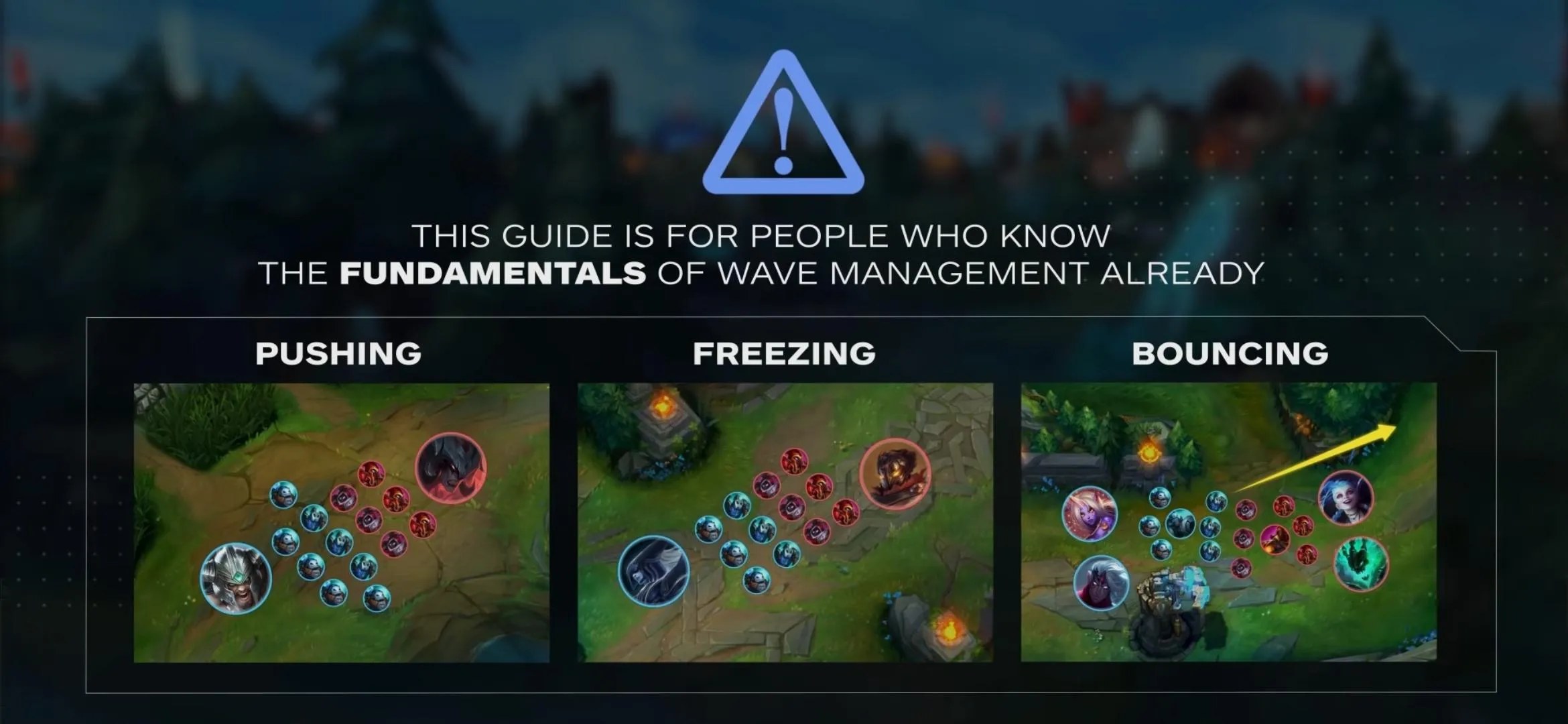
È questo che distingue il “top lane impossibile” dal “top lane sotto controllo”. Quattro stati, tutti a tua disposizione.
Freeze. Trattieni le ondate di minion fuori dalla tua torretta con l’ondata nemica leggermente più grande, dando il last hit solo a quelli che stanno per morire. Questo impedisce al nemico di farmare, schiva i gank e costringe il tuo avversario nella tua metà della mappa.
Slow push. Uccidi i maghi, lascia stare i combattenti corpo a corpo. La tua ondata cresce a ogni ciclo finché non diventa un muro.
Crash. Spingi tutto in modo che l’ondata muoia sotto la loro torretta.
Rimbalzo. La loro torretta divora i tuoi minion, i loro sopravvivono e le onde successive ti respingono. Quell’onda di ritorno è il tuo prossimo freeze.
Gestisci le ondate e sarai tu a scegliere dove si svolgeranno gli scontri.
Quale stato dell’ondata si adatta a quale situazione
Usa il freeze quando sei in vantaggio, quando sei vulnerabile ai gank o quando il loro Teletrasporto è inattivo.
Spingi lentamente prima di un recall, prima dei Grubs o dell’Herald, o prima di un dive. È proprio l’onda grande che si abbatte su di te a ripagare il dive.
Crash l’ondata prima di tornare alla base o di ruotare. Non allontanarti mai da un’ondata in parità.
Quando il nemico ti freeze, mantieni la distanza per guadagnare XP e rompi il blocco con l’ondata del cannone, invece di subire attacchi di poke per un solo minion.
Una regola prevale su tutte le altre: non spingerti mai troppo in avanti in un’ondata spinta verso di te senza visione.
Tempi di richiamo e il ciclo di rimbalzo
Il ciclo di gioco è: crash, richiamarti, tornare indietro, mantenere il rimbalzo, freeze, punire. Se lo esegui correttamente, guadagni piastre e oggetti a ogni ciclo senza nemmeno vincere uno scontro.
Un richiamo sbagliato è l’errore più costoso in questo ruolo: se torni indietro su un’ondata pari, perdi due ondate più le piastre che si prendono. Le piastre non cadono più nemmeno a 14 minuti, valgono circa 120 oro l’una e ce ne sono cinque per torretta.
La versione per fasce di rango, da quello che vediamo nelle analisi dei VOD: da Ferro a Argento si perde la corsia superiore spingendo in modo eccessivo senza visione e morendo con l’ondata spinta.
I giocatori Gold e Platinum farmano bene, ma tornano alla base con ondate sbagliate e raggiungono i Grubs o l’Herald senza aver costruito l’ondata, il che di solito è il vero motivo per cui un giocatore Gold rimane Gold. I Diamond e oltre perdono tempo piuttosto che vite, teletrasportandosi in combattimenti già persi. Un coach della corsia superiore identifica la tua fascia di rango in una sola partita registrata.
Sopravvivere nella giungla: tracciamento, warding e lato debole
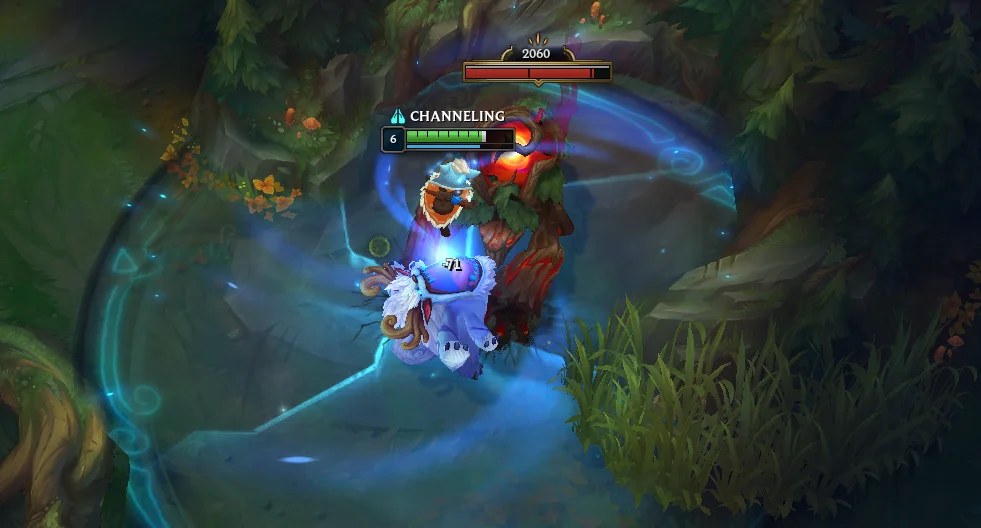
La maggior parte delle morti ingiuste nella corsia superiore sono prevedibili con venti secondi di anticipo. Prima di avanzare:
Da dove è partito il jungler nemico e dove è stato visto l’ultima volta?
Qualcuno ti ha dato informazioni negli ultimi 30 secondi?
La mia ondata si sta allontanando dalla mia torretta?
Se arrivano due persone, ho una via di fuga o una mossa per batterli?
Se la risposta onesta all’ultima domanda è “Muoio e basta”, non devi fare quello scambio.
Dove e quando piazzare le ward come toplaner
Il posizionamento delle ward nella corsia superiore dipende dal lato. Sul lato blu, la tua ward va nel tri-brush; sul lato rosso, nel bush del fiume in alto, perché è da lì che arriva il jungler nemico. Metti la prima ward entro le 2:30, tieni il tuo Totem di Ward invece di cambiare il trinket e spingi l’ondata prima di piazzare qualsiasi cosa più in profondità.
Le wards di controllo sono difensive quando sei in svantaggio: una nella boscaglia vicino alla tua torretta costringe il jungler nemico a esporsi all’interno del raggio d’azione della torre.
Una correzione per le guide che non muoiono mai: non esiste più la Ward di Visione; ora è una Ward di Controllo, 75 d'oro, una sola attiva alla volta. Qualsiasi guida che consigli il Decreto del Signore del Tuono o una corsia superiore 1v2 risale a prima dell’attuale versione del gioco, quindi controlla la patch attuale per i tempi degli obiettivi.
Lato debole vs lato forte
Il lato debole non ha nulla a che vedere con l’oro. Riguarda i giocatori presenti. Se il tuo jungler sta farmando sul lato bot e il tuo supporto sta roaming a centro, sei sul lato debole sia che tu sia 2/0 o 0/2.
Il tuo compito lì è far perdere tempo al nemico più di quanto ne fai perdere alla tua squadra. Tieni l’ondata vicino alla tua torretta, rinuncia di proposito ai CS (un terzo di un’ondata per restare in vita va bene; un kill non va mai bene) e concedi la placca piuttosto che il flash e l’uccisione che ne segue. Due nemici che si impegnano sul tuo lato della mappa è una vittoria.
Il lato forte prevede invece l’opposto: spingi, prendi i piatti e fai pagare caro al jungler nemico il fatto di essersi fatto vedere.
Come vincere nella corsia superiore in matchup vincenti, in parità e perdenti
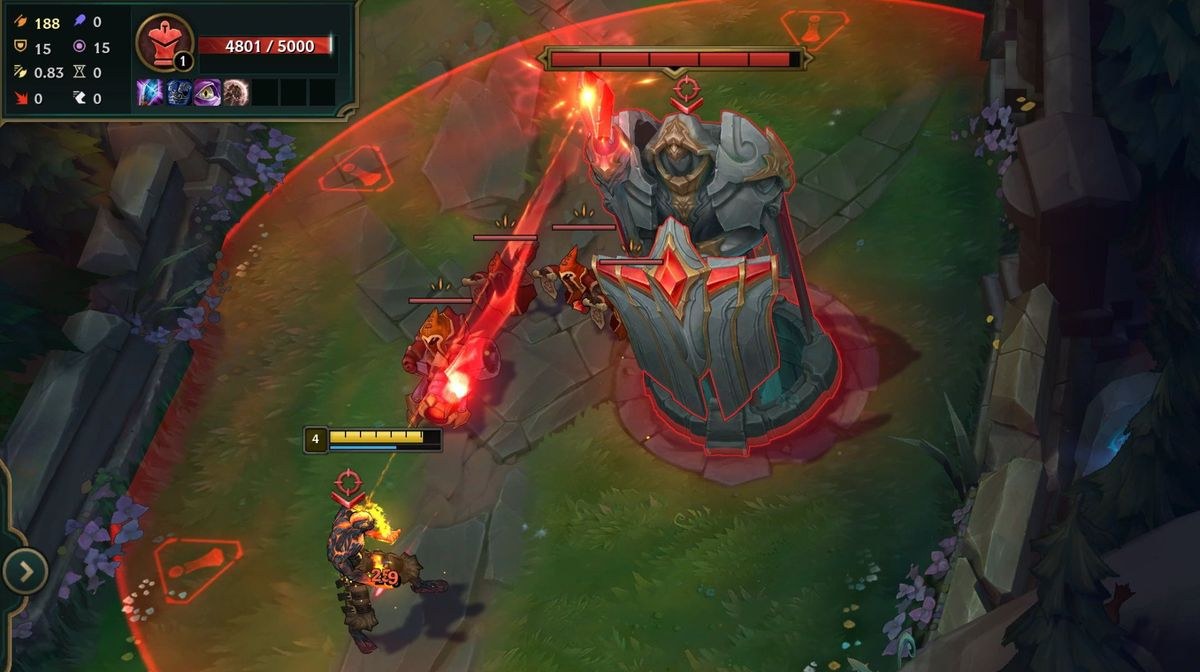
Le matchup decidono come giochi, non se puoi vincere.
Vittoria. Slow push verso la loro torretta, prendi le piastre, poi freeza l’ondata successiva e lasciali a bocca asciutta. Trasforma la pressione nella prima torretta, che vale 300 d’oro da dividere con tutta la tua squadra.
In parità. Scambia colpi solo se hai un vantaggio concreto (livello, cooldown, numero di minion) e vinci la corsia gestendo bene i tempi di recall.
Scontri in svantaggio. Concedi CS, non uccisioni. Lascia che l’ondata venga da te, torna alla base quando è sicuro e cresci in utilità. Un solo laner con 40 CS in meno è giocabile; lo stesso giocatore con 0/4 non lo è.
Equipaggiamento: costruisci in base a ciò che ti uccide
Due domande decidono la build: chi mi uccide e chi devo raggiungere? Una corsia con danni fisici significa armatura e Plated Steelcaps all’inizio. Un campione nemico che infligge danni magici significa resistenza magica e Mercury’s Treads. A matchup che cura significa anti-cura immediata, perché un Bramble Vest da 800 oro vince scontri che una leggendaria completa non riesce a vincere.
Il tempismo di un picco difensivo batte una build perfetta: essere indietro di 400 oro ma ancora in vita nello scontro decisivo per l’Herald batte l’oggetto ideale con due minuti di ritardo.
Dopo la fase di laning: split push o raggrupparsi?
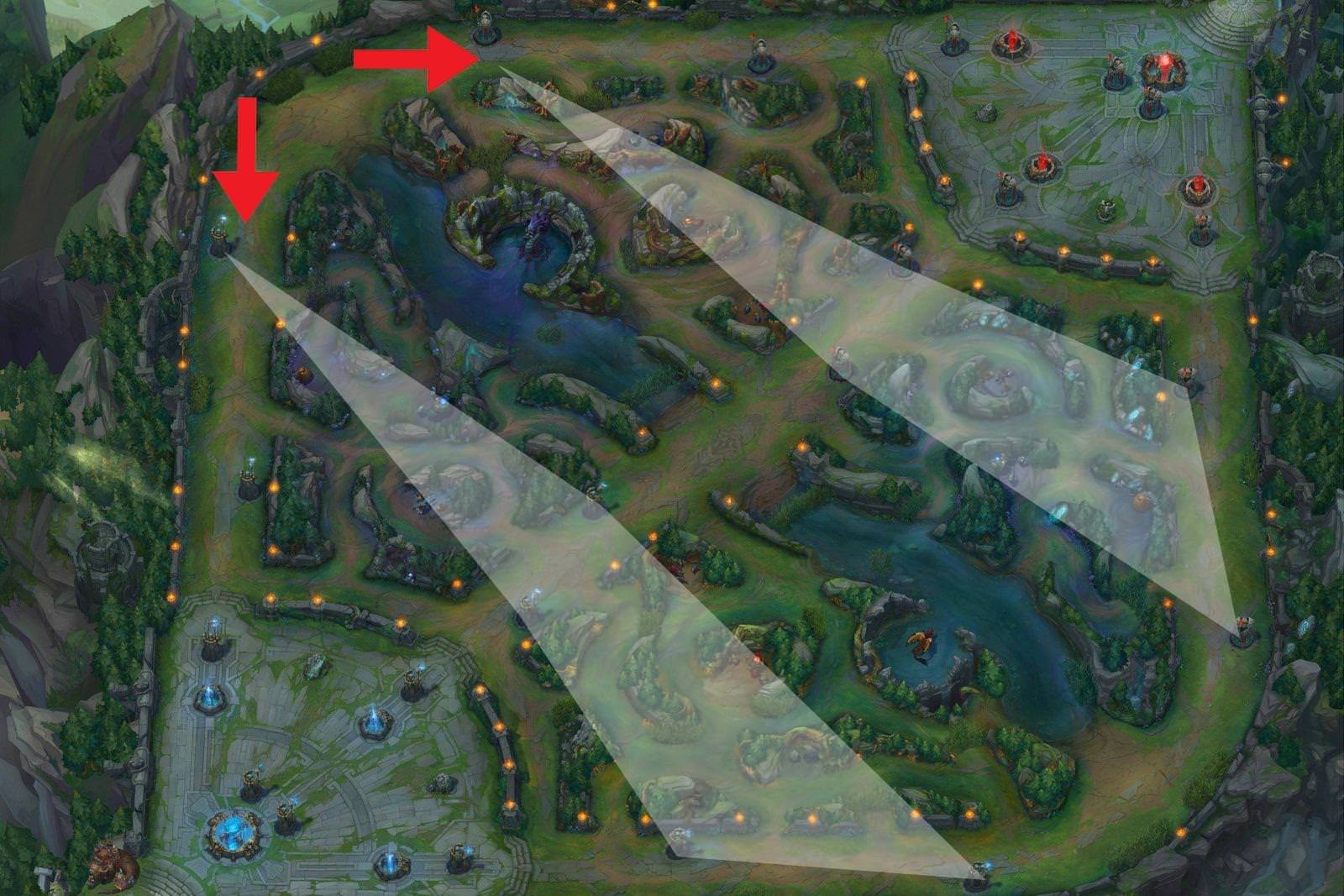
Intorno ai 14 minuti, la partita si biforca, e scegliere il ramo sbagliato fa perdere partite che erano già vinte.
Raggrupparsi è la scelta giusta quando sei tu a dare il via allo scontro, quando il tuo picco di potenza è immediato anziché a tre oggetti di distanza, o quando sta per apparire un obiettivo importante. Rimanere da solo in una corsia lunga mentre la tua squadra viene annientata al Barone è un’autogol, non uno split push.
Fai lo split push quando vinci il 1v1 contro chiunque ti mandino contro, quando conquisti velocemente gli obiettivi e quando la tua squadra riesce a tenere il centro. Il momento migliore è quel periodo tra le 11:00 e le 15:00, quando le torri esterne perdono resistenza e quelle intatte carry stack di “Crystalline Overgrowth” che si trasformano in danno vero bonus.
Come fare uno split push senza dare feed
La sequenza non cambia mai. Metti un ward nel fiume per vedere chi sta arrivando, spingi finché la corsia laterale non costringe gli avversari a reagire, poi conta i nemici che riesci effettivamente a vedere. Se ce ne sono quattro altrove, prendi la torretta. Se due stanno venendo verso di te, prendi invece i loro campi. Se ce n’è uno solo, hai già una battaglia che vincerai.
I messaggi lunghi vengono ignorati; tre parole no: “2 top, vai”. Il teletrasporto ti garantisce sicurezza, dato che puoi fare pressione su un lato della mappa e arrivare comunque in tempo per lo scontro dall’altra parte.
Il tuo ruolo in uno scontro di squadra in base al tipo di campione
L’errore più grave di ogni archetipo è svolgere il ruolo di un altro archetipo. Il tank apre lo scontro e tiene il punto di strozzatura. I juggernaut e i bruiser si dirigono verso la minaccia più vicina e la kill, non verso un ADC nascosto dietro tre corpi. Il diver o lo skirmisher aspetta che la squadra nemica si esponga, poi attacca di fianco la retroguardia. Fatti prima una domanda: ingaggiare, aggirare, proteggere o marcare?
Un piano di due settimane per giocare meglio nella corsia superiore
Settimana uno: CS e morti. Un solo pool di campioni, senza eccezioni. Dieci minuti di allenamento sul last hit prima della tua prima partita di ogni giorno. Dopo ogni partita, analizza esattamente una morte e classificala: stato delle onde, visione, errata valutazione dei cooldown o avidità. Ogni categoria ha la sua soluzione.
Seconda settimana: stato delle ondate e matchup. Imponi uno stato delle ondate per partita: in una mantieni la posizione, nell’altra effettua una slow push per poi lanciarti in un dive. Studia un matchup al giorno, concentrandoti solo sulle due abilità che ti battono e sul momento in cui sono in cooldown.
Gli errori che ti fanno perdere più partite ci stanno su un post-it: spingere in modo aggressivo senza visione, combattere contro un’ondata di minion nemici concentrati, tornare alla base durante un’ondata che avresti dovuto crashare, teletrasportarti in uno scontro già perso e dividerti dalla squadra senza un piano.
Questo ciclo funziona da solo, e ancora più velocemente se qualcun altro guarda il filmato. Se preferisci avere una diagnosi piuttosto che altre dieci partite passate a tirare a indovinare, dai un’occhiata agli allenatori Challenger e porta con te una partita.
La corsia superiore non premia il giocatore che vince più combattimenti. Premia chi decide quali combattimenti si verificano. Gestisci bene l’ondata e sarai tu a decidere.