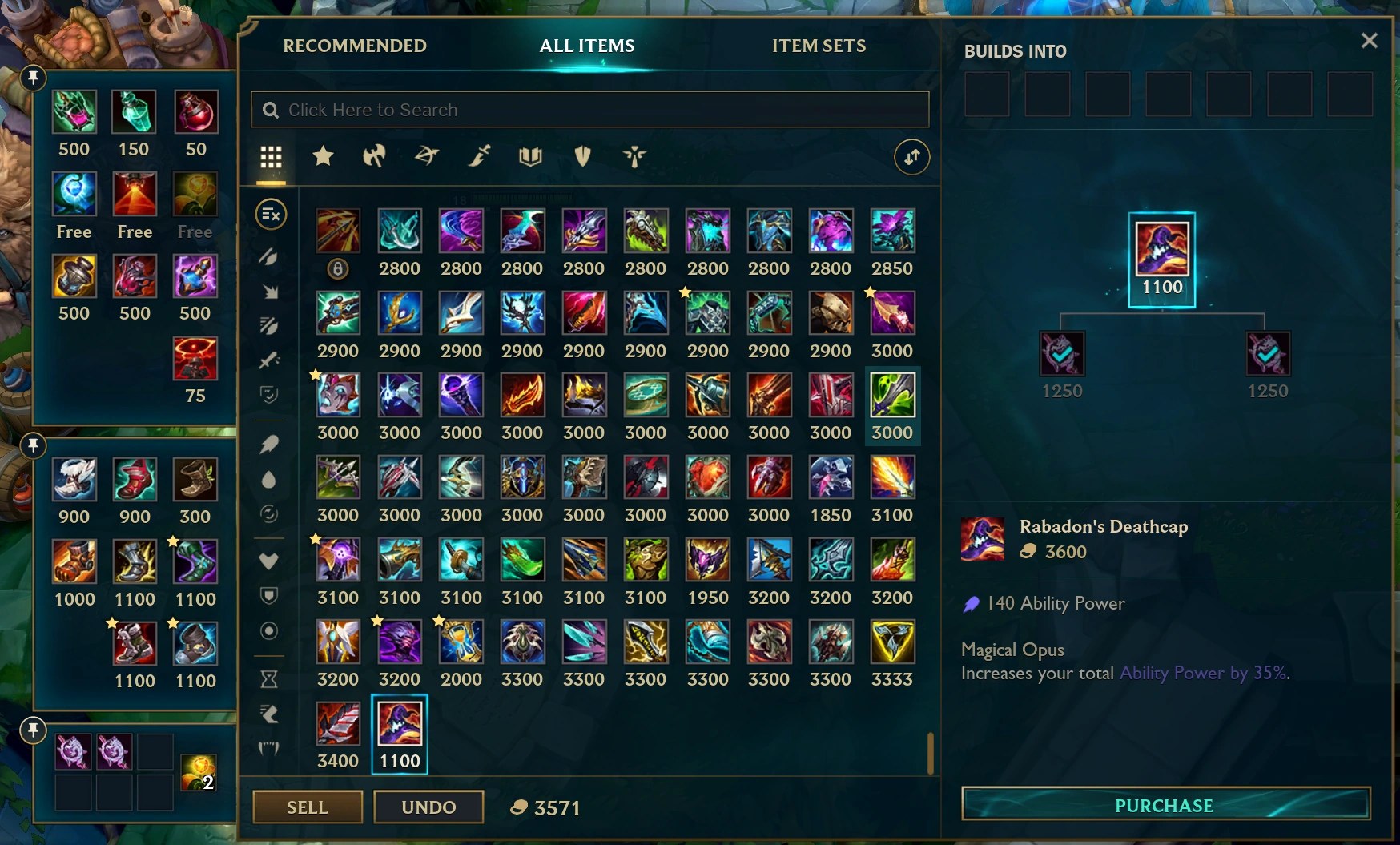
La maggior parte delle partite di League si perde al negozio, non in corsia. Apri la pagina della build prima della selezione dei campioni, copi i sei oggetti in ordine, poi li compri in quell’ordine per i successivi 30 minuti mentre il Dr. Mundo avversario accumula salute e il tuo terzo oggetto critico non gli fa alcun effetto.
Ecco quindi la risposta in breve. Il tuo campione determina i tuoi primi due o tre oggetti fondamentali. La squadra avversaria determina tutto il resto, e tu devi rivalutare la situazione ogni volta che torni alla base. Una build in League of Legends non è una lista della spesa che si fissa durante la selezione del campione, ma una serie di piccole scommesse effettuate con l’oro che hai effettivamente raccolto tornando alla base.
Inizia con la build base del tuo campione, non con tutti e sei gli oggetti
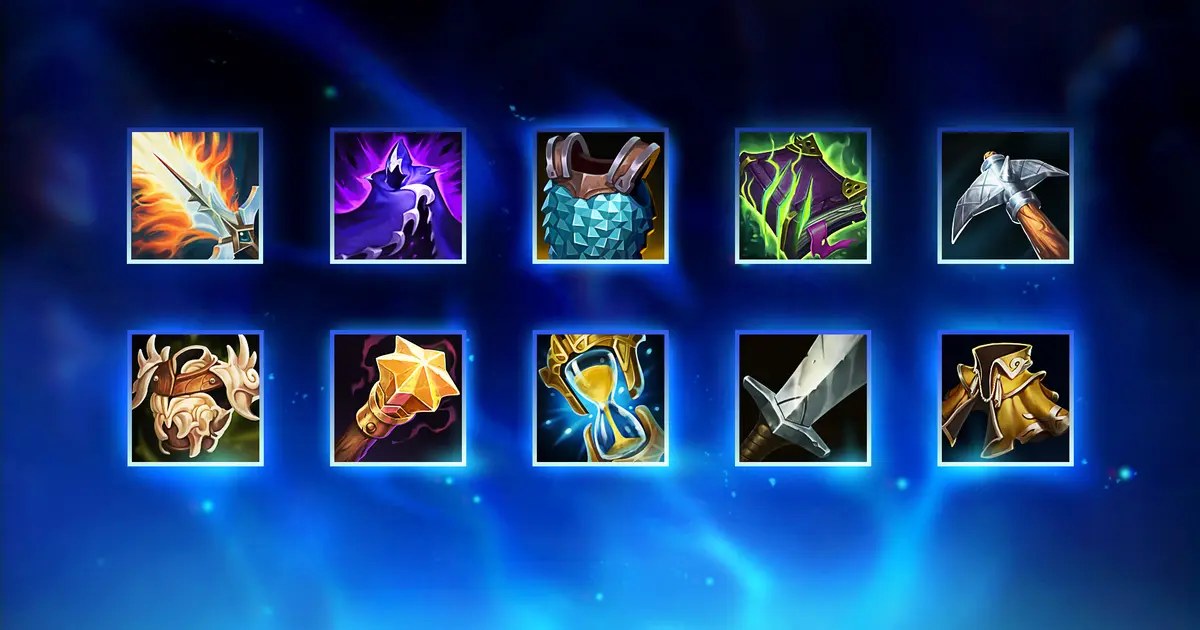
Gli oggetti fondamentali sono i due o tre oggetti che il tuo campione acquista praticamente in ogni partita, indipendentemente dalle scelte avversarie. Non sono una preferenza, sono ciò che fa funzionare il tuo kit: il critico di cui un tiratore ha bisogno prima che valga la pena avvicinarsi per gli attacchi automatici, la velocità d’attacco di cui un mago ha bisogno prima che la combo uccida davvero, la salute di cui un tank ha bisogno per sopravvivere al proprio ingaggio.
Solo gli slot dal tre al sei sono davvero oggetto di discussione. Questa è la parte che nessuno insegna, ed è proprio quella che decide l’esito delle partite.
Cosa scegliere come oggetti fondamentali dipende dal tuo archetipo:
Tiratori: velocità d’attacco e critico, poi penetrazione non appena compare l’armatura
Assassini: letalità o penetrazione magica, quanto basta per uccidere prima che l’avversario reagisca
Maghi: AP e rapidità delle abilità, penetrazione una volta che compare la resistenza magica
Bruiser: AD con salute e accelerazione, in modo da sopravvivere abbastanza a lungo da infliggere danni
Tank: salute, poi qualsiasi resistenza richiesta dal danno che subiscono
Incantatori: accelerazione, potenza di cura e dello scudo, effetti attivi che i tuoi alleati percepiscono
Se non riesci a spiegare a voce alta perché il tuo primo oggetto è proprio quello, quella è la lacuna che vale la pena colmare, e lol-coaching.net elenca i coach per ruolo e grado.
Dove trovare una build iniziale e come leggere le classifiche di tier e le percentuali di vittoria
Prendi una build iniziale da un sito di statistiche. u.gg è il più veloce per oggetti, rune e ordine delle abilità aggiornati all’ultima patch. Mobalytics ha le guide ai campioni più chiare, oltre a un’app che fornisce consigli in tempo reale. OP.GG è il migliore per la cronologia delle partite di un giocatore, METAsrc ha la più ampia raccolta di dati grezzi, mentre probuilds mostra cosa hanno scelto i professionisti la notte scorsa.
Leggi i numeri con attenzione. Imposta il filtro del rango su Smeraldo+ anziché su tutti i ranghi, perché un campione con Elo basso riflette ciò che le persone acquistano, non ciò che porta alla vittoria. Controlla la dimensione del campione prima di dare credito a una percentuale di vittorie: il 57% su 300 partite è rumore, il 52% su 40.000 è un segnale. Una classifica per tier è un aiuto nella scelta del campione, non una build. Indica che il campione è forte in questa patch, non cosa comprare al 14° minuto.
Trattate le "probuild" con la massima diffidenza. Quella build proviene da una partita in coda solitaria di livello molto più alto, con un pool di campioni diverso e condizioni di vittoria diverse, quindi il loro primo oggetto spesso non ha senso al vostro rango.
Rune, incantesimi dell’evocatore e ordine delle abilità fanno parte della build
La tua build non è composta solo da oggetti. La runa chiave e l’albero secondario hanno lo stesso peso del tuo secondo oggetto, così come i frammenti: forza adattiva quando vuoi infliggere danni in corsia immediatamente, salute o tenacia contro i burst e il controllo di massa.
Gli incantesimi dell’evocatore dipendono dal ruolo e dall’avversario. «Ignite» comporta una riduzione del 40% delle cure, spesso la risposta più rapida a un laner con sustain, mentre «Exhaust» trasforma l’all-in di un assassino in un lancio di moneta.
Anche l’ordine delle abilità è flessibile. Potenzia al massimo l’abilità che ti fa vincere la corsia, di solito l’abilità di poke o di pulizia delle ondate contro un giocatore in corsia a lungo raggio, non quella che il sito raccomanda a ogni livello.
Le quattro domande da porsi su ogni build ogni volta che torni alla base
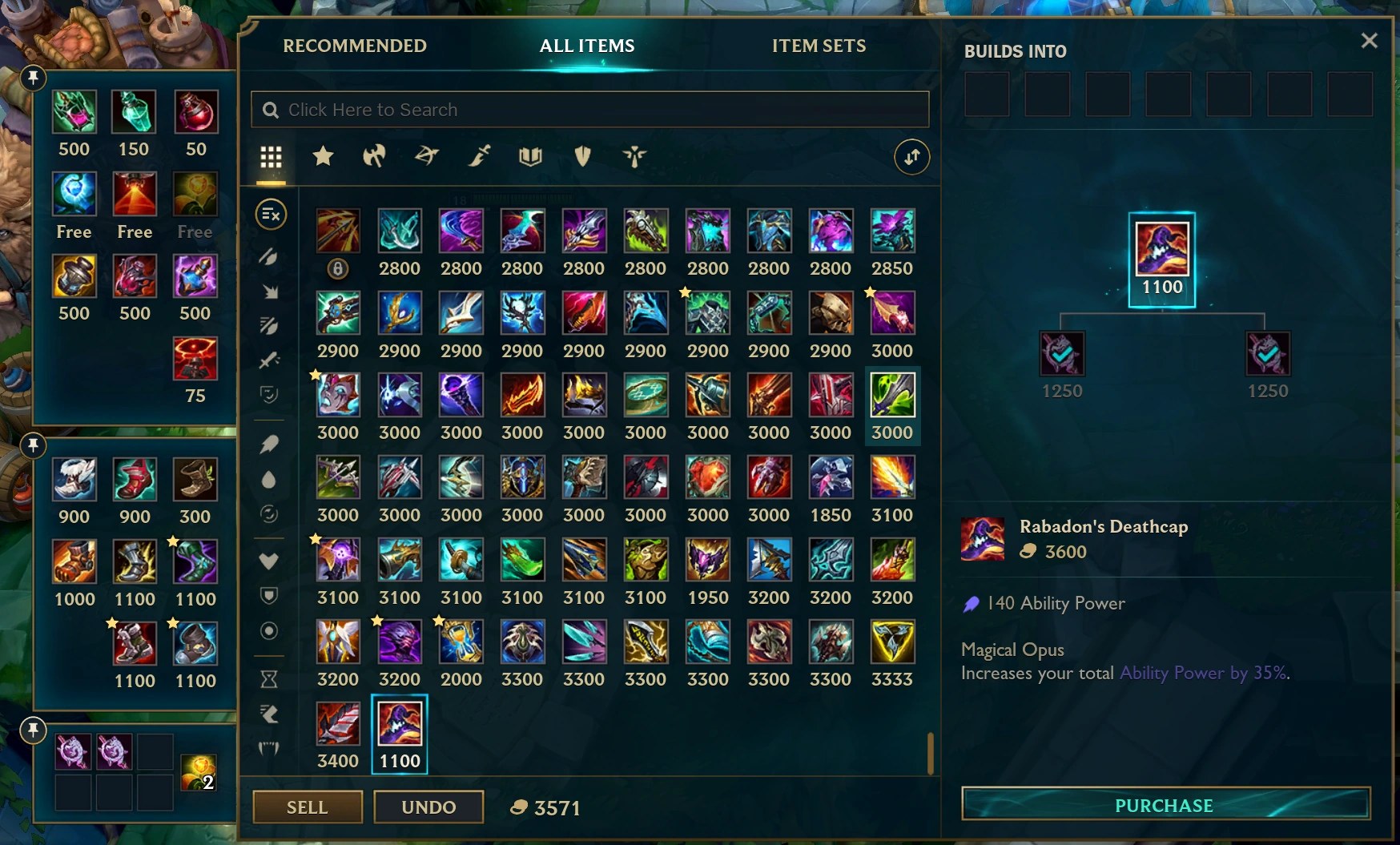
Ogni volta che premi B, il gioco ti pone di fronte a una decisione. Poniti queste quattro domande in ordine e la tua build si discosterà da quella del sito in due partite su tre.
1. Cosa mi sta effettivamente uccidendo: il danno fisico o quello magico?
Apri il tabellone dei punteggi e leggi i loro oggetti, non la loro classe. Una Kai’Sa che punta sull’AP al colpo, un Brand in ruolo di supporto e una Kayle con Nashor’s sono una squadra che infligge danno magico, indipendentemente da ciò che dice l’elenco delle classi. Acquista in base al danno che sta effettivamente intaccando la tua barra della salute, poi ricontrolla dieci minuti dopo, perché anche la loro build sarà cambiata.
La versione semplificata della salute effettiva: l’armatura e la resistenza magica non aggiungono salute, ma moltiplicano quella che già possiedi. Quindi l’acquisto giusto dipende da ciò che possiedi. Se hai un’elevata riserva di salute ma resistenze scarse, punta sulle resistenze. Se hai un’armatura elevata ma una barra della salute ridotta, punta sulla salute. Contro il danno vero nessuna delle due resistenze ha effetto, quindi la salute è l’unica difesa disponibile.
2. Stanno curandosi o proteggendosi con uno scudo mentre subiscono il mio danno?
L’anti-cura è l’acquisto corretto più trascurato nei livelli Elo bassi. «Grievous Wounds» riduce la cura del 40% e i suoi componenti costano 800 d’oro, quindi non esiste partita in cui non ci si possa permettere di acquistarne uno contro Soraka, Aatrox, Vladimir o Mundo. Acquistalo non appena il loro sustain inizia a vincere gli scambi, non come sesto oggetto dopo che la partita è ormai decisa.
Gli scudi sono un problema a parte. “Grievous Wounds” non li intacca, quindi serve un burst che superi lo scudo, oppure “Serpent’s Fang” a 2.500 d’oro, che riduce gli scudi del 50% se sei un personaggio da mischia e del 35% se sei un personaggio a distanza.
Acquisto anti-cura | Costo | Statistiche | Adatto a | Si potenzia in |
|---|---|---|---|---|
Chiamata del boia | 800 g | 15 di danno d'attacco | Carry AD, bruiser, jungler | Mortal Reminder o Chempunk Chainsword |
Sfera dell’oblio | 800 g | 25 potere magico | Maghi, assassini AP | Morellonomicon |
Gilet di rovi | 800 g | 30 di armatura | Tank che proteggono un attaccante automatico | Cotta di spine |
Morellonomicon | 2.850 g | 75 AP, 350 punti salute, 15 di rapidità | Campioni AP che occupano uno slot completo | Forma completa del Globo dell’Oblio |
3. Sono in vantaggio, in parità o in svantaggio?
In vantaggio, acquista l’oggetto che conclude la partita prima che i carry nemici raggiungano il loro massimo potenziale: danno, ritmo, qualsiasi cosa serva a prendere la prossima torre adesso. In svantaggio, acquista l’oggetto economico che ti permette di sopravvivere e continuare a farmare, perché un picco di 3.500 d’oro per cui muori due volte prima di completarlo vale zero.
Questa è la regola del «tirare avanti con quello che hai». Entrare in campo con 1.200 d’oro e stivali a 300, più un componente anti-cura da 800 d’oro, è meglio che uscirne con 1.200 non spesi e un sogno. L’oro in tasca non ha statistiche, e morire con 1.600 in banca è il modo in cui i giocatori con Elo basso regalano le battaglie di squadra.
4. Cosa manca alla mia squadra?
Guarda i tuoi quattro alleati e individua cosa manca allo scontro di squadra: prima linea, ingaggio, protezione, disimpegno. Se nessuno riesce a reggere uno scontro, il tuo quinto slot risolve il problema. Un oggetto da tank su un bruiser fa vincere più partite di un quinto oggetto da danno che conta solo se sopravvivi fino al secondo quarto.
Una svolta concreta. Sei un ADC con due oggetti equipaggiati e il Malzahar nemico ha chiuso quattro scontri sopprimendoti non appena ti ha visto. La build prevede come prossimo oggetto l’Infinity Edge. Invece torni in base con 1.400 oro, compri la Quicksilver Sash (1.300 oro, 30 di resistenza magica, che rimuove la soppressione) e completi l’oggetto critico al prossimo ritorno in base. È proprio su questo tipo di scambi che si concentrano le sessioni di coaching per gli ADC.
Costruisci per i picchi di potenza, non per i sei oggetti perfetti
La build completa di sei oggetti non si realizza quasi mai. Le partite si decidono in base a chi è più forte al 14° e al 22° minuto, quindi costruisci in funzione di quei due momenti chiave invece che di un inventario da sogno.
Ciò significa completare il componente che garantisce un picco di potenza immediato, piuttosto che accumulare risorse per l’oggetto ideale in un secondo momento, e significa indossare gli stivali al momento giusto. Gli stivali sono una scelta a sé stante in questa stagione: le missioni di ruolo del 2026 offrono al giocatore della corsia centrale un potenziamento gratuito di livello 3, mentre la missione completata della corsia inferiore sposta gli stivali in uno slot di missione e garantisce silenziosamente ai tiratori un settimo oggetto.
Il carry critico è l’esempio più lampante. Il danno critico base si attesta al 200% in questa stagione, e Infinity Edge costa 3.500 d’oro per 75 AD, 25% di probabilità di critico e +30% di danno critico, portando i critici al 230%: il picco più alto della build, ma anche il più lento da raggiungere. Se gli scontri per i grub e i draghi avvengono a 12 minuti, il picco di velocità d’attacco a basso costo (le Gambaie del Berserker sono passate dal 25% al 30% nella patch 26.16) conquista l’obiettivo che l’Infinity Edge avrebbe conquistato a 17 minuti.
Errori di build che costano le partite a basso Elo
Copiare una build di prova in una composizione completamente diversa
Danno puro in una composizione con tre tank senza alcuna penetrazione
Non acquistare mai oggetti anti-cura, per poi definire l’Aatrox avversario “sbilanciato”
Acquistare resistenze al 12° minuto contro un carry che è 0/6
Morire con 1.600 d'oro non speso, ripetutamente
Stivali di primo livello a 25 minuti
Scegliere un oggetto per le sue statistiche ignorandone la passiva, che di solito è l’unica ragione per cui esiste
Utilizzare la build della scorsa stagione dopo che una patch ha rimosso l’oggetto, e la 26.9 ha eliminato del tutto Opportunity e Trailblazer
Il tuo rango determina quale di questi aspetti conta. Da Ferro a Oro, la percentuale di vittorie dipende da cose banali: completare gli stivali, acquistare l’oggetto anti-guarigione da 800 d’oro, spendere l’oro prima di combattere. Da Smeraldo in su, questo è dato per scontato, e il vantaggio sta nel tornare in base in base al matchup specifico e nel sferrare il tuo attacco decisivo prima del drago piuttosto che dopo.
Trasforma la scelta degli oggetti in un’abitudine che puoi verificare
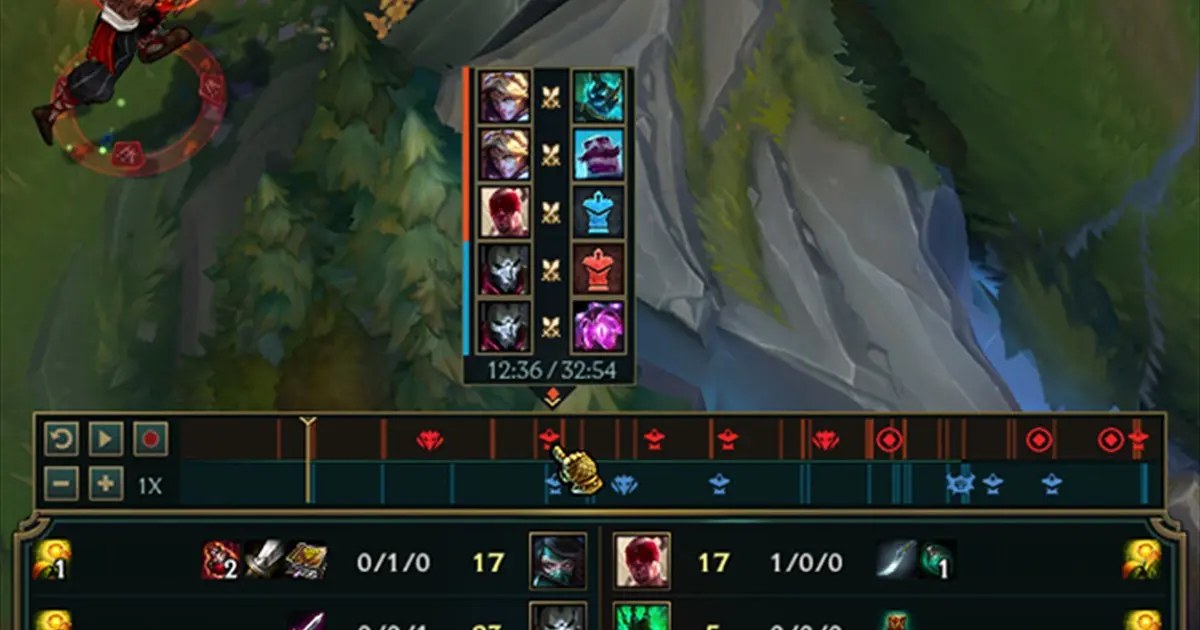
Rendilo misurabile. Carica un replay della notte scorsa e crea due colonne: il tempo di gioco ad ogni ritorno alla base e il tempo in cui ogni oggetto è stato completato. Poi contrassegna ogni acquisto dopo il tuo core come reazione alla squadra avversaria o come "pilota automatico".
Due numeri saltano subito all’occhio: quanto oro hai riportato in corsia senza spenderlo e quanto tardi è stato completato il tuo primo oggetto. Dopo 14 minuti in una partita normale, il tuo problema è spendere, non farmare.
Tre partite di questo tipo ti forniranno un elenco di abitudini, che è ciò che un'analisi dei replay (VOD) individua in una sola sessione. Un coach si sofferma sul momento in cui avresti dovuto acquistare "Executioner's Calling" e costruisce un piano di miglioramento personalizzato basato sui tuoi stessi replay; quindi, quando la scelta degli oggetti smette di migliorare da sola, fai analizzare i tuoi replay da un coach di livello Challenger.
Nella partita successiva, prima di acquistare qualsiasi cosa, poniti le quattro domande. Dopo due turni, starai già giocando con una build diversa da quella che avevi copiato.