

I livelli Diamond IV e superiori rappresentano il 5% più alto della classifica. Sei già più bravo a League of Legends di diciannove persone su venti che si uniscono alla coda, eppure il tuo grafico dei punti LP continua a sembrare un elettrocardiogramma.
Ecco la parte scomoda: i consigli che ti hanno portato fin qui non funzionano più da questo punto in poi. Tutto ciò che hai letto a livello Plat era di natura tecnica. Farmare meglio, morire meno, imparare gli abbinamenti. Gli avversari del livello Diamante fanno già tutto questo. Quello che segue è un metodo di analisi, un elenco di campioni consigliati e di correzioni a livello di macro, una correzione per ogni ruolo e un piano per i LP che resista anche a una serata storta.
Perché è così difficile uscire da Diamond
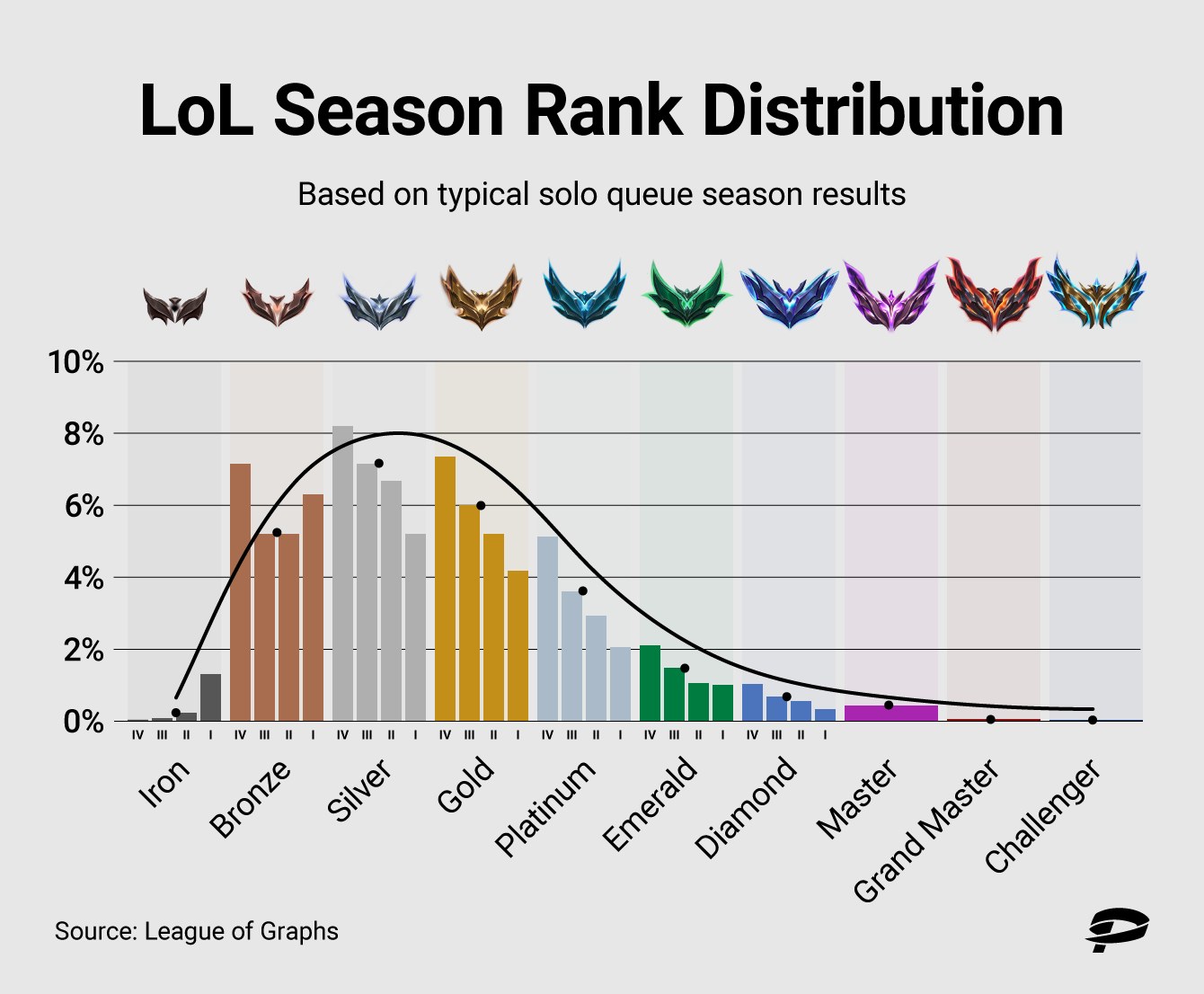
Guarda dove si trova effettivamente la classifica. Il Diamante IV e oltre rappresentano all’incirca il 4,9% dei giocatori in coda solitaria, il Diamante I e oltre l’1,6%, mentre il Master è meno dell’1%. Non stai scalando un livello. Stai scalando la parte più ristretta della distribuzione.
L’aritmetica dei LP è inequivocabile al riguardo. Quando il tuo MMR corrisponde al tuo rango, la base di riferimento è di più o meno 20 LP. Da Diamond IV a Master ci sono quattro divisioni, quindi 400 LP netti. Con una percentuale di vittorie del 52% su 100 partite, guadagni 1.040 e ne perdi 960: +80 LP netti, nemmeno una divisione. Con il 55% ottieni un saldo netto di +200 LP ogni 100 partite. Tre punti percentuali rappresentano l’intera differenza tra rimanere bloccati e scalare la classifica, ed è per questo che la costanza prevale sulle partite in cui si viene trascinati alla vittoria.
Considera il Diamond basso e quello alto come due scalate distinte. In D4 e D3, le tue lobby contengono ancora abitudini da Emerald: giocatori che si buttano in una spinta lenta, che combattono senza visione. In quei livelli, le basi solide fanno davvero la differenza. A partire da D2, le tue partite si riempiono di account con MMR da Master, smurf fuori ruolo e giocatori specializzati in un’unica strategia con 400 partite su un campione. Nessuno ti regala una vittoria.
L’“Elo hell” non esiste, ma il “lancio della moneta” sì. Circa un terzo delle tue partite è già deciso per te, in un senso o nell’altro. Gli altri due terzi dipendono da te, e se sei bloccato significa che ne stai vincendo quasi esattamente la metà.
Analizza il tuo schema di sconfitte prima di giocare molte altre partite
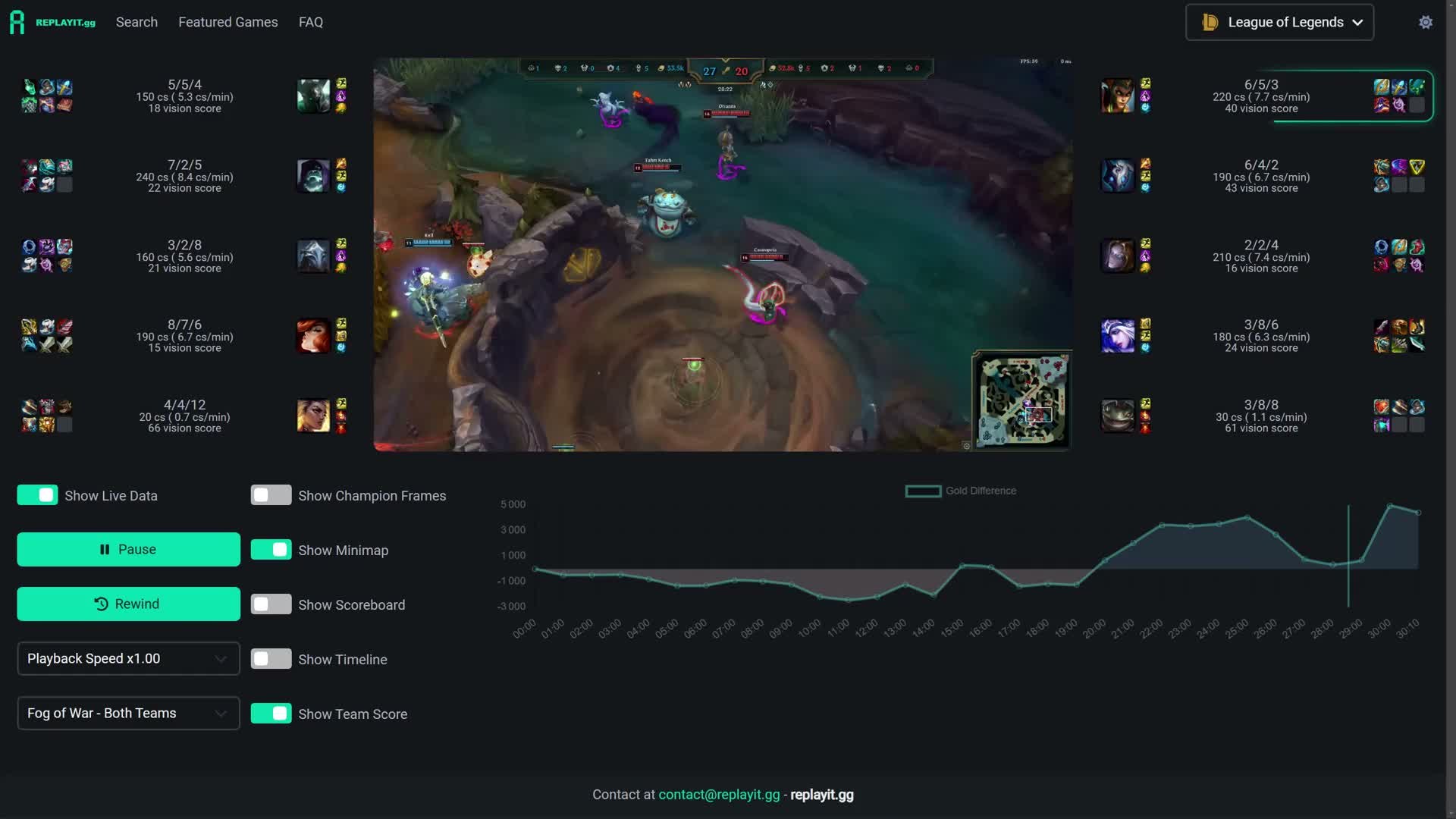
«Rivedi i tuoi replay» è il consiglio più ripetuto e meno utile negli Elo alti. Ecco la versione che porta a qualcosa.
Recupera le tue ultime 10 partite dalla scheda “Replay” del client, vittorie incluse, perché le tue peggiori abitudini sopravvivono anche alle vittorie. Semplicemente, quel giorno non ti costano LP. Apri un file di appunti e registra quattro cose per ogni singola morte:
Il timestamp.
Cosa stava facendo l’ondata (si stava abbattendo, era bloccata, avanzava lentamente verso di te, era neutrale).
L’ultima posizione nota del jungler nemico e da quanto tempo era stata registrata quell’informazione.
Se un obiettivo è cambiato entro 60 secondi dalla tua morte.
Dieci partite ti danno da 40 a 60 morti. Non le stai correggendo tutte. Devi individuare quella che si ripete. Se sette morti sono avvenute mentre un’ondata avanzava lentamente verso la torre nemica e non c’erano informazioni dalla giungla risalenti a meno di 30 secondi prima, non si tratta di cinquanta errori. Si tratta di un errore che commetti in ogni partita. Giocare molte partite senza fare questo non fa altro che aggravare ciò che già non funziona. Lo strumento di allenamento corregge le combo. Solo un’analisi approfondita corregge le decisioni.
Le tre domande che rivelano le tue vere aree di miglioramento
Rispondi a tre domande su ogni morte registrata, una riga per ciascuna.
Cosa volevo ottenere da quello scambio? Se la risposta onesta è “l’uccisione” o “niente”, quella morte va nella categoria dell’avidità.
Cosa sapevo effettivamente del jungler nemico? Non quello che pensavi. Dove l’hai visto, quanto tempo fa. Se non lo sai, va nella categoria “monitoraggio della giungla”.
Cosa stava facendo l’onda? Sei morto con un’onda che avresti potuto prendere, o su un’onda che ti avrebbe spinto indietro comunque? Categoria “fase di lane”.
Ora hai tre numeri, e quello più alto rappresenta il tuo lavoro per la settimana. Una correzione per sessione, non dodici. La costanza è fondamentale, e nessuno riesce a essere costante su dodici cose contemporaneamente.
Quando gli "occhi esterni" battono altre 100 partite in Solo Queue
L’autovalutazione ha un punto cieco strutturale: non puoi individuare un errore se non sai che esisteva un’opzione migliore. Puoi vedere che sei morto alle 6:40. Non puoi vedere il “recall” alle 5:50 che avrebbe reso impossibile quella morte, perché non hai mai giocato in quel modo.
Ecco cosa ti offre una revisione tramite VOD a questo livello. Non “metti più ward”. Uno schema ben definito più un esercizio mirato. Lo vediamo continuamente: il giocatore Diamond convinto di avere un problema nei combattimenti di squadra quasi sempre ha invece un problema di riadattamento.
Se ne prenoti una, prepara il briefing come si deve. Invia due sconfitte e una vittoria con lo stesso campione nello stesso ruolo, spiega cosa pensi che non vada e chiedi qualcosa di specifico, ad esempio cosa avresti dovuto fare alle 14:20 invece di raggrupparti. Un’ora con un coach di livello Challenger che identifichi lo schema ti aiuterà a scalare la classifica più delle prossime cento partite giocate in modalità automatica. Per prima cosa, però, esegui tu stesso l’analisi delle 10 partite. Renderà la sessione due volte più efficace.
Riduci il tuo pool di campioni e inizia a vincere nella selezione dei campioni

Due o tre scelte per un ruolo. Idealmente un campione principale, una scelta sicura e qualcosa di affidabile da scegliere alla cieca. Questo è tutto ciò che ti consiglio, ed è lo schema più affidabile tra i giocatori che riescono davvero a salire di livello.
Il motivo è specifico per questo livello Elo. Gli avversari del Diamond conoscono i tempi di ricarica dei tuoi campioni e puniscono ogni matchup che conosci solo a metà. Sette campioni significano che non ne conosci nessuno bene quanto la tua lobby. La tua scelta di riserva esiste per le partite in cui il tuo campione principale viene bannato o contrassegnato, non per varietà. Non giocare un nuovo campione mentre stai scalando la classifica e non inseguire nemmeno il meta di ogni patch: un nuovo campione richiede dai 40 ai 50 giochi prima di tornare al tuo livello di base, e per allora il meta attuale si sarà già spostato due volte. Affina ciò che hai.
Anche il "dodge" fa parte della selezione dei campioni, e c'è una vera e propria logica matematica dietro. Un "dodge" costa 5 LP, una sconfitta ne costa 20. Se una composizione vince davvero meno del 37% delle volte, il "dodge" è l'opzione più economica. Il secondo "dodge" costa 15 LP, quindi non lo è quasi mai.
La macro è il muro: vinci la mappa, non il matchup
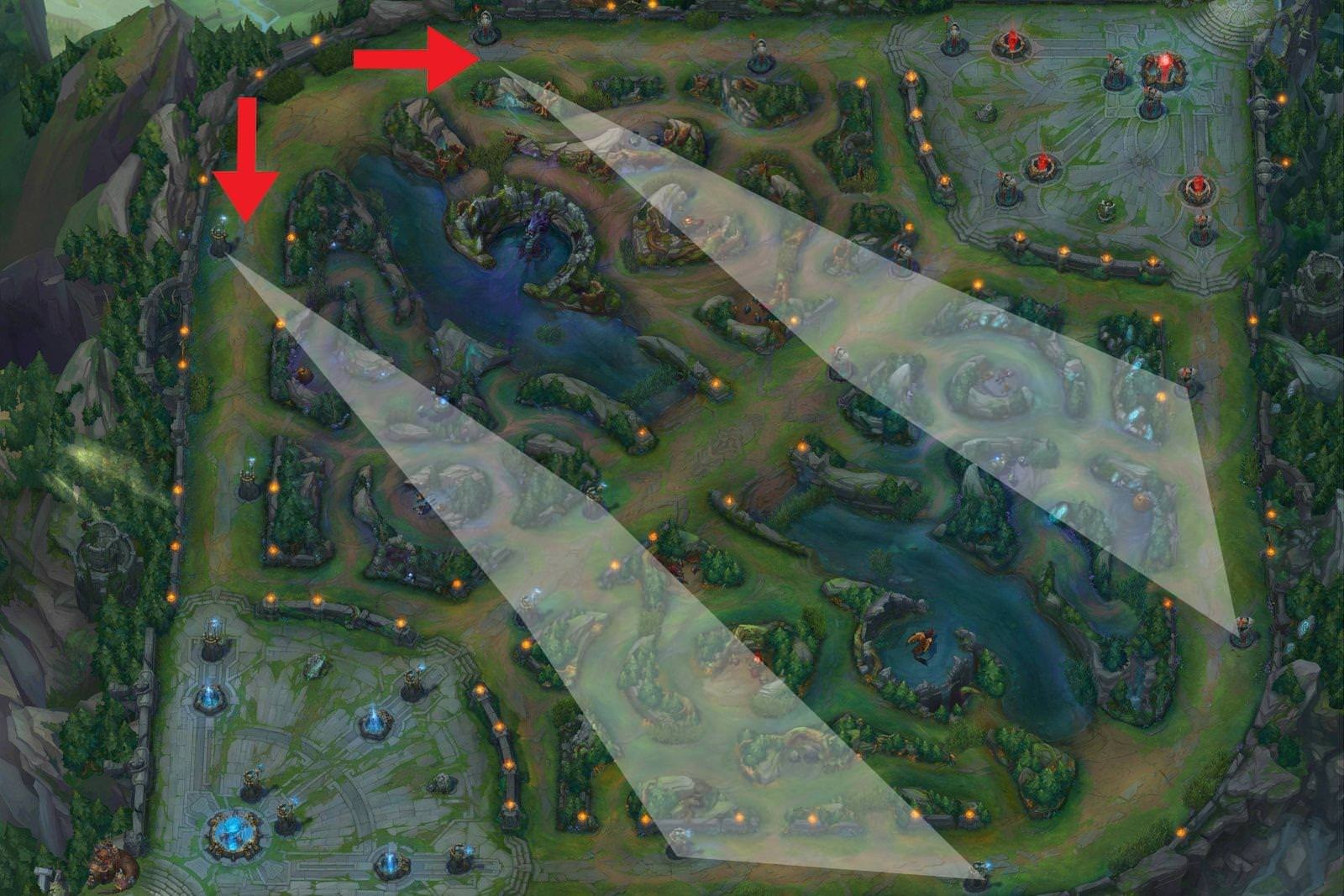
Il divario tra Diamond e Master non sta nelle abilità manuali. Entrambi i giocatori centrano lo skillshot. Il giocatore Master ha impiegato i 40 secondi prima dello scontro in modo diverso: si è riposizionato, ha acquistato oggetti, ha eliminato un’ondata di minion, si è diretto verso l’obiettivo con la visione già attiva, mentre il giocatore Diamond stava dimostrando la propria superiorità in un 1v1 nella corsia laterale.
Ogni decisione macro risponde a una domanda: cosa fa vincere questa partita? Se c’è un top laner ben alimentato, si gioca in pressione laterale e si evitano gli scontri 5v5. Se c’è un ADC che scala bene, si scambiano gli obiettivi invece di ribaltarli. Una partita si perde combattendo lo scontro sbagliato molto più spesso che perdendo la corsia.
Gestione delle ondate e ritmo
Ogni decisione sulle ondate deve avere uno scopo preciso. Abbattile rapidamente per tornare alla base. Spingi lentamente per preparare un dive o un obiettivo. Fermale per affamare un counterpick. Se non riesci a definire lo scopo, stai semplicemente colpendo i minion.
Ricordati bene questo: tre ondate valgono più oro di un’uccisione. Un'ondata senza cannone vale circa 105 d'oro, un'ondata con cannone circa 165, mentre un'uccisione ne vale 300 o più; quindi un reset pulito con un'ondata accumulata batte quasi sempre uno scontro dall'esito incerto, e non ti costringe a un timer di 45 secondi durante la comparsa degli obiettivi. La maggior parte delle "valanghe" che portano al Diamante inizia con qualcuno che si allontana da un'ondata in arrivo per assistere a uno scontro.
Tracciamento della giungla e visione che si ripagano da sole
La maggior parte dei giocatori Diamond reagisce al jungler nemico. I giocatori esperti sanno già dove si trova. Bastano tre informazioni: da dove è partito, quanto velocemente pulisce i campi e quando ricompaiono i suoi campi (2:15 per i campi regolari, cinque minuti per i buff). Se ha ripulito i suoi accampamenti nella parte superiore del mappe intorno alle 2:00 e si è fatto vedere nella parte inferiore alle 3:20, quegli accampamenti saranno di nuovo disponibili intorno alle 4:15, ed è lì che si sta dirigendo. Segnalalo prima che arrivi, non dopo.
Posiziona le sentinelle dove ci sarà il pericolo, non dove si è svolto l’ultimo scontro, e ripulisci la fossa 60 secondi prima della rigenerazione, piuttosto che mentre cinque persone ci stanno sopra. I jungler che vogliono che i loro percorsi vengano analizzati correttamente ottengono i risultati più rapidi dal coaching nella giungla, perché il tracciamento è l’unica abitudine che è davvero difficile da imparare da soli.
Soluzioni specifiche per ruolo che fanno davvero salire i LP in Diamond
Un errore per ruolo, direttamente dalla pila delle analisi dei VOD.
Top laner: vinci la corsia ma non ne trai mai vantaggio. Un vantaggio di 2.000 oro che rimane nella corsia superiore non vale nulla. Spendilo in giocate con TP, in torri dall’altra parte della mappa e in split push mirati.
Mid laner: vinci la priorità e non la capitalizzi mai. La priorità è una valuta, non un trofeo. Spendila per un roam, per preparare un dive o per ottenere visione nella giungla nemica prima che compaiano gli obiettivi. Spingere e restare lì fermo significa giocare da mid a livello Emerald con meccaniche da Diamond, che è esattamente l’abitudine che l’allenamento per il mid lane esiste per correggere.
Giocatore della giungla: segui i tuoi tempi di pulizia invece di quelli del nemico. Capisci dove deve trovarsi, poi prendi il campo che non può contendere.
ADC: il tuo eroe perde più LP di quanti ne guadagni. Raggiungi i picchi di potenziamento degli oggetti, posizionati in vista del fianco in arrivo e considera il fatto di essere ancora in vita dopo 30 secondi di combattimento come una mossa vincente.
Supporto: smetti di inseguire una corsia bot ormai persa. Allontanati presto da lì, poi, a partire dal 20° minuto di gioco, resta uno schermo dietro al tuo carry sul lato da cui arriva l’engage, lancia lo scudo in anticipo invece di avventurarti nel raggio d’azione.
Proteggi la tua salute mentale, i tuoi LP e il tuo rango

Il tilt è una perdita misurabile di LP. Due sconfitte di fila e la tua percentuale di vittorie scende di circa un punto, e i giocatori che non si prendono alcuna pausa se la passano peggio. Stabilisci un limite di perdita, chiudi il client e torna domani. Mettiti in coda solo quando sei davvero concentrato, il che significa niente streaming su Twitch sul secondo monitor e niente partite alle 2 del mattino mezzo addormentato. Metti in muto la chat al primo litigio e comunica con i ping, che sono più veloci e non fanno tiltare nessuno.
Altre due cose che non vanno bene in questo rango. Uno smurf qui non ti insegna nulla, poiché dominare le lobby a basso Elo rafforza proprio quell’avidità che il rango Diamante punisce. E quando ti annoi, quello è un segnale. Cambia ruolo per una settimana o prenditi una pausa, così potrai goderti di nuovo il gioco invece di sprecare 30 partite contro un muro.
Se decidi di prenderti quella pausa, accumula prima le tue partite. Il Diamante inizia a diminuire dopo 28 giorni di inattività; ogni partita classificata aggiunge 7 giorni in più, fino a un massimo di 28 giorni, e una volta che il credito si esaurisce, perdi 50 LP al giorno. Quattro partite prima di una vacanza proteggono un mese di lavoro.
Niente di tutto questo è affascinante. Stasera apri le tue ultime 10 partite, registra le morti, individua lo schema ricorrente e porta quell’elemento nella coda di domani. I giocatori che raggiungono la vetta di questo livello non sono quelli che hanno trovato un campione migliore. Sono quelli che hanno individuato l’errore commesso in ogni partita e hanno smesso di ripeterlo.
Domande frequenti
Si può essere retrocessi da Diamante a Smeraldo?
Sì, non c’è un limite minimo permanente. A 0 LP in Diamante IV, hai a disposizione alcune partite di protezione dalla perdita di livello in base al tuo MMR. Continua a perdere e scenderai, arrivando a 25, 50 o 75 LP in Smeraldo I a seconda di quanto il tuo MMR sia distante dal tuo rango. Anche il decadimento in classifica può farti scendere a 0 LP.
Quante partite ci vogliono per passare dal Diamante IV al Maestro?
Quattro divisioni corrispondono a 400 LP netti. Con una base di più o meno 20, ciò equivale a circa 200 partite con una percentuale di vittorie del 55% e a circa 500 partite con una percentuale del 52%. Se il tuo MMR è superiore al tuo grado, otterrai circa +28 per ogni vittoria e -13 per ogni sconfitta, il che riduce notevolmente il tempo necessario.
Con chi puoi giocare in coppia quando sei in Diamond?
Da Diamante IV a Diamante II puoi giocare in coppia con chiunque da Smeraldo II a Diamante II. Diamante I è più restrittivo e permette di giocare solo con giocatori entro 200 LP. Quindi un amico D4 e uno D1 non possono giocare insieme, anche se entrambi i profili indicano Diamante.
Saltare una selezione di squadra sfavorevole danneggia il tuo MMR?
Al di sotto del livello Master, no. Evitare la partita costa solo LP e tempo: 5 LP e un blocco di 6 minuti per la prima volta, 15 LP e 30 minuti per la seconda, poi 15 LP e 12 ore per la terza, con il livello di penalità che si riduce ogni 24 ore. A partire dal livello Master, evitare una partita costa 20 LP e influisce sul tuo MMR.