
Il livello Oro è attualmente il più numeroso in League of Legends, con circa il 24% dei giocatori classificati, seguito dal livello Argento con il 21% nell’attuale distribuzione della coda in solitaria.
Metà della classifica è concentrata in due livelli, e quasi nessuno di quei giocatori è bloccato a causa delle meccaniche di gioco.
Sono bloccati perché ripetono le stesse sette decisioni in ogni partita.
Il rango dipende dalla percentuale di vittorie, e la percentuale di vittorie dipende dalle scelte che già controlli.
Salire di livello è un problema di percentuale di vittorie, non un problema di compagni di squadra
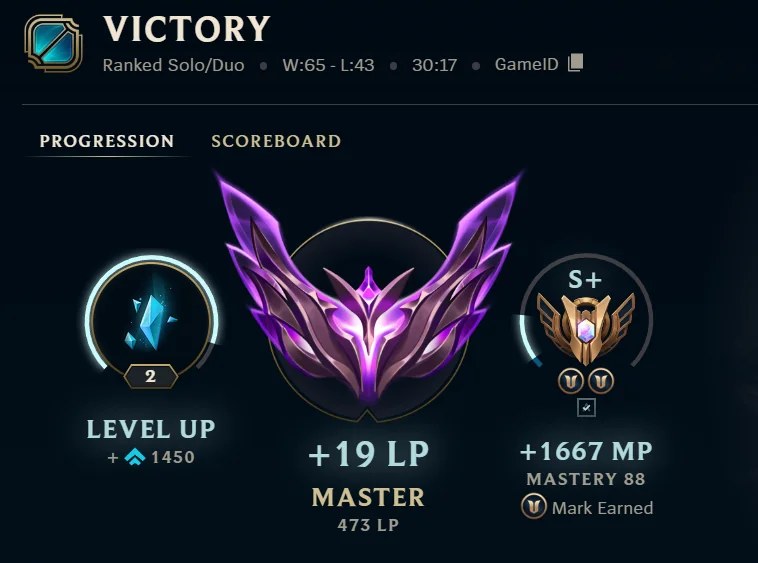
Quando il tuo MMR corrisponde al tuo grado visibile, guadagni e perdi circa 20 LP a partita. Vinci 55 delle tue prossime 100 partite classificate e ottieni un saldo netto di +200 LP, che corrispondono a due divisioni. Se ti attieni al 50%, puoi giocare mille partite e finire dove hai iniziato.
La scusa dei compagni di squadra segue la stessa logica. Su 300 partite, i tuoi 1.200 compagni di squadra casuali e i 1.500 avversari casuali si livellano in media alla stessa qualità. Tu sei l’unica costante nella lobby. La SoloQ è un lancio di moneta su cinque partite e una classifica su 300.
Prima di continuare a leggere, prendi quattro dati dalle tue ultime 20 partite classificate: morti per partita, CS al livello 10, differenza di oro al livello 15 e partecipazione agli obiettivi. Uno di questi dati è peggiore degli altri, ed è proprio quello che ti impedirà di scalare la classifica. Tutto ciò che segue è ordinato in base agli LP per ora di gioco.
Riduci il tuo pool di campioni e attieniti a un unico ruolo
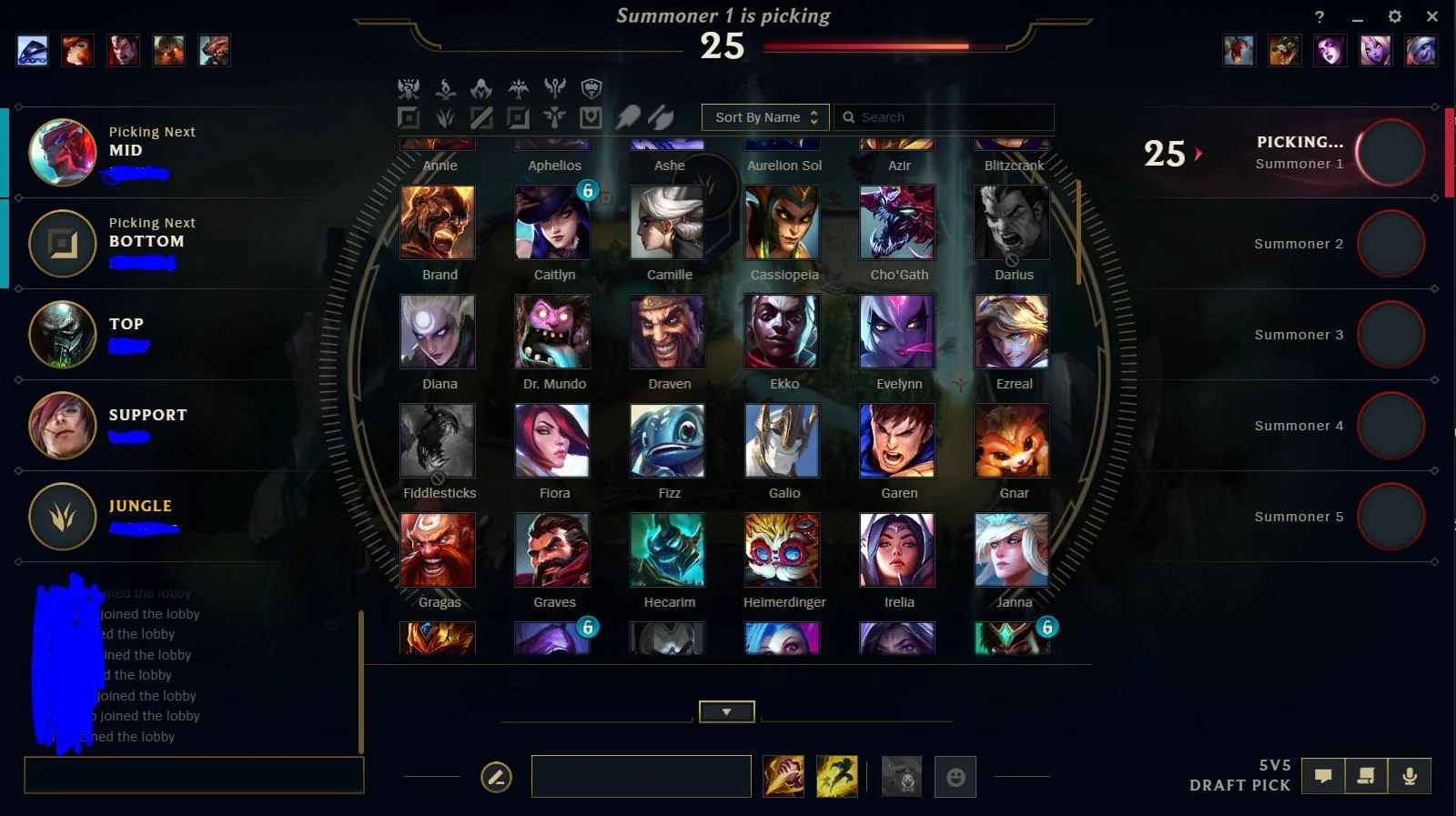
Due o tre campioni nel tuo ruolo principale, uno nel ruolo secondario. Questo è il limite massimo.
La regola di eliminazione: qualsiasi campione con meno di 30 partite in questa stagione, o con una percentuale inferiore al 50% su 30 o più partite, va eliminato. Lo stesso vale per qualsiasi scelta che svolga lo stesso ruolo di uno che già giochi. Un pool di campioni ridotto funziona solo quando le scelte coprono problemi diversi.
Un ruolo principale, sempre. Il riempimento automatico continua a verificarsi, ed è per questo che il tuo ruolo di riserva deve essere ricoperto da un vero campione invece che da una scelta di ripiego. A partire dalla patch 26.15, una vittoria ottenuta con il riempimento automatico frutta il doppio degli LP senza alcun grado di maestria richiesto, quindi le partite che prima consideravi da scartare ora rappresentano gli LP più economici del tuo account.
Come scegliere i due o tre campioni che vale la pena tenere
Apri op.gg e ordina per partite giocate. Una percentuale di vittorie del 62% su nove partite è irrilevante. Una percentuale di vittorie del 53% su 80 partite indica un campione principale.
Poi chiediti cosa copre ogni scelta: un campione selezionabile alla cieca che non viene mai contrastato in modo efficace, uno che risponde al matchup in cui perde e al massimo una scelta meta per quando il draft lo richiede. Se il tuo campione di comfort viene bandito ogni tre partite, quello è il tuo numero due, che si guadagna il suo posto.
Un campione di terzo livello con un'unica mossa batte una scelta di primo livello che hai visto su YouTube. Prova le nuove scelte nelle partite normali, mai in quelle classificate.
La gestione delle ondate è il modo più economico per guadagnare LP
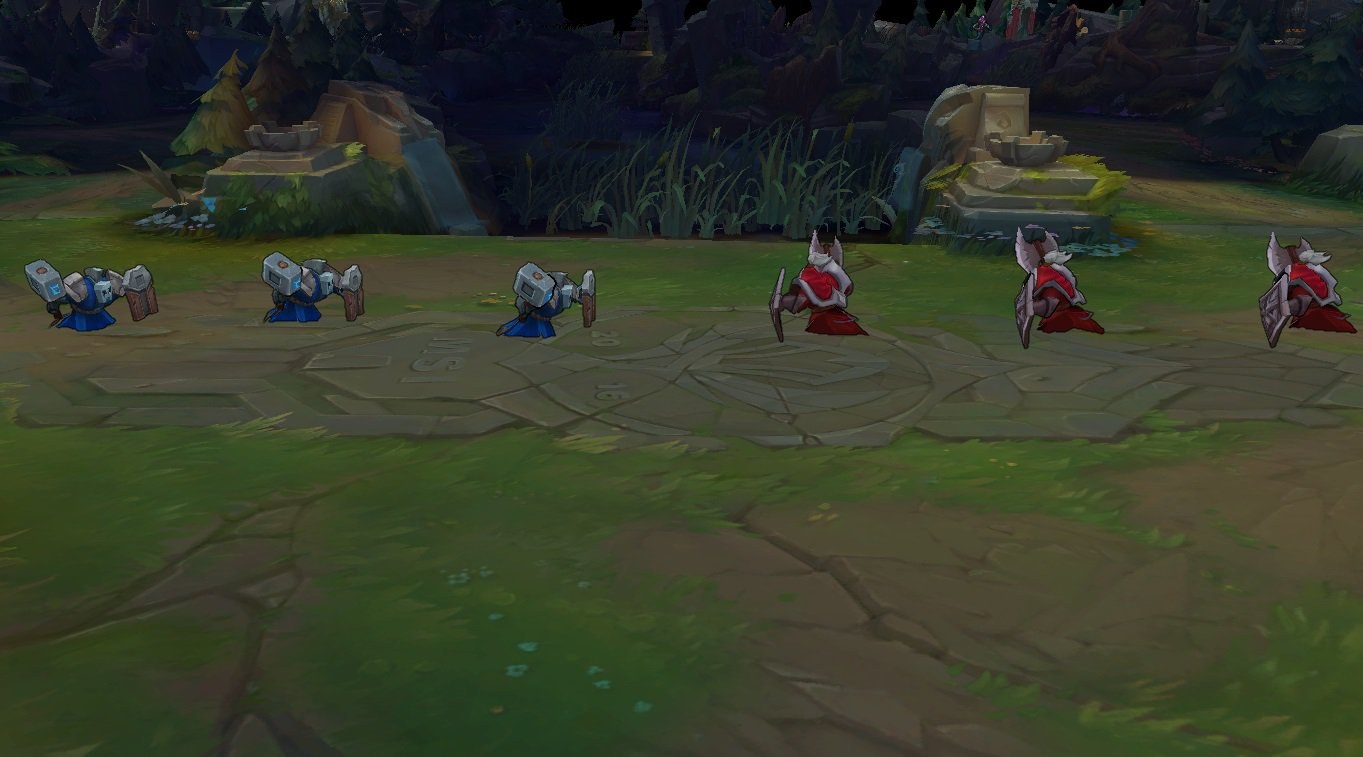
La maggior parte dei giocatori in corsia considera l’ondata di minion come semplice scenografia. È l’elemento più controllabile del gioco, e le modifiche alle corsie del 2026 ne hanno aumentato il valore: le ondate accelerano fino a ogni 25 secondi dopo 14 minuti, il primo cannone arriva con la terza ondata e le piastre delle torri non scadono più al traguardo dei 14 minuti. Impara a riconoscere tre stati delle ondate come segnali d’allarme, non come definizioni.
Bloccati quando l’ondata nemica è più numerosa di tre minion e vuoi che la corsia rimanga ferma fuori dalla tua torre. Fattore scatenante: sei di livello inferiore, oppure il jungler nemico è stato avvistato l’ultima volta nella tua metà della mappa. Questo ti garantisce CS ed XP sicuri mentre loro si imbattono nel tuo jungler o perdono farm.
Spingi lentamente verso la zona di spawn di un obiettivo. Uccidi solo i minion che morirebbero comunque, lascia che l’ondata si accumuli, poi schiantala 20 secondi prima dell’obiettivo. Con il Barone di nuovo disponibile alle 20:00, l’ondata che inizi a costruire alle 18:30 arriva esattamente quando inizia lo scontro.
Spinta veloce e reset quando sei a pochi punti vita, a un richiamo da un oggetto o se vedi che le placche sono attive. Fai schiantare l’ondata, prendi quello che puoi e torna indietro senza perdere CS. Quel reset è un vantaggio in oro che trasforma uno scambio positivo in una valanga.
Cosa fare quando si perde il matchup
Perdere la corsia non è il problema. Morire cinque volte in un matchup che sapevi essere sfavorevole sì. Contro un all-in potente come Darius su una scelta che scala, trattieni l’ondata vicino alla tua torre, prendi CS sicuri e rinuncia alle piastre piuttosto che alla tua vita.
Posiziona l’onda in modo che sia possibile ricevere aiuto: un’onda ferma nella corsia centrale con la tua barra della salute piena è un gank verso cui il tuo jungler può dirigersi. I giocatori della corsia superiore vivono e muoiono per questo, ed è per questo che l’allenamento per la corsia superiore inizia con lo stato dell’onda molto prima che si tocchi una singola combo.
Gioca tenendo conto dei picchi di potenza, dei timer della giungla e degli obiettivi
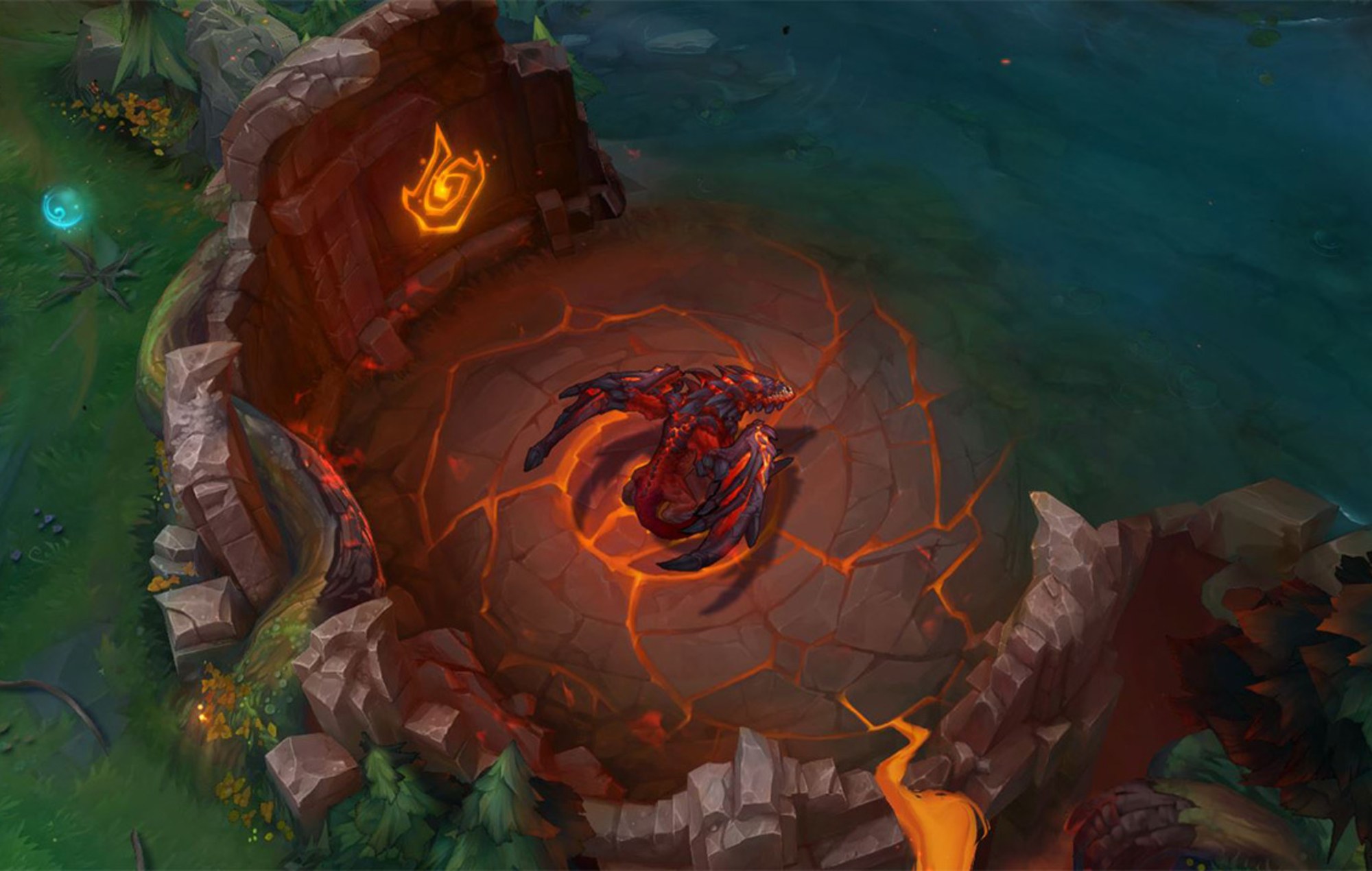
La macro diventa più semplice una volta accettato che le uccisioni sono un mezzo, non l’obiettivo. Stabilisci una condizione di vittoria prima che i minion compaiano: analizza entrambe le composizioni e rispondi chi vince a 20 minuti e chi vince a 35. Vinci in fase avanzata e sopravvivi e scali; vinci in fase iniziale e ogni ondata che spingi è il piano.
Combatti quando si verificano due condizioni: il tuo picco di potenza è attivo e il jungler nemico è sotto controllo. Se non lo vedi per 30 secondi, significa che è alle tue spalle. Questa semplice abitudine elimina la maggior parte delle morti che tengono i giocatori con Elo basso in quella fascia.
Anche le missioni di ruolo del 2026 sono picchi di potenza: il mid ottiene stivali di terzo livello gratuiti e un richiamo più veloce, il top ottiene un Teletrasporto potenziato e l’ADC ottiene un settimo slot per gli stivali. Sfrutta quelle finestre per fare la differenza invece di limitarti a farmare in automatico.
Poi convertite. Un vantaggio in oro che non si trasforma mai in una torre, un grub o un drago è solo un numero sul tabellone. Le partite combattute vanno a chi ha scambiato la pressione con gli obiettivi, ed è per questo che un buon coaching nella giungla è soprattutto una questione di ritmo piuttosto che di velocità di pulizia.
Correggi il tuo tilt e la tua sessione prima delle tue meccaniche
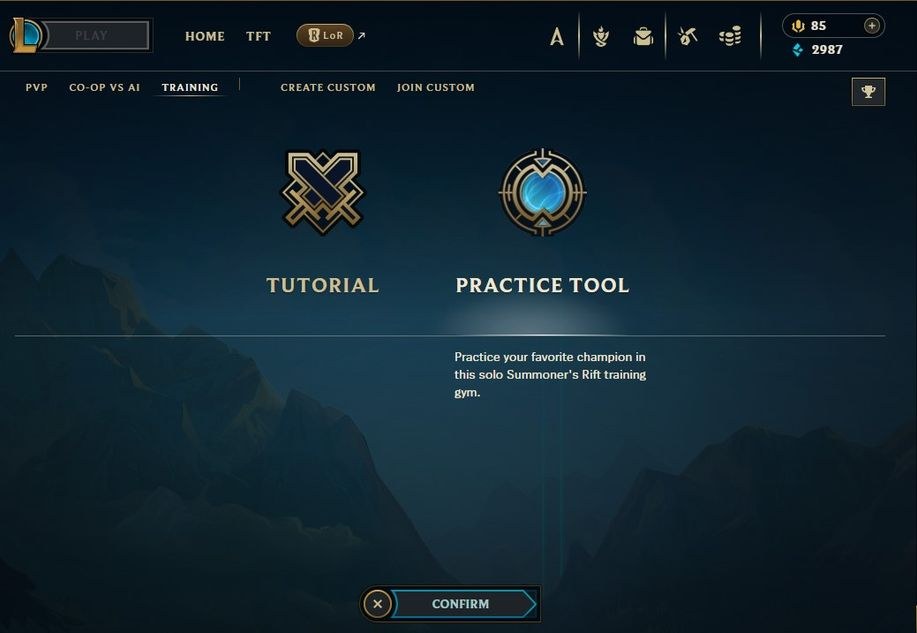
Le regole ferree battono la forza di volontà. Limita la sessione a cinque partite classificate. Fermati dopo due sconfitte di fila, non dopo cinque. Disattiva l’audio a tutti durante la selezione dei campioni per impostazione predefinita, non come punizione, perché non puoi leggere un ping e seguire una discussione allo stesso tempo. Riscaldati prima della prima partita con dieci minuti nello strumento di allenamento o in una partita normale.
La qualità delle decisioni cala molto prima che lo facciano le meccaniche. L'ottava partita sembra identica nelle tue mani, ma è sensibilmente peggiore nella tua testa: è così che una lunga maratona finisce al livello di LP da cui è partita. Durante una serie di sconfitte, prenditi una pausa. La classifica sarà aperta domani.
Rivedi le tue partite come farebbe un allenatore
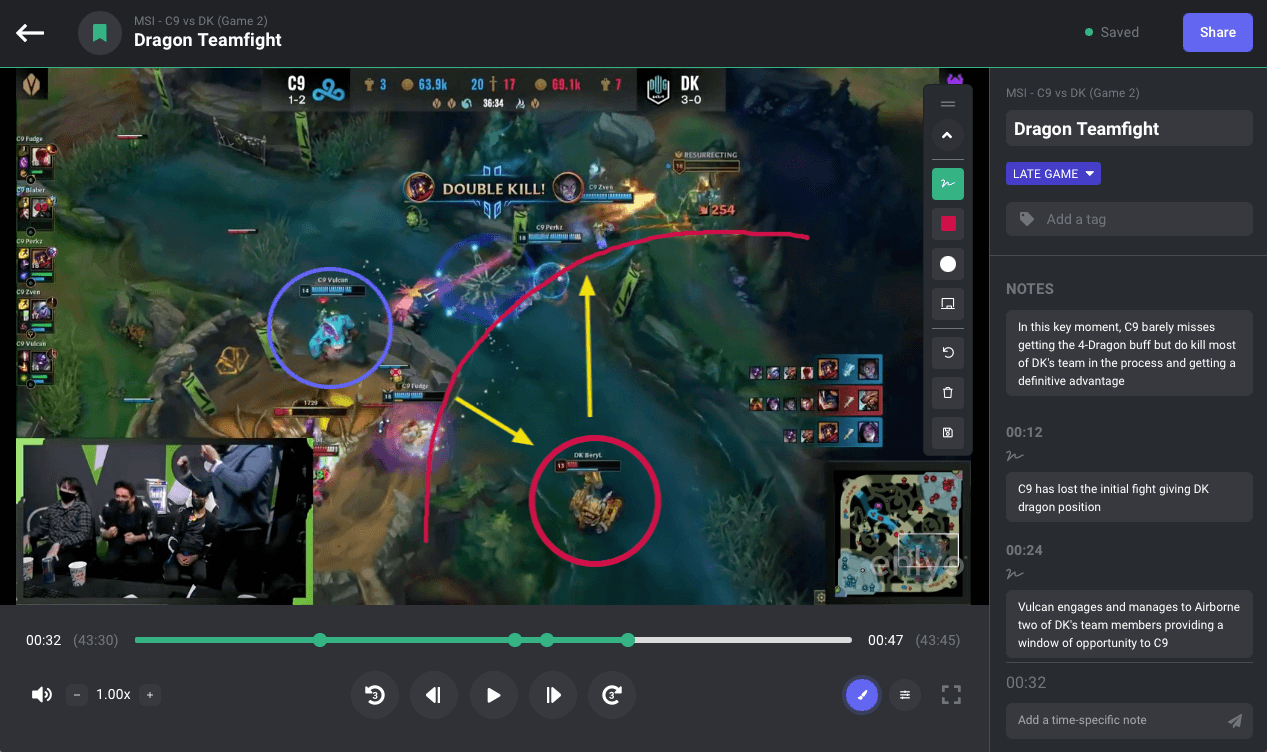
Guardare i replay non è un metodo. Questo sì: una sconfitta, un timer di 15 minuti, tre punti temporali fissi. Ad ogni morte, chiediti cosa stavi controllando dieci secondi prima. Il tuo primo ritorno alla base: sei tornato alle tue condizioni o alle loro? L’ultima comparsa dell’obiettivo, chiediti dove ti trovavi e dove fosse la tua ondata.
Concludi con una frase su cui puoi agire: non «ho giocato male», ma «ho fatto fallire l’ondata e mi sono avvicinato al drago senza visibilità». Il KDA è il risultato, non la decisione.
Il limite reale: l’autovalutazione rileva solo gli errori che sai già essere tali, mentre le abitudini che ti tengono nel tuo tier sono, per definizione, invisibili. Se vuoi migliorare più velocemente di quanto permetta il metodo per tentativi ed errori, prenota una sessione con un coach di alto livello e lascia che guardi la partita che pensavi di aver giocato bene. Dai anche un’occhiata alle note di aggiornamento ogni ciclo, perché metà dei tuoi compagni di lobby non lo fa, e quel vantaggio è gratuito.
Cosa cambia man mano che sali di livello: da Ferro a Smeraldo
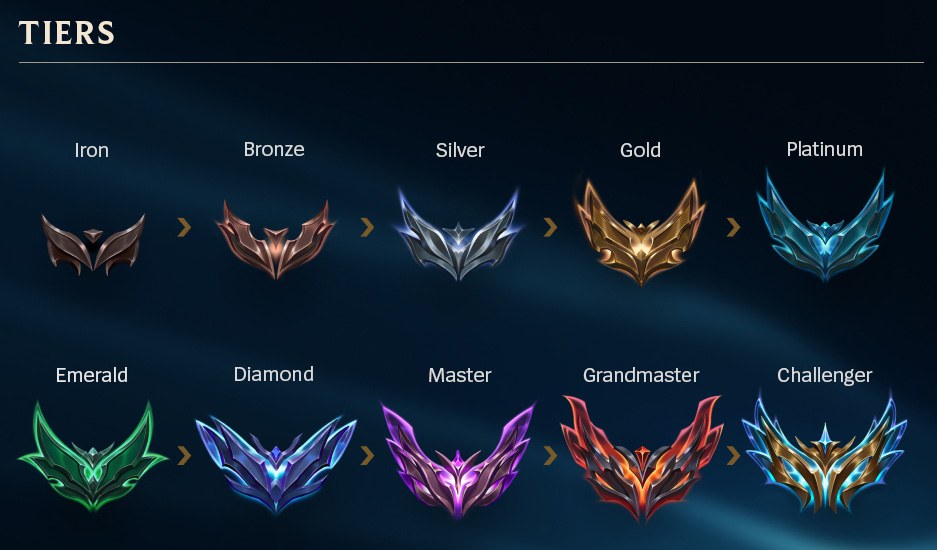
Da Iron a Silver: porta a termine la partita e smetti di morire. Punta a 5,5 CS al minuto, meno di cinque morti, e tirati indietro non appena una corsia va persa. La maggior parte delle sconfitte in Bronze e Silver sono regalate, non perse.
Da Gold a Platinum: le meccaniche smettono di essere il punto debole. Lo stato delle ondate e il tempismo degli obiettivi decidono queste partite. Punta a 7 CS al minuto, meno di quattro morti e conosci il timer del prossimo drago senza bisogno di controllare.
Smeraldo: priorità delle corsie e ritmo di gioco. Qui tutti conoscono i fondamenti, ma li mettono in pratica in ritardo. Punta a 8 CS al minuto, un punteggio di visione di uno al minuto come giocatore in corsia singola e una condizione di vittoria che puoi dichiarare ad alta voce entro i 15 minuti. Mantieni questi livelli e il Diamante sarà una formalità.
Le scorciatoie che ti costano il rango e l’MMR
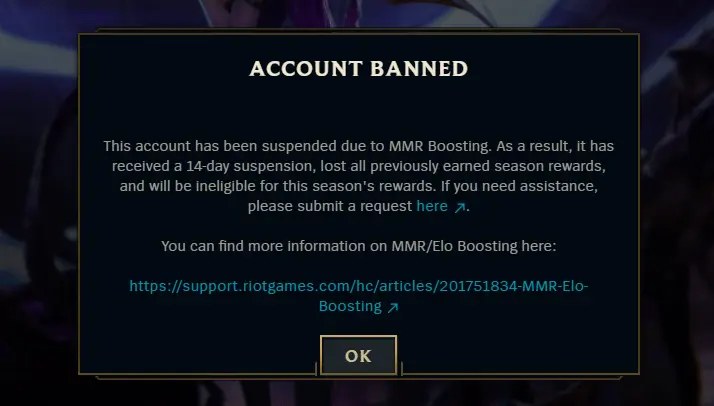
L’acquisto di un account, il boosting e lo smurfing per recuperare il livello spostano solo il badge, lasciando le tue abilità al punto di partenza. La politica di Riot sulle penalità per il boosting prevede tre giorni di sospensione, poi 14, e infine la sospensione permanente; annulla i LP e l’MMR guadagnati e collega le penalità tra tutti i tuoi account. La scalata richiede alcune centinaia di partite su qualsiasi account, quindi gioca su quello a cui tieni davvero.
Domande frequenti
Qual è il ruolo con cui è più facile scalare la classifica nella coda in solitaria? Il jungler e il mid, perché sono quelli che hanno maggiore autonomia: il jungler influenza tutte e tre le corsie oltre a ogni obiettivo, mentre il mid decide quando si apre una finestra per spingere e vagare. L'ADC e il supporto dipendono da un compagno di corsia che non hai scelto tu. Scegli quello con cui riesci a giocare cinque partite di fila senza odiarlo.
La coda in coppia aiuta davvero a scalare la classifica? Solo con una vera sinergia a un rango simile, come jungla e mid o una vera coppia di bot. Riot ha limitato le coppie in Master a un divario di 400 LP e ha bloccato le coppie in Grandmaster e Challenger nella patch 26.15, il che dimostra che le coppie influenzano la qualità delle partite ai vertici della classifica. Una coppia che va fuori di testa insieme è peggio di una partita casuale.
Vale la pena subire la penalità di LP per evitare una selezione di campioni sbagliata? Spesso sì. Un primo "dodge" costa 5 LP e sei minuti; una sconfitta costa circa 20 LP e mezz’ora, quindi evitare la partita conviene ogni volta che si valuta la partita al di sotto del 40%. Un secondo "dodge" entro 24 ore costa 15 LP e 30 minuti, e nei livelli Master e superiori un "dodge" conta come una sconfitta completa.
Perché scalare la classifica da Diamond sembra diverso rispetto a quando si parte da un elo basso? Il Diamond rappresenta circa il 4% della classifica, quindi tutti conoscono le basi e chi ha previsto i tuoi errori li punisce. I guadagni di LP diminuiscono man mano che l’MMR si avvicina al tuo rango, e il Diamond subisce una perdita graduale: 28 giorni accumulati, poi 50 LP per ogni giorno saltato.