Every League of Legends player has been told to "just slow push it." Almost nobody explains which minions to kill, when to stop hitting, or why your slow push crashed after one wave and left you under their tower with nothing to show for it. That gap is the difference between wave management and just farming.
A proper slow push in League turns 60 to 90 seconds of patience into a stacked wave that works for you while you shop, roam or take Dragon. Here's how to build one in any lane, time it around cannon spawns, and cash it in on the 2026 map.
What Is a Slow Push in League of Legends?
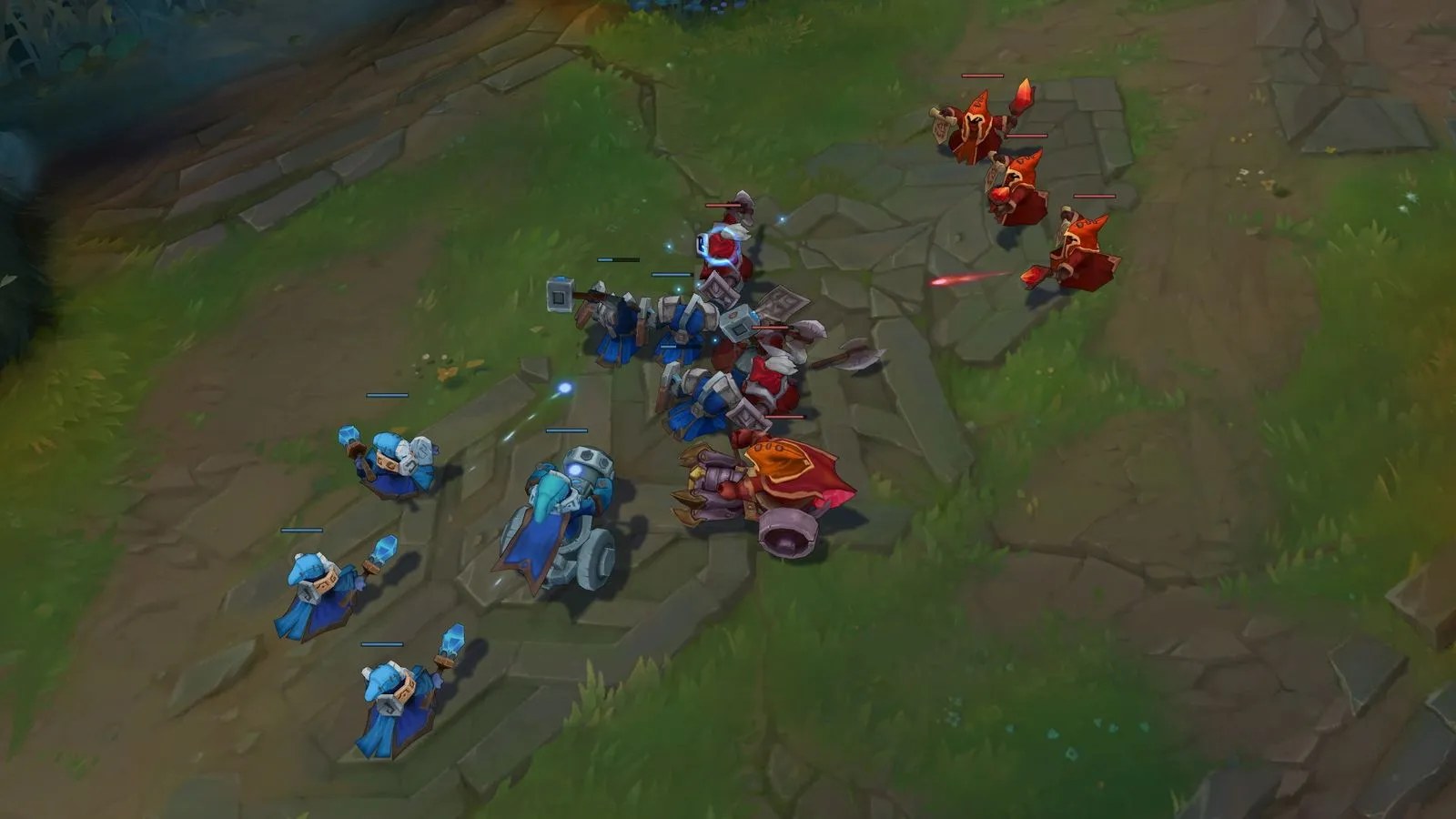
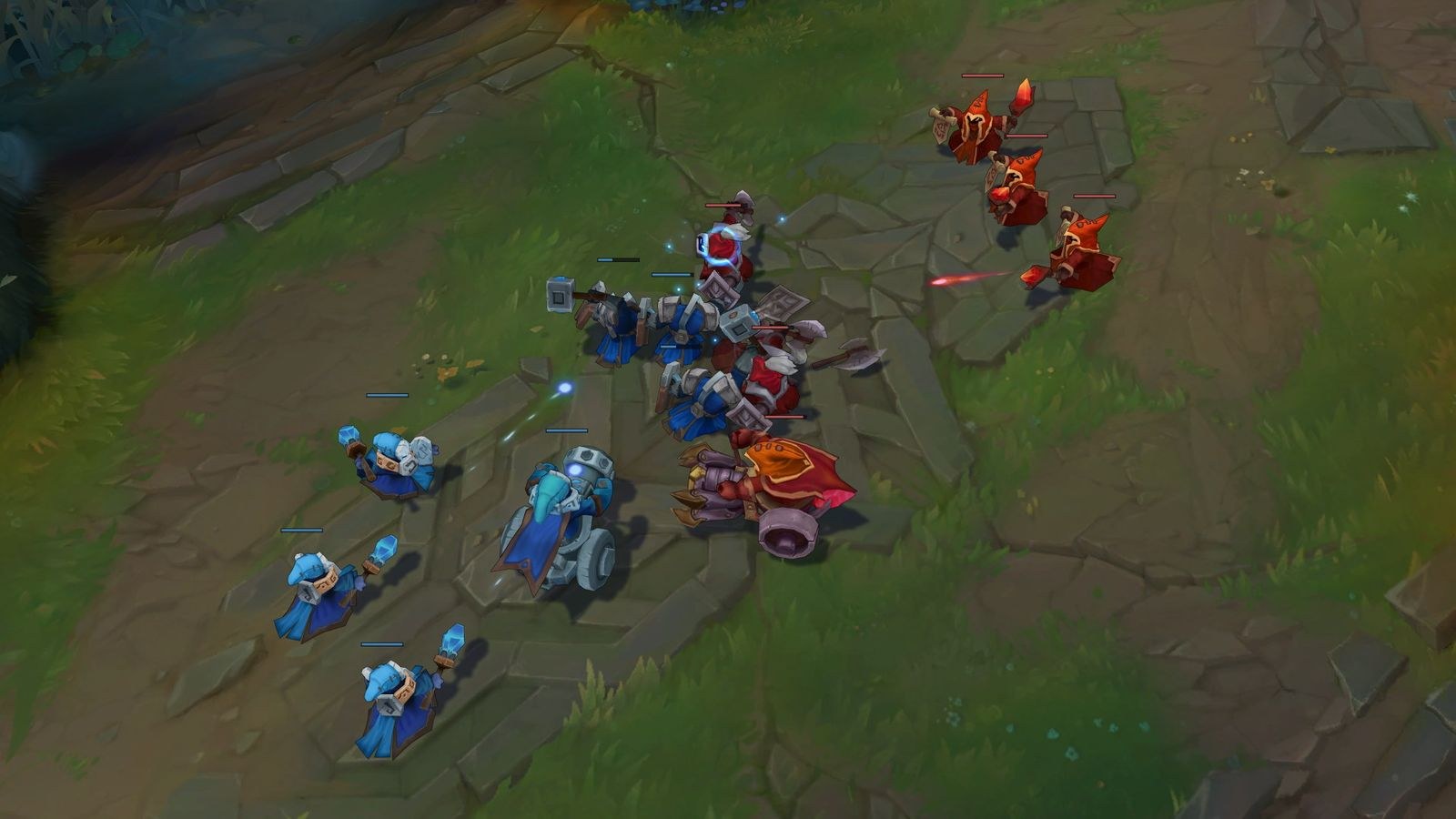
A slow push is a wave you grow on purpose instead of clearing. You kill just enough of the enemy minion wave to give your side a small minion advantage, then stop. Your minions win the fight slowly, and before they finish, the next wave arrives and joins them.
Now the leftovers form a larger wave with the fresh one, win the next fight faster and join the wave after that. The stack grows bigger every cycle until, two or three waves later, the stacked wave is big enough to crash into the enemy tower.
It works because a small edge wins the minion fight without winning it quickly. Kill too much and you get one normal crash. Kill too little and their next wave evens things out. The wave pushes slowly by design, and the whole skill is sizing that edge.
Slow Push vs Fast Push vs Freeze: Picking Between Wave States
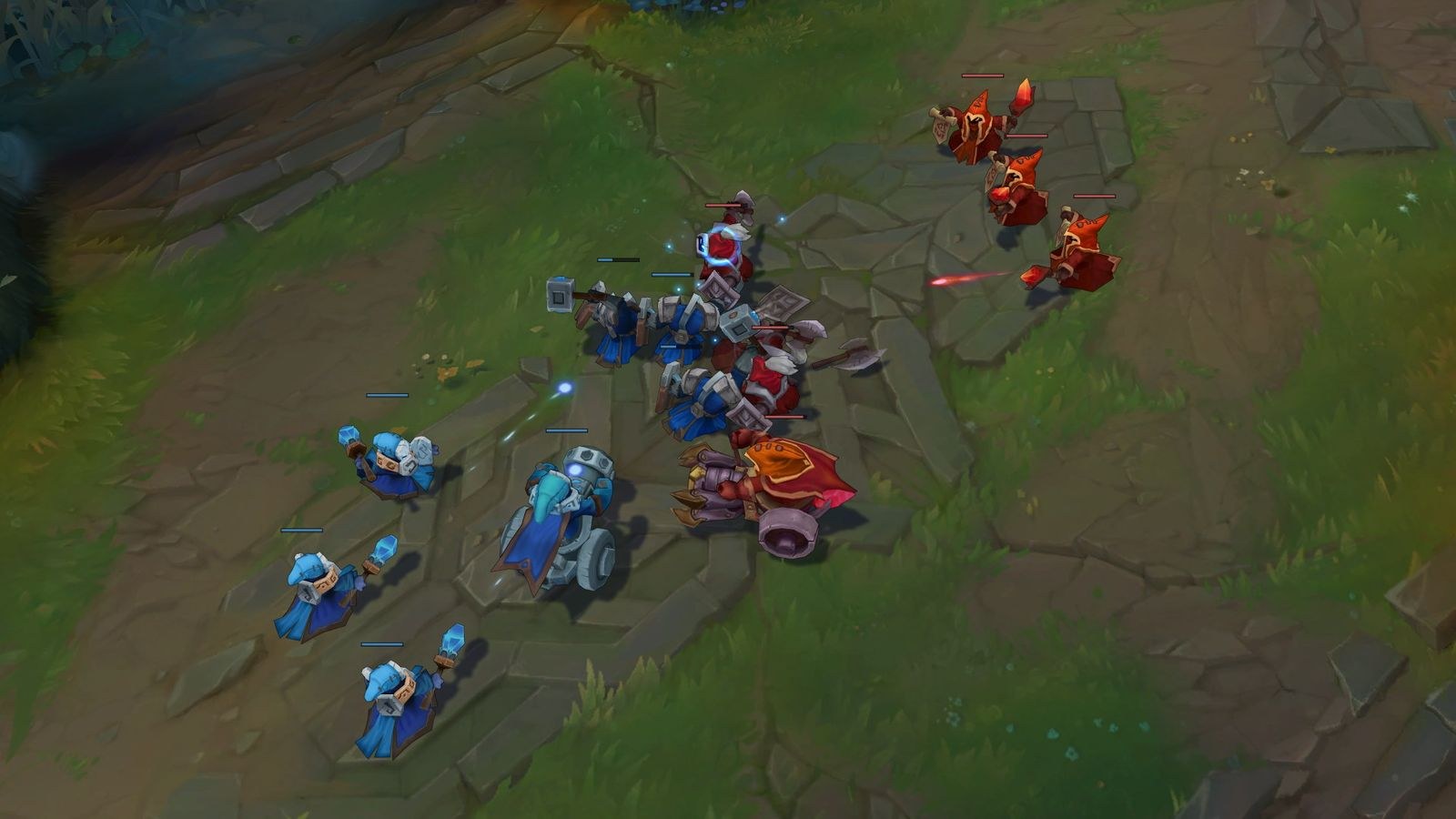
Every wave you touch ends up in one of three wave states. Players who control waves well pick one on purpose. Everyone else hits whatever's closest and lets the lane decide.
Wave state | Enemy minions you kill | Minion advantage you hold | Waves until the crash | What it sets up |
|---|---|---|---|---|
Freeze | Last hits only | None, the enemy keeps a slight edge | Never, held just outside your tower | Safe farm, denial and ganks for your jungler |
Slow push | The 3 casters, then last hits only | 2-3 extra minions (4-5 if waves meet on the enemy side) | 2-3 | Recalls, roams, objective setups, dives and plates |
Fast push | The whole wave, as fast as possible | Maximum, their wave gets wiped | The same wave | An instant recall, roam or river move |
A fast push means you push the wave into the enemy turret right now. It buys a quick window, but the enemy clears one normal wave and loses almost nothing. If you want to freeze a wave instead, that's a separate skill, and not one this guide teaches.
How to Set Up a Slow Push, Step by Step
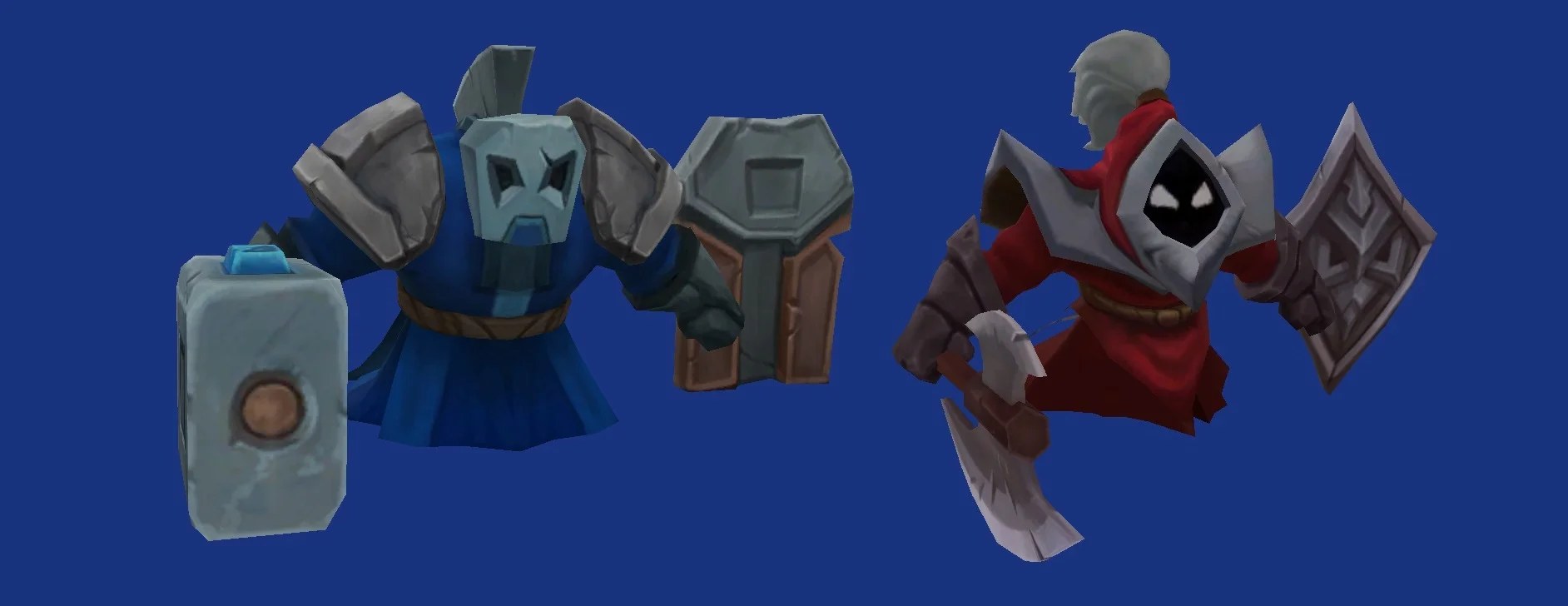
- Pick the moment. Start a slow push when waves are even or just after a crash, with minions meeting near the middle of the lane or on your side.
- Kill the 3 caster minions at the back of the enemy wave. Autos, a spell, whatever deletes them fastest.
- Leave the melees alone. From here on, you only last hit.
- Stop auto-attacking. Let your minions grind through the melees while the next wave walks up and joins them.
- Let the stack crash, ideally with a cannon in it, then leave to recall, roam or group.
Step four is where everybody fails. Standing next to a wave feels like wasting time, but you don't need to push the lane yourself.
Kill the Casters, Leave the Melees
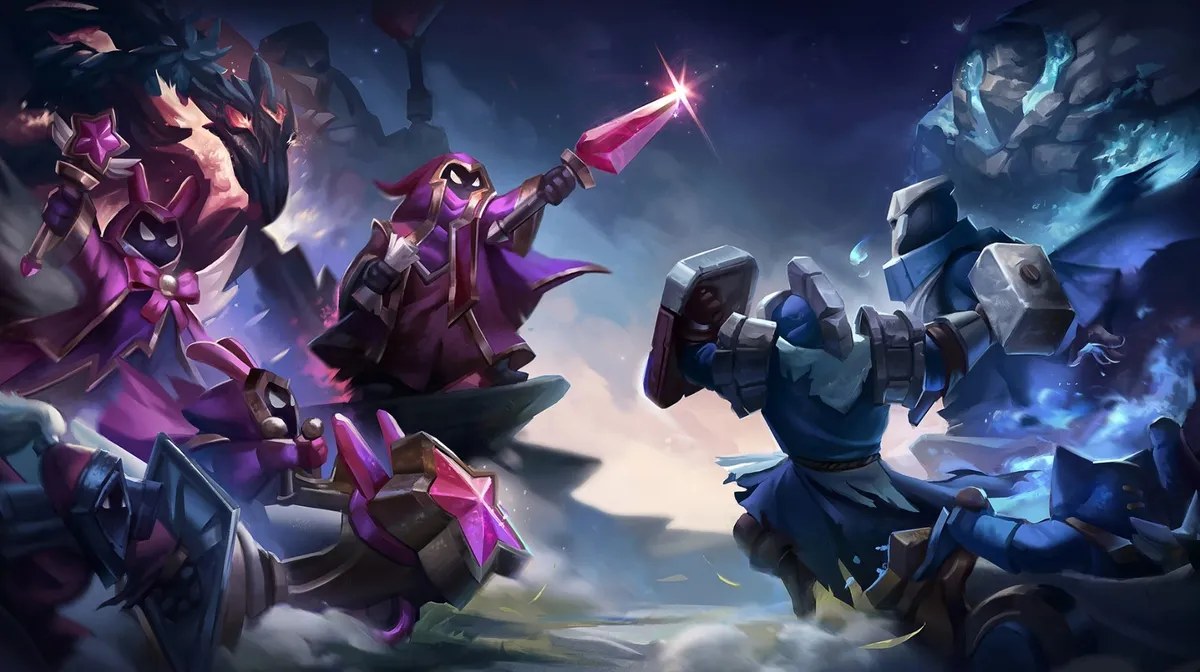
The enemy caster minions do most of the damage to your wave. They hit harder than melees and go down to a few autos or one spell.
Melees are the opposite: tanky, slow to die and not much of a threat. Killing enemy caster minions while leaving the melees alive means your wave keeps its minions alive but still needs time to chew through the enemy minions up front. That time is the slow push. Kill the melee minions too and you've fast pushed by accident.
How Big Your Minion Advantage Should Be
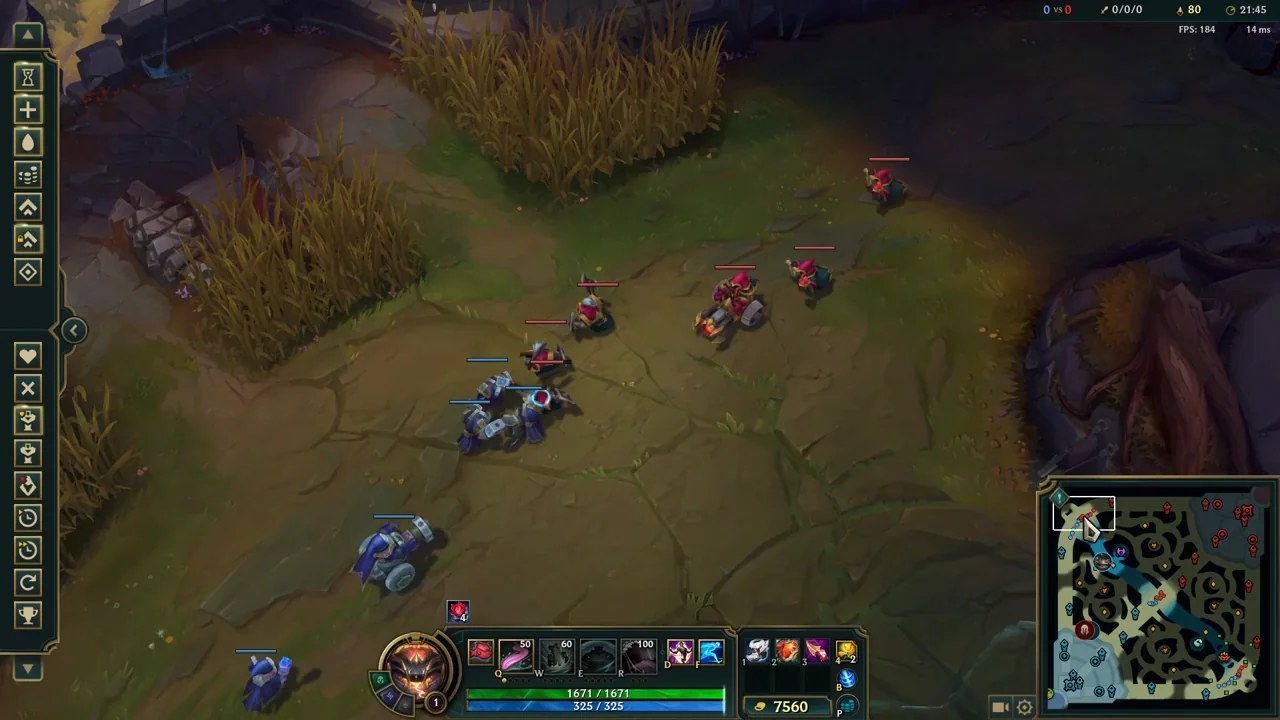
"Keep a minion advantage" is useless without a number. Here's the rule of thumb:
- Waves meeting on your side of the lane: 2-3 extra minions.
- Waves meeting on the enemy side: 4-5 extra minions.
The difference is reinforcements. Near your tower, your next wave arrives first and piles onto the survivors. Near theirs, their next wave shows up sooner and eats a small lead before your help gets there, so you need a bigger cushion.
Time the Stack Around Cannon Minion Spawns
The League of Legends Wiki lists the current spawn rules:
- First wave at 0:30, then a wave every 30 seconds until 14:00
- A wave every 25 seconds from 14:00, and every 20 seconds from 30:00
- A cannon minion every 3rd wave until 14:00, every 2nd wave until 25:00, then every wave
Before 14:00, cannon waves spawn at 1:30, 3:00, 4:30, 6:00 and every 90 seconds after, so start your slow push two waves before one. For the 6:00 cannon, thin the enemy wave when the 5:00 wave reaches it, let the 5:30 wave pile in, and your large minion wave crashes with the cannon in it. Cannons take several turret shots to die, so yours can tank tower while the rest of the wave does damage.
A 2-3 wave stack takes about 60-90 seconds before 14:00, less once spawns speed up. Late stacks are thinner, though: Patch 26.1 cut one melee from cannon waves after 14:00 and one caster from every wave at 30:00, so late-game "kill the casters" means two, not three.
When to Slow Push: Recall, Roam and Objective Windows
A slow push is pressure that keeps working while you're elsewhere on the map. Once the stack is rolling, the enemy laner can stay and deal with it or leave and lose minions and tower HP.
Before You Recall
Build the stack, let it crash, then back. While you shop, the enemy laner has to clear a big wave under their tower or let the turret eat their gold, and if they wanted to back too, they have to wait. You return to lane with items as the wave bounces back.
Before a Roam or Gank
A crashing stack opens a roam window. The enemy champion in your lane gets a miserable choice: clear the wave and let you walk off unfollowed, or follow you and leave the wave unattended under their tower, bleeding minions and turret HP.
This matters most from mid lane, where the walk to either side lane is shortest.
Before Dragon and Baron Fights
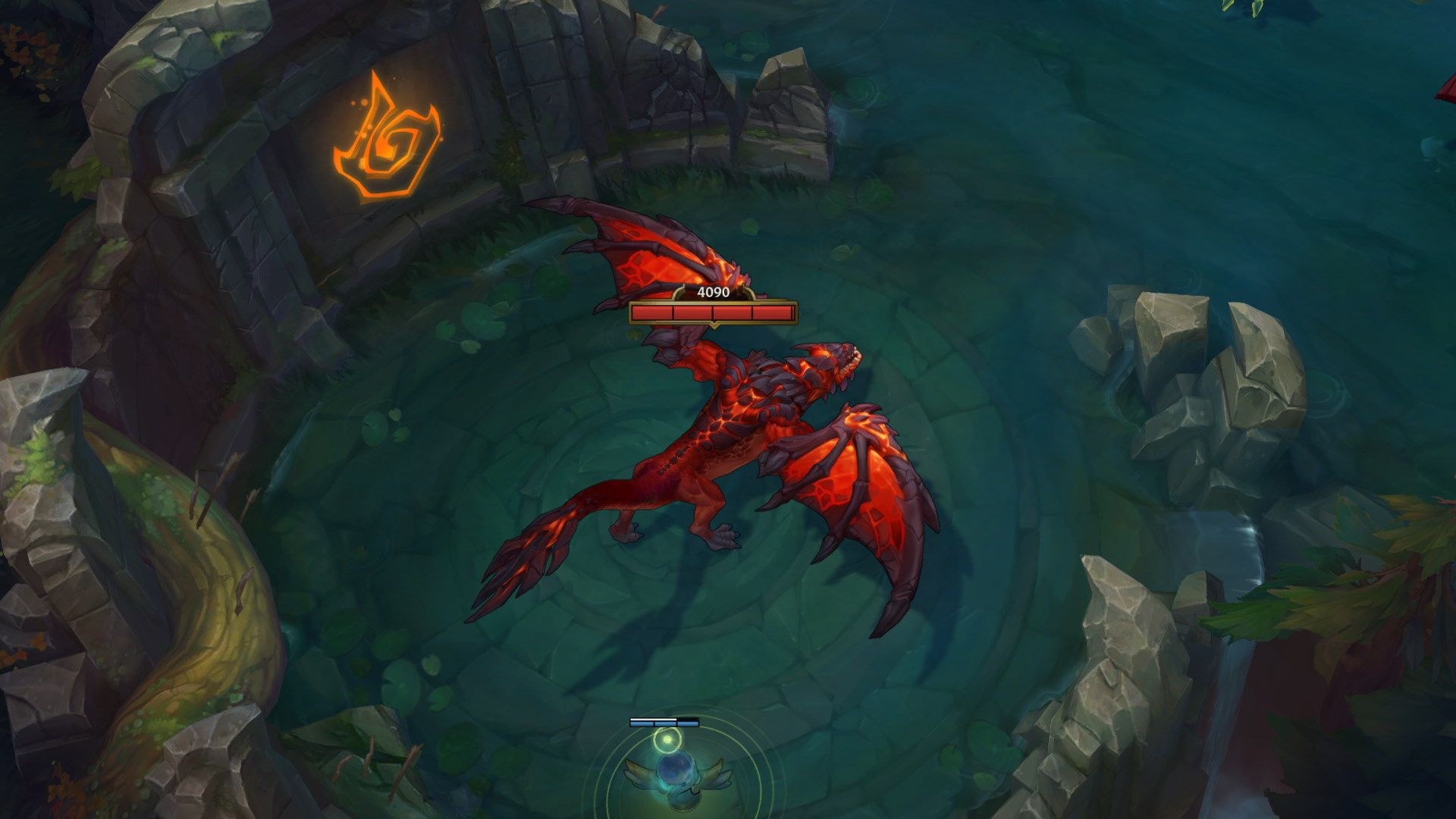
Objectives like Dragon and Baron get easier when the enemy team also has a wave problem. Slow push the nearby side lane (bot for Dragon, top for Baron) 60-90 seconds before the objective spawns, so the stack hits their tower as the fight starts.
Now they either send someone and fight a body short, or ignore it and bleed tower HP mid-fight. In the late game, a stack timed for the Baron spawn is worth more than an extra ward.
To Set Up a Tower Dive With Your Jungler
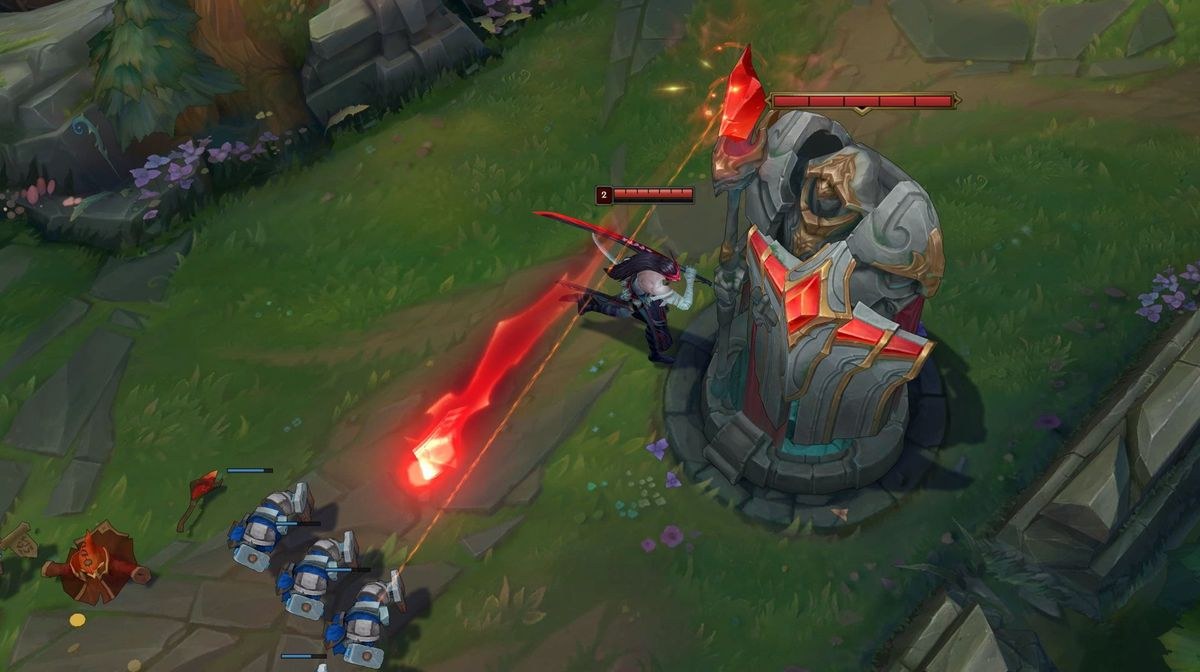
A stacked wave is a meat shield. The turret has to chew through a pile of minions first, so divers survive longer. It's the cleanest way to set up opportunities for your jungler without burning a summoner spell.
Ping your jungler as the stack starts to crash and go in once the enemy turret is locked onto minions. It switches to you the moment you hit a champion under it, so the more minions still standing, the safer it is to go in.
Using Slow Pushes for Lane Pressure in Every Role
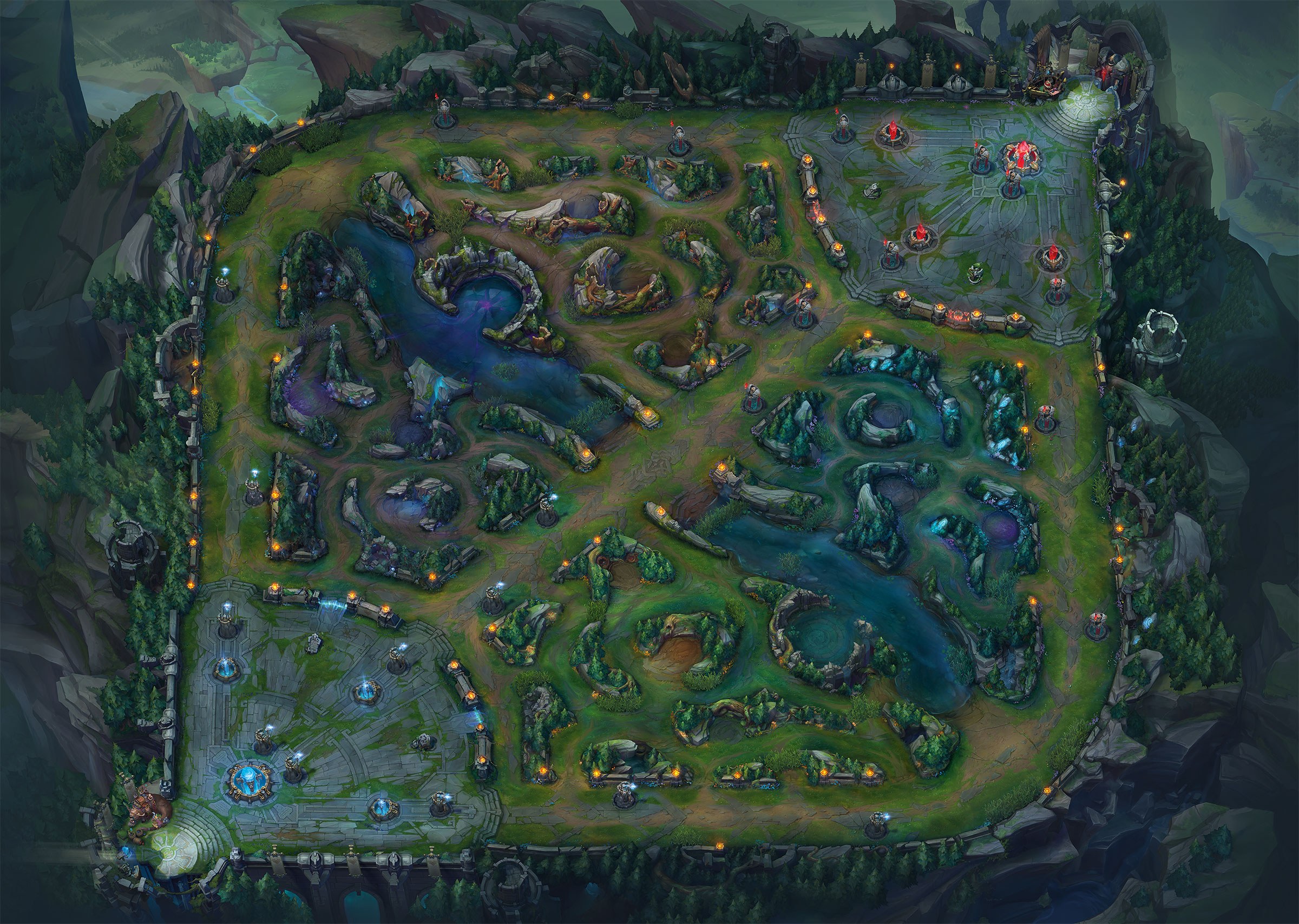
Every laner can slow push, but the lane you play changes how fast a stack builds and what it should buy you.
Top Lane
Top is a long side lane, so stacks take longer to crash and give you more time to use them. Slow push before a Teleport play or a back so the lane keeps working while you're gone. With plates now staying up past 14:00, every crash keeps turning tower damage into gold. Late game, it's how split pushing works: stack, crash, then show up on the other side of the map.
Mid Lane
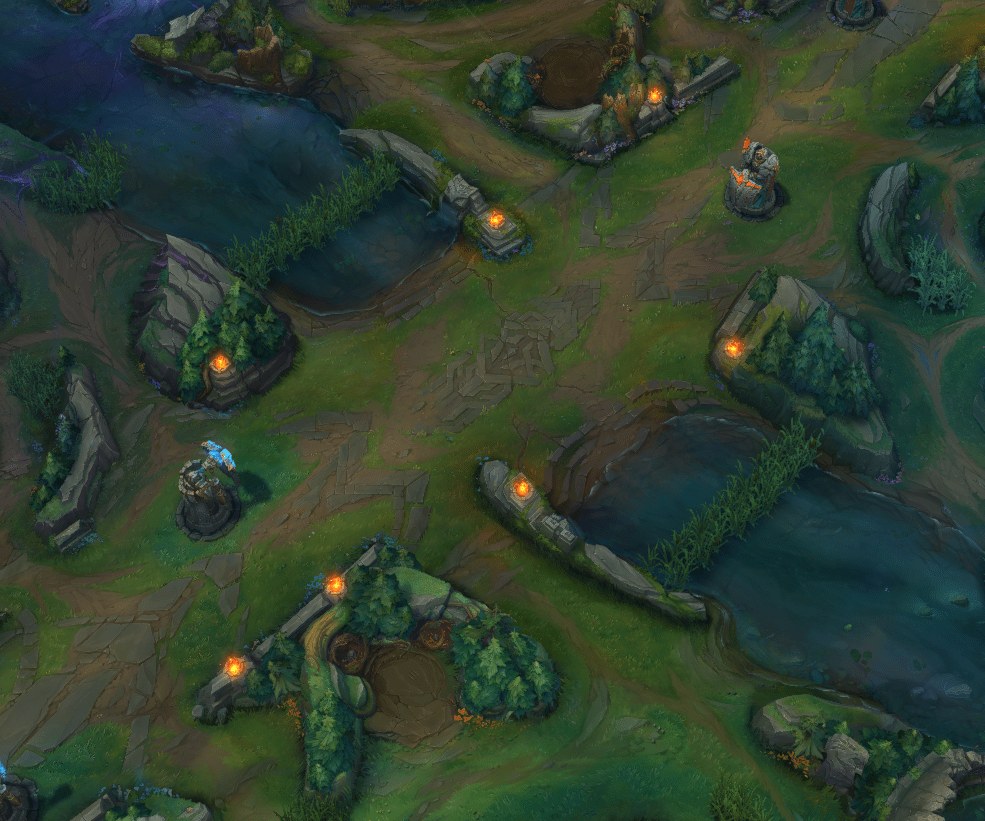
Mid is the shortest lane, so stacks crash fastest and your roam window is shorter. Slow push, then leave straight away for a side lane, the river or the enemy jungle. Mid priority also decides who reaches objectives first, which is why most Dragon setups start with a mid lane slow push. If your roams keep arriving late, a mid lane coach can go through your games and show you where the window was.
Bot Lane
The 2v2 makes the caster step easy. Your support chips the enemy caster minions so your ADC can finish them in seconds, then you both stop hitting. Slow push before Dragon or a synced recall, so the stack costs the enemy duo farm and turret HP while you're gone. Just make sure nobody fast pushes it out of habit.
Jungle
You don't build stacks, you read them on the minimap after every camp. An allied stack hitting the enemy tower is an invitation to go in under it. An enemy wave pushing toward your laner's tower leaves the enemy laner in the long stretch of lane, which is where ganks work best. Our guide on how to path as a jungler covers building those reads into your routes.
How 2026 Turret and Minion Aggro Changes Affect Slow Pushing
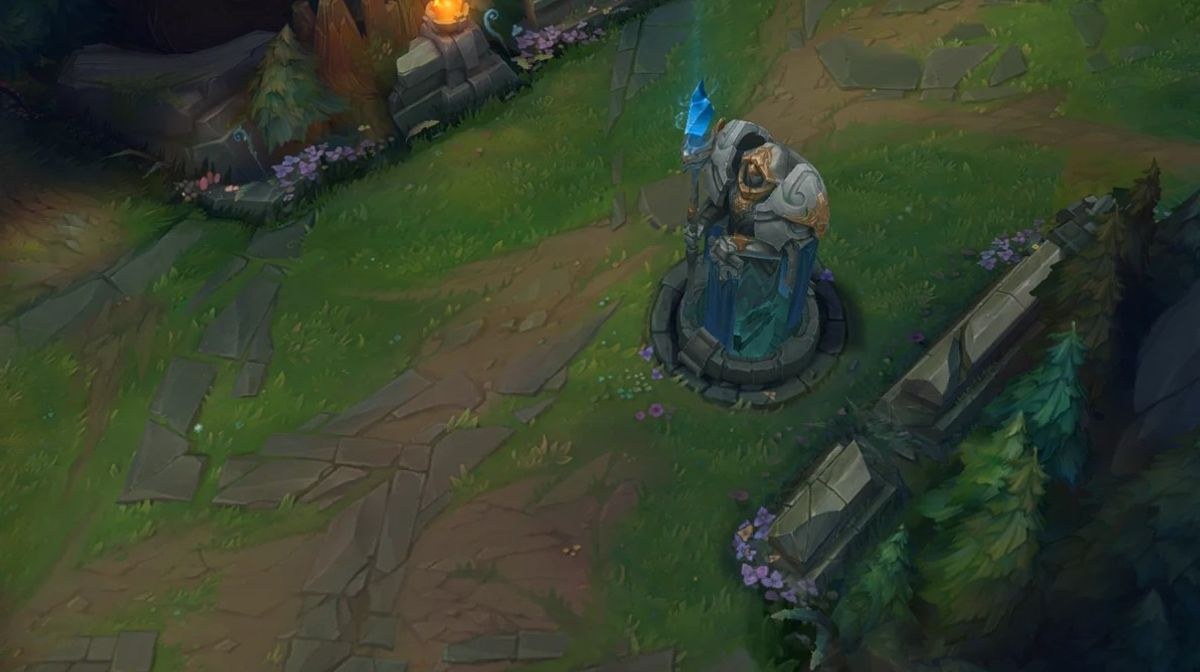
Two changes this season make slow pushing pay more and play a little differently.
The first is money. Patch 26.1 made outer turret plates permanent instead of falling off at 14:00, and gave inner and inhibitor turrets plates too, with 600 local gold spread across five plates each. A stack that crashes into a tier 2 turret at 22 minutes now earns extra gold plate by plate, instead of nothing until the turret falls.
The second is minion aggro. Patch 26.10, released May 12, 2026, removed the rule that put you on the enemy minions' aggro list whenever you attacked one of their minions. High-elo players used it to reshape waves: tag a caster to drag the backline onto yourself, then step away and let them re-target. Riot's Drew Levin had little sympathy for the backlash, calling it "an esoteric minion targeting rule that 10,000 people worldwide understand."
For slow pushing, it cuts both ways. Killing casters no longer pulls minion aggro, so thinning a wave is cleaner and more predictable. But you can't rescue a botched setup with aggro tricks anymore, so wave control comes down to which minions you kill and when. Hitting the enemy champion still draws aggro, so trade carefully while the stack builds.
When Not to Slow Push (and the Mistakes That Ruin One)
A slow push drags you forward. The minion fight drifts toward the enemy side, and so do you. In the early game, pushing without knowing where the enemy jungler is gets you collapsed on with no Flash. Check the minimap, and if their jungler hasn't shown for a while, stop following the wave into their half.
It's also the wrong call when you're behind. Freeze instead, so you can farm safely near your tower and deny the enemy the gold they need.
These are the mistakes our coaches flag in VOD review after VOD review:
- Auto-attacking the stack. You set it up perfectly, got bored and started hitting melees. Now it's a fast push.
- Starting too deep. Begin next to their tower and it crashes after one wave, before anything stacks.
- Leaving too early. Walk away before the stack has grown and their next wave evens it out.
- Backing as a cannon wave reaches your tower. Your turret eats a cannon's worth of gold that should have been yours.
How to Break an Enemy Slow Push
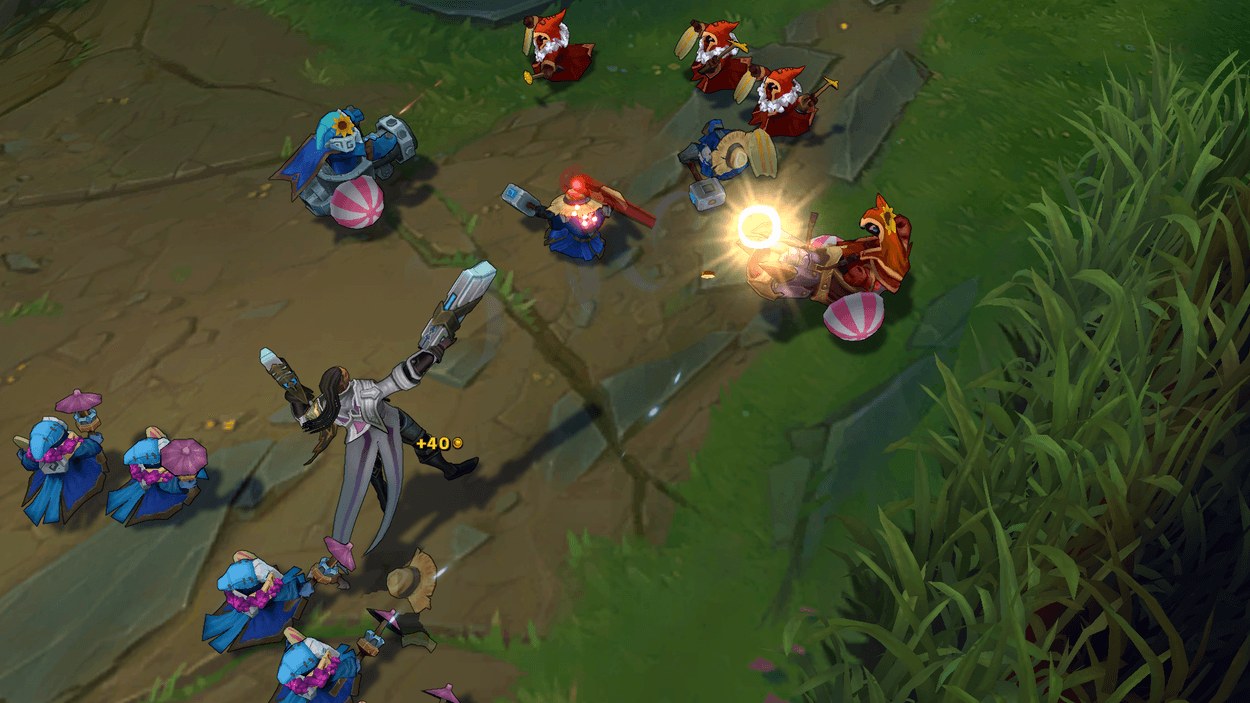
Sooner or later someone does it to you. When the enemy wave is pushing your way and growing every cycle, you have two options.
With waveclear, meet the stack before it reaches your tower and clear the wave in the open, where you can farm all of it.
Without it, last-hit under turret and accept that some minions die to tower shots before you can touch them. Just don't leave lane right as a big stack hits your turret unless you're trading it for an objective.
Then take the bounce. Once the stack dies, your wave marches back up the lane with the edge. Start a slow push of your own, or crash the wave into the enemy tower and set up a freeze when it comes back. The enemy laner spent 90 seconds building that stack. Now it's your lane.
Build Your Wave Control With a Coach
Slow pushing is easy to understand and hard to time with a jungler missing and Dragon up in a minute. A VOD review shows exactly where your wave management broke down: the wave cleared a second early, the cannon wave you let hit your own tower.
For that kind of feedback, book a session with a Challenger coach on LoL Coaching for a one-on-one lesson or a VOD review of your lane. Or start next game: pick a wave two spawns before a cannon, kill the 3 casters and keep your hands off the rest.