

La has fastidiado en la selección de campeones. Tu jungler metió a Master Yi en una composición de poke, alguien escribió «gg» a los cuatro minutos y, 200 partidas después, tu rango no ha variado.
El «infierno Elo» es real como experiencia y falso como mecanismo. Aquí tienes cinco hábitos que mejoran tu porcentaje de victorias, ordenados según la rapidez con la que cada uno da sus frutos. La forma más rápida de salir del «infierno Elo» es la que la mayoría de las guías dejan para el final.
Entender el «infierno de Elo»: qué es y por qué parece tan real
El término proviene del ajedrez, donde la clasificación de Arpad Elo asignaba un número a cada jugador. League of Legends ya no utiliza el sistema Elo. Riot Games empareja a los jugadores según el MMR, una clasificación oculta que tu rango visible sigue de cerca. A lo largo de 100 partidas, es tu porcentaje de victorias el que determina tu posición, no tus compañeros de equipo.
Entonces, ¿por qué el «infierno de Elo» en League parece tan real? Los rangos desde Hierro hasta Oro representan el 64 % de la clasificación actual; solo el Oro, el 24 %; y el muro de Esmeralda, el 13 %. Casi todo el mundo se encuentra en los rangos bajos de Elo. Y las partidas se acumulan como una bola de nieve, por lo que 90 segundos malos pueden acabar con todo.
Interpreta tus LP como datos: si ganas 24 y pierdes 16, el sistema ya considera que tu nivel es superior. Riot lo confirmó en el parche 26.3 con el «indicador de ascenso».
Deja de morir: las muertes cuestan más de lo que se gana con las bajas

Una muerte le da al equipo enemigo 300 de oro base al principio, que aumenta hasta 420 en el nivel 18. Tu muerte les entrega la oleada y el siguiente objetivo. Los temporizadores de muerte aumentan con el nivel y el tiempo de partida: en el nivel 18 empiezan en unos 52 segundos y alcanzan un máximo de 78,75. Ese temporizador es lo que hace perder al Barón en la fase final de la partida, no la muerte en sí.
Tres reglas. Mantén la posición propia de tu rol, de modo que los ADC se mantengan al máximo alcance de ataque detrás de la línea de frente. Respeta los temporizadores de muerte a partir de los 20 minutos, cuando una pantalla gris supone un objetivo gratuito. Y limita las pérdidas: que muera un compañero no significa que deban morir cinco.
Autoevaluación: calcula la media de tus muertes en tus últimas 20 partidas. Menos de 5 está bien para un jugador de línea en solitario, menos de 4 para el ADC o el medio. Muchos jugadores de elo bajo se sitúan en 7.
Gana la línea con la gestión de oleadas, no con la mecánica pura del juego

Las oleadas de súbditos determinan dónde te pueden matar, cuándo puedes volver a la base y si el jungler enemigo consigue un gank gratuito.
La versión 2026 cambió las reglas: la primera oleada ahora aparece a los 0:30 en lugar de a los 1:05, por lo que hay una oleada extra en el mapa para el minuto 10 y los antiguos puntos de referencia de CS ya no sirven. Aspira a 6 CS por minuto hasta el nivel Oro, 8 para Esmeralda, y revisa el minimapa en cada último golpe.
Detente cuando vayas por delante o estés vulnerable a emboscadas
«Freeze» significa dar el último golpe en el último momento, manteniendo la oleada cerca de tu torreta. Hay dos motivos para hacerlo: una ventaja que vale la pena proteger o la falta de visión mientras el jungler enemigo te acecha. Tu oponente se verá entonces obligado a adelantarse para farmear, y ahí es donde tú preparas tus ganks.
Empuja antes de volver a base, ir a otra línea o disputar un objetivo
Empuja la oleada para que muera frente a su torre y, a continuación, aprovecha ese margen para colocar una ward profunda, realizar un roam o conseguir un pico de objetos. Vincula el empuje lento a un temporizador, acumulando 30 segundos antes de los Void Grubs a las 8:00 o del Barón a las 20:00. Así es como el control del mapa se convierte en oro y experiencia.
Reduce tu repertorio de campeones a tres y mantén esa cifra

Todo el mundo habla de entre tres y cinco campeones. Sé más preciso: dos elecciones con las que te sientas cómodo más un campeón con el que puedas jugar a ciegas en tu rol principal, y otro en tu rol secundario para el autocompletado.
La clave no es la comodidad, sino la práctica: conocimiento de los emparejamientos, picos de poder, una página de runas que entiendas en lugar de una que hayas copiado de una lista de tiers. Perseguir el meta con un Elo bajo es una trampa, porque un campeón con un único truco bien ejecutado vence a una elección de nivel S mal jugada. Evita un estilo de juego que requiera una composición de equipo coordinada y respeta el esfuerzo: Lee Sin te castiga más duramente que el campeón enemigo hasta que tus mecánicas sean impecables.
Juega por los objetivos, no por el marcador

La señal más clara de un elo bajo es que cinco jugadores persigan a un Ezreal con un 12 % de vida hacia la niebla mientras los gusanos, el dragón y una torre blindada quedan a la intocabilidad. Observa a los jugadores profesionales y cuenta las muertes que se producen sin motivo. No hay ninguna.
Tres reglas básicas. Los objetivos antes que las persecuciones. Una torre antes que una cuarta muerte. Nunca empieces un objetivo con menos del 40 % de vida o sin visión en la entrada que utilizará el enemigo.
Cada rol tiene una clave que te ayudará a subir de rango: los junglers deben trazar la ruta hacia el siguiente objetivo según el temporizador; los soportes deben desplazarse hacia una oleada fallida; los de la línea superior deben separarse cuando la composición del equipo enemigo no tenga capacidad para limpiar oleadas. Por eso una sesión con un entrenador de jungla de nivel Challenger empieza por el trazado de rutas, no por la mecánica de juego.
Arregla el juego mental: tilt, silencio y una regla de «stop-loss»
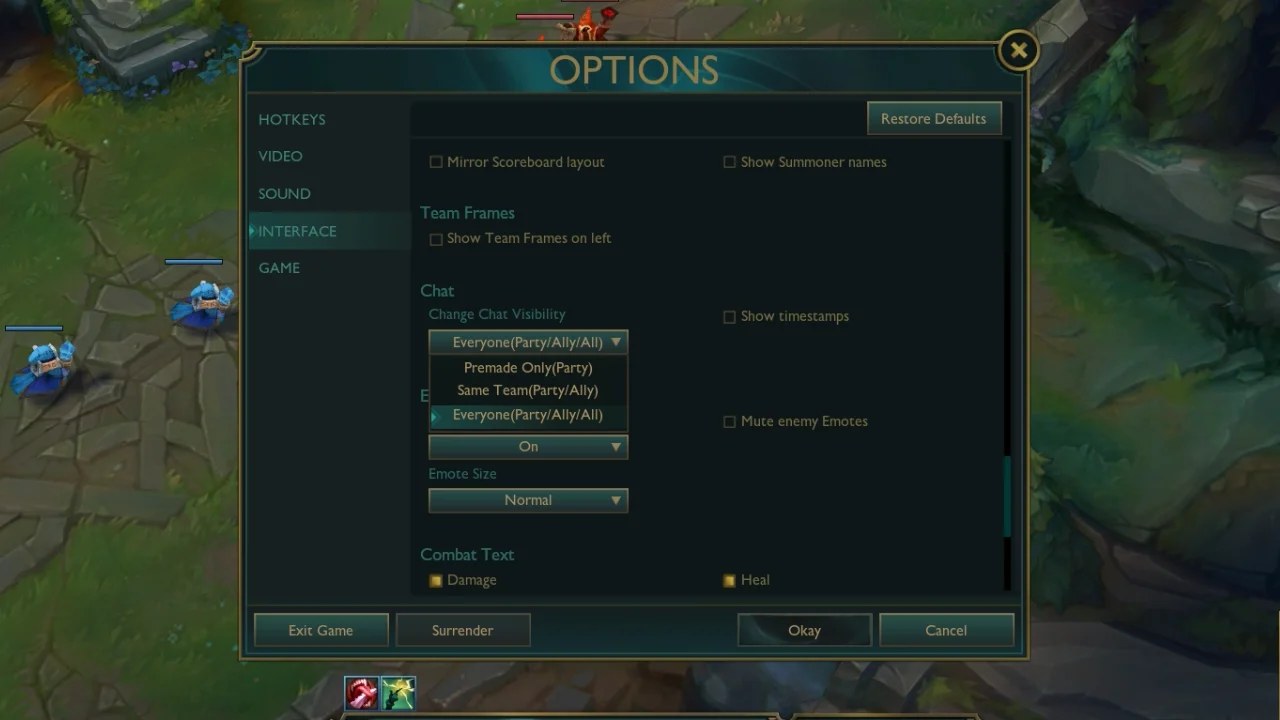
El tilt convierte una mala partida en una tarde perdida, y cuesta más LP que cualquier error de juego. Cuatro reglas, todas aburridas. Silencia a todos por defecto: mantén los pings, ya que son la única forma de comunicación que funciona de forma fiable en la cola en solitario. Establece un límite de dos derrotas. No juegues partidas clasificatorias cuando estés cansado. Nunca abras el marcador en medio de un combate.
Después, deja de culpar a los demás. No vas a jugar 1 contra 9 en todas las partidas, pero centrarse en la superación personal no es aquí un simple eslogan: tus propias decisiones son los únicos datos sobre los que puedes actuar, y culpar a tus compañeros de equipo los anula.
Crea un ciclo de análisis que realmente cambie tu porcentaje de victorias
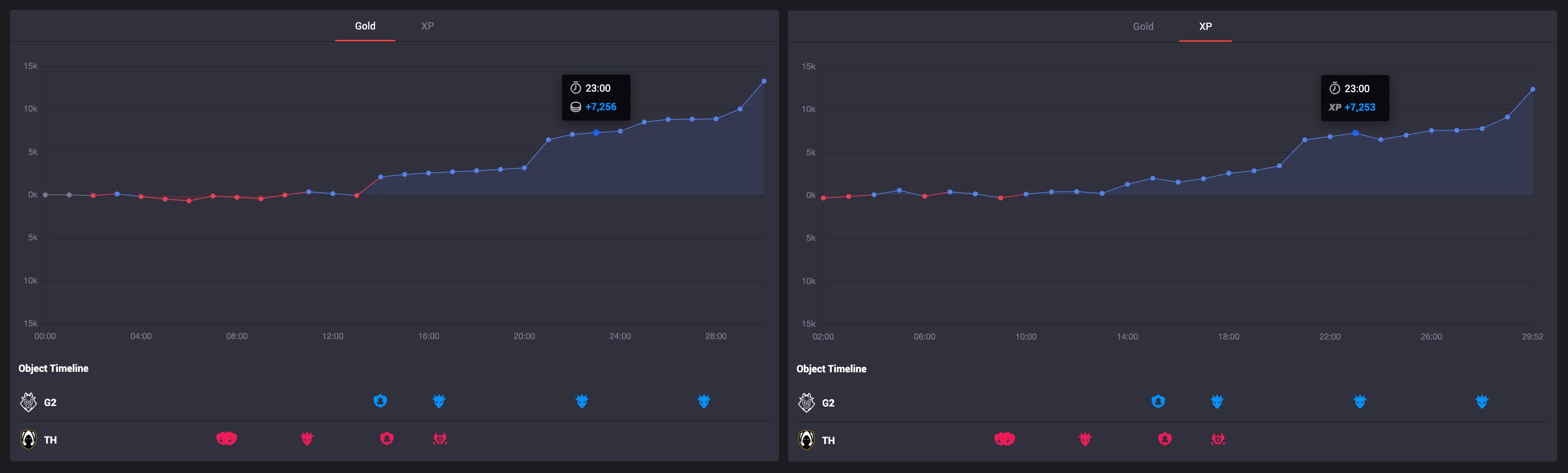
Recupera tus últimas 20 partidas en op.gg y clasifica tus muertes por intervalos de tiempo: de 0 a 10, de 10 a 20 y a partir de 20. Abre dos derrotas en la repetición del cliente, ve directamente a esos momentos concretos y anota la decisión que se repite. Normalmente se trata de algo pequeño, como volver a la base durante una oleada de presión.
A continuación, ponlo en práctica como un experimento: 20 partidas centrándote únicamente en eso y, después, vuelve a comprobar la cifra. Una mejora cada 20 partidas puede parecer lento hasta que pases del 50 % al 55 % y te des cuenta de que estás subiendo de rango.
Un entrenador aporta lo que la autoevaluación no puede alcanzar, porque el hábito que no puedes ver es el que te parece normal. Haz que un entrenador de Challenger que juegue en tu posición revise tus grabaciones. Eso acelera la mejora; no sustituye a las repeticiones.
Preguntas frecuentes
¿Cuál es el rango más difícil de superar en League of Legends?
Esmeralda. Abarca el 13 % de la clasificación y es el primer nivel en el que casi todo el mundo tiene un repertorio de campeones, sigue al jungler enemigo y castiga una mala vuelta a base. Oro parece el más lento porque es el nivel más amplio, con un 24 %, pero Esmeralda es donde los malos hábitos dejan de funcionar.
¿Es buena una tasa de victorias del 55 % en League of Legends?
Sí. Supone una victoria extra cada 10 partidas, la línea divisoria entre subir de rango y estancarse. Con una oscilación fija de 20 LP, un 55 % supone unos 2 LP por partida: una división cada 50 partidas, un nivel completo cada 200. Un porcentaje de victorias del 50 % es, por definición, un estancamiento.
¿Puede sacarme del «infierno del Elo» comprar un «boost» o jugar en dúo con una cuenta secundaria?
Hace que cambie el número, pero no la diferencia entre tu MMR y tu habilidad. La política de sanciones de Riot considera el «boosting» como manipulación de la clasificación y penaliza el uso compartido de cuentas cuando se puede relacionar con el «boosting»: una suspensión de 3 días, luego de 14 días, y finalmente permanente, además de la pérdida del honor y de las recompensas de clasificación. De todos modos, el MMR se corrige en unas 20 partidas.
¿Esquivar una mala selección de campeones te ayuda realmente a subir de rango?
De vez en cuando. Tu primera evasión en 24 horas cuesta 5 LP y un bloqueo de 6 minutos; la segunda cuesta 15 LP y 30 minutos. Una derrota cuesta unos 20 LP más media hora, así que evitar una sala en la que no hay posibilidad de ganar es un buen intercambio. Limítate a una al día.
Elige un hábito, no cinco, y lleva un registro de su evolución durante tus próximas 20 partidas. Así es como la gente sube de verdad en la clasificación, y sigue funcionando en los elo más altos.