
Gleicher Rang wie im März. Dreihundert Ranglistenspiele hinter dir. Du gewinnst vier, verlierst vier, kletterst auf 60 LP, rutschst wieder auf 12 ab, und das Emblem neben deinem Namen hat sich seit dem Frühjahr nicht verändert.
Ein „Hardstuck“ zu sein, ist ein Messwert, keine Identität. Das System hat Hunderte deiner Ranglistenspiele beobachtet und eine Zahl ermittelt, und diese Zahl weist auf eine Gewohnheit hin, die sich ändern lässt.
Also: eine Diagnose, keine Aufmunterung.
Was es eigentlich bedeutet, festzustecken (und wann man einfach nur Pech hat)
„Hardstuck“ bedeutet, dass dein Rang nicht mehr auf die Spiele reagiert, die du spielst. Keine Serie von fünf Niederlagen. Kein schwieriger Start in den Split. Das ist Varianz, und Varianz spielt in diesem Spiel eine große Rolle.
Hier ist die Schwelle, die dir niemand verrät: Bei weniger als etwa 30 Ranglistenspielen in einem Split trifft der Begriff nicht zu. Bei dieser Stichprobengröße können zwei Münzwürfe und ein schlechter Abend deine Rangstufe um eine Division nach oben oder unten schwanken lassen. Du hast noch nicht genug Ranglistenspiele absolviert, als dass die Rangliste eine Aussage treffen könnte.
Du steckst fest, wenn derselbe Rang über mehr als 100 Spiele hinweg bestehen bleibt oder wenn zwei Saisons in derselben Stufe enden. Das ist ein Plateau: viele Spiele, keine Bewegung, eine Gewinnquote, die zwischen 48 % und 52 % schwankt.
Dein MMR spiegelt dein durchschnittliches Spiel wider, nicht dein bestes
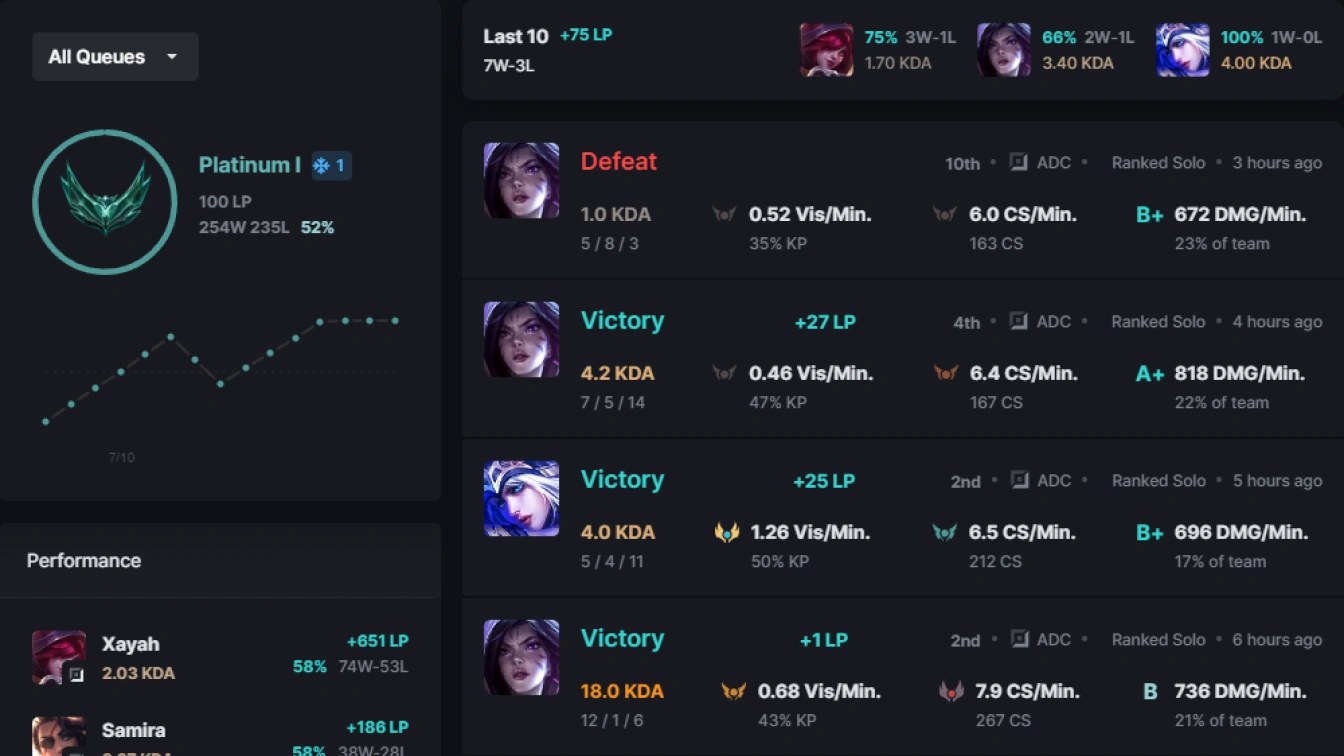
Das Spiel, an das du dich erinnerst, ist der 13/2-Yasuo-Carry. Das Spiel, anhand dessen das System dich bewertet hat, ist das mittlere: 4/6/7, passables CS, keine Ahnung, wann der Drake gespawned ist.
Das Matchmaking ist eine Mittelwertbildungsmaschine. Dein MMR schätzt, wie oft du gewinnst, und über einige hundert Spiele hinweg konvergiert er zu deiner durchschnittlichen Leistung, nicht zu deiner Höchstleistung.
Nun mal ganz ehrlich zur Teamkollegen-Mathematik: Du bist einer von fünf in deinem Team, hast also einen Anteil von 20 % am Gesamtergebnis, und über 100 Spiele hinweg landen der Jungler, der ständig ins Int geht, und der Spieler, der nach 2 Minuten die Verbindung verliert, genauso oft im gegnerischen Team wie in deinem eigenen. Es gibt auf jedem Spielniveau, auch bei niedrigem Elo, Spiele, die wirklich nicht zu gewinnen sind. Sie sind ein Rundungsfehler, und ein Rundungsfehler ist kein Rang.
Analysiere dich selbst in fünf Minuten, bevor du irgendetwas änderst
Öffne deinen Spielverlauf, bevor du irgendetwas an deiner Spielweise änderst. Das ist es, was ein Coach in den ersten zehn Minuten einer Sitzung überprüft.
Schau dir deine LP-Zuwächse an, um zu sehen, ob dein MMR das Problem ist
Schreibe die LP-Zahlen deiner letzten 20 Ranglistenspiele in der Solo-Warteschlange auf.
Etwa +18 bis +22 pro Sieg mit Niederlagen im gleichen Bereich, von Gold bis Diamant, bedeutet, dass dein sichtbarer Rang und dein versteckter MMR übereinstimmen. Die Rangliste geht davon aus, dass du dort hingehörst, wo du gerade stehst. Glaub es.
Siege um die +12 bei Niederlagen um die -25 bedeuten, dass dein MMR unter dem deiner Division liegt, meist aufgrund einer ungünstigen Einstufung oder einer Niederlagenserie zu Beginn der Split. Das ist ein mathematisches Problem, kein Problem deiner Spielstärke, und die einzige Lösung besteht darin, mehr Spiele zu spielen. Ein paar Siege in Folge, und die Wertungsgewinne korrigieren sich von selbst.
Vergleiche drei Zahlen mit dem Durchschnitt deines Rangs
Drei Zahlen, jeweils im Vergleich zum Durchschnitt für deinen Rang und deine Rolle auf op.gg oder Mobalytics: CS nach 10 Minuten, Todesfälle pro Spiel, Sichtweite pro Minute.
Mid-Laner und ADCs liegen in den Rängen Gold und Platin bei etwa 7 CS pro Minute, in Smaragd und Diamant näher an 8. Jungler und Supports haben andere Werte – zieh also deine eigenen Zahlen heran, anstatt zu raten.
Die Zahl, die am weitesten vom Durchschnitt deines Rangs abweicht, bestimmt, welchen Abschnitt du zuerst liest. Niedrige CS bei wenigen Todesfällen bedeuten, dass du ängstlich spielst. Viele Todesfälle bei einem respektablen KDA bedeuten, dass du leichtsinnig tradest. Geringe Sicht als Laner bedeutet, dass du immer wieder durch Informationen im Wert von 75 Gold gegankt wirst.
Die fünf Gewohnheiten, die Spieler tatsächlich am Aufsteigen hindern
Dies sind die Muster, die sich in einer VOD-Analyse nach der anderen zeigen, geordnet danach, wie viele LP sie unbemerkt kosten. Die meisten League of Legends-Spieler, die feststecken, weisen zwei davon auf.
Ein Champion-Pool, der zu groß ist, um ihn zu meistern
Acht Champions in drei Rollen klingen nach Flexibilität. Es ist eine „Anfängersteuer“, die man ewig zahlt, weil man kein Matchup gut genug lernt, um zu wissen, ab welchem Level man All-in gehen kann oder wie sich die Welle verhält, nachdem man bei 40 % HP einen Trade gemacht hat.
Zwei Champions, eine Hauptrolle, ein Ersatz für die automatische Besetzung – bewertet über 50 Spiele hinweg statt anhand einer 10-Spiele-Laune.
Selbst ein „One-Trick-Pony“ muss wissen, was die neuen Picks in der Championauswahl bewirken. Als Patch 26.16 die Strafe für Support-Roams auf Level 5 ausweitete, passten sich die richtigen frühen Trades entsprechend an.
Die Lane gewinnen und das Spiel verlieren
Der Klassiker in Gold und darunter: Man spielt den Gegner aus, holt sich den Kill, geht zurück zur Lane und lässt die Welle hereinbrechen, während der gegnerische Jungler den Drake umsonst holt.
Der Kill ist nicht die Belohnung. Die Belohnung sind 20 Sekunden, in denen der gegnerische Laner nicht existiert. Shove, Recall beim Einlaufen der Welle oder weg zum Herald, Drachen oder einem Dive auf die benachbarte Lane.
Überprüfe die Welle vor jedem Rückzug. Top- und Mid-Lane-Spieler bauen ihren Vorsprung durch Druck auf der Karte aus, und die besten Strategien hier sind die langweiligen. Niemand gewinnt das Spiel, indem er die Kill-Statistik anführt.
In jedem Spiel denselben Tod sterben
Schau dir an, wo du in deinen letzten zehn Spielen gestorben bist. Wiederholte Todesfälle sind ein Muster, und Muster lassen sich beheben – im Gegensatz zu Pech.
Die üblichen drei: Ohne Sicht in einen Jungler vorstoßen, den man seit 90 Sekunden nicht gesehen hat, Büsche aus der Nähe überprüfen und bei 30 % HP noch eine Welle abwarten.
Behebe diese Fehler durch Übungen. Wirf bei jedem letzten Treffer unter dem Turm einen Blick auf die Minikarte. Setze deine beiden frühen Wards vor dem Gank-Fenster, nicht danach. Verfolge den gegnerischen Jungler ab seinem ersten Auftauchen und pinge den Pfad an, wenn du ihn aus den Augen verlierst.
Sich in die Warteschlange einreihen, wenn man sich eigentlich ausloggen sollte
Tilt ist keine Stimmung; es ist ein messbarer Rückgang der Entscheidungsqualität. Die Risikoeinschätzung geht als Erstes den Bach runter, sodass du den Kampf annimmst, vor dem du vor einer Stunde noch zurückgewichen wärst.
Zwei Niederlagen beenden die Sitzung. Kein „noch eine“, kein Queuen direkt nach dem Verlustbildschirm.
Subtilere Anzeichen: Streitereien im Chat, das Stummschalten der Lobby bei der Championauswahl, das Erzwingen eines Duells, um einen Punkt zu beweisen. Spieler lieben den Spruch „Ich spiele das einfach weg.“ Du wirst das nicht tun. Neuer Champion, neue Runenseite, ungewöhnlicher Build: Dafür sind normale Queue-Spiele da.
Spiele spielen, statt sie zu bewerten
Die Anzahl der Spiele verstärkt das, was du ohnehin schon tust. Fünfhundert Spiele mit denselben drei Gewohnheiten bedeuten fünfhundert Wiederholungen dieser Gewohnheiten.
Überspringe also „Deine Spiele analysieren“ und halte dich an das Protokoll: Öffne die Wiederholung bei deinem ersten Tod, nach 10 Minuten, um den Stand der Wellen zu überprüfen, und beim ersten Drake-Kampf. Beobachte nur deinen eigenen Champion, denn du bewertest Entscheidungen und nicht die Ergebnisse.
Schreib dann eine Korrektur auf. Eine. Zehn Minuten davon bringen dir mehr Spielwissen ein als drei zusätzliche Queue-Spiele.
Die Hürde, die mit deinem Rang und deiner Rolle einhergeht
„Hardstuck“ ist kein Zustand mit niedrigem Elo; die Barriere ändert lediglich ihre Form. Bei Silber geht es um Wellenmanagement. Bei Gold und Platin um die Umsetzung – eine gewonnene Lane in Türme, Drachen und Sicht umzuwandeln. Bei Smaragd um das Tempo in der Mitte des Spiels: zu wissen, wann man sich gruppieren und wann man eine Seitenlane weiter vorantreiben muss. Bei Diamant um Beständigkeit über eine gesamte Spielsitzung hinweg. Riot hat in Patch 26.9 sogar die Apex-Rangliste komplett zurückgesetzt, nachdem die Volatilität die Spitze durcheinandergebracht hatte – also bleiben auch Master-Spieler bei einer bestimmten Zahl stecken.
Die Rolle ist genauso wichtig wie der Rang. Ein festgefahrener ADC stirbt in Gefechten in der Mitte des Spiels und nimmt Drachenkämpfe auf sich, während die Wellen auf ihn zustürmen. Ein festgefahrener Jungler wählt den Weg zur gewinnenden Lane statt zur verlierenden. Ein festgefahrener Top-Laner sitzt auf „Teleport“, bis dieser wertlos ist.
Wenn du weißt, welche Rolle auf dich zutrifft, ist eine Stunde mit jemandem, der diese Rolle beherrscht, mehr wert als weitere 50 Solo-Queue-Spiele: Auf unseren Seiten zum ADC-Coaching und Jungle-Coaching findest du Coaches nach Rolle und Rang aufgelistet.
Der 30-Spiele-Reset: Wie man in LoL aus dem Hardstuck-Zustand herauskommt
Fang noch heute Abend an:
Lege dich für den Split auf eine Rolle fest, plus eine Reserve für die automatische Zuweisung.
Wähle zwei Champions aus und bleibe 50 Spiele lang bei ihnen.
Arbeite pro Sitzung an einem Schwerpunkt, den du aus deinen Notizen zum letzten Replay entnimmst.
Bei zwei Niederlagen loggst du dich aus.
Eine 10-minütige Wiederholungsanalyse pro Sitzung.
Beurteile nichts davon vor 30 bis 50 Spielen.
Regel sechs ist die, gegen die jeder verstößt. Eine Veränderung, die anhand von 10 Spielen beurteilt wird, ist nur Rauschen, da man bei dieser Stichprobe eine Gewinnquote von 55 % nicht von einer von 45 % unterscheiden kann.
Eine Verbesserung zeigt sich auch als Verschiebung der Gewinnquote, bevor sie sich im Rang widerspiegelt. Steigst du über 40 Spiele hinweg von 48 % auf 54 %, kletterst du in der Liga nach oben – unabhängig davon, ob sich das Emblem geändert hat oder nicht. Spieler, die in einem Split den Rang „Diamant“ erreichen, schaffen das selten, indem sie einen neuen Champion entdecken. Sie beseitigen einen wiederkehrenden Fehler und spielen dann genügend Spiele, damit sich das auszahlt.
Wenn du die Arbeit geleistet hast und den Fehler immer noch nicht erkennst
Selbstanalyse hat eine harte Grenze: Man kann keinen Fehler analysieren, von dem man nicht weiß, dass er ein Fehler ist. Die Gewohnheiten, die sich richtig anfühlen, sind diejenigen, die 500 Spiele des Grindens überstehen.
Drei davon sehen wir ständig: Backen im falschen Wellenstatus, Warding nach dem Gank statt 30 Sekunden davor und das ständige Shoven in einem verlorenen Matchup, weil das Pushen sich produktiv anfühlt.
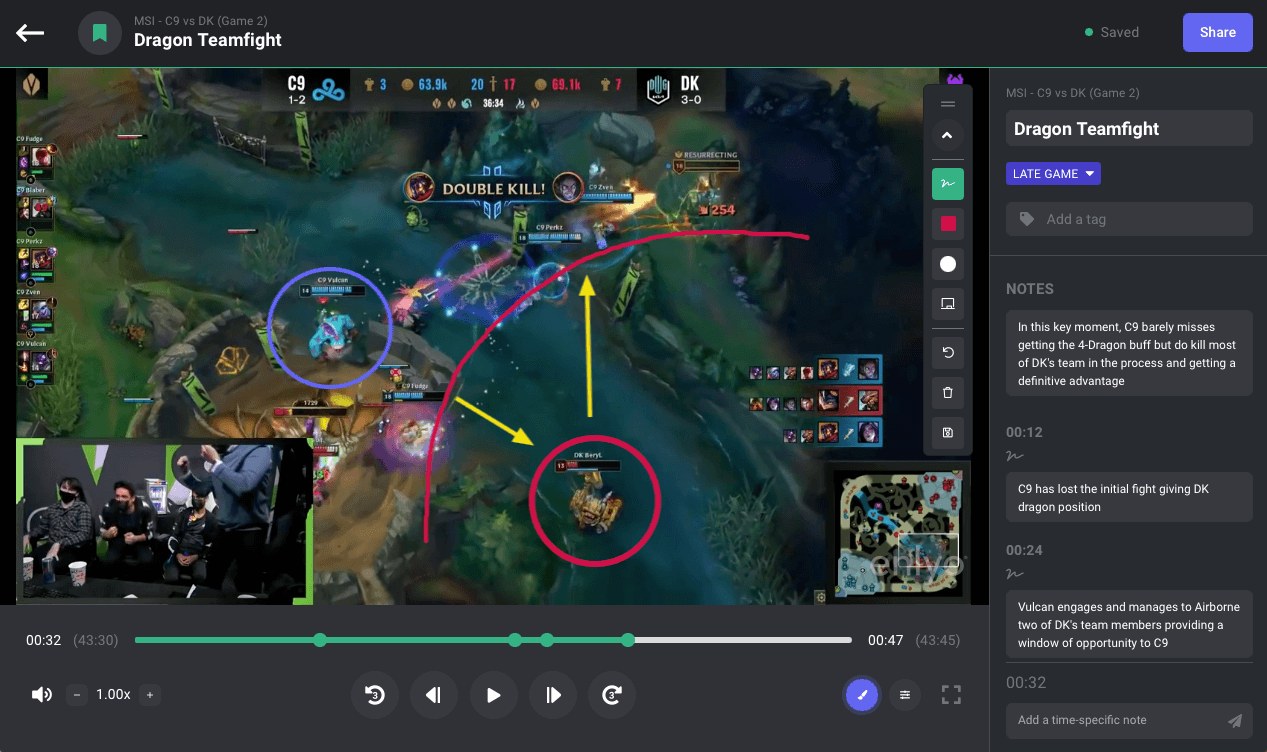
Eine Außenperspektive fasst das in einer einzigen Sitzung zusammen – genau das spricht dafür, eine VOD-Analyse mit einem High-Elo-Coach zu buchen. Ein Challenger- oder E-Sport-Spieler, der sich dein Gameplay ansieht, benennt den blinden Fleck innerhalb von zwanzig Minuten.
Ein Boost bewirkt das Gegenteil. Er versetzt dich auf ein Spielniveau, das du nicht halten kannst, und sobald du anfängst zu verlieren, kehrt sich dein LP-Gewinn in das Muster +12/-25 um, und die Gewohnheit bleibt unberührt.
Häufig gestellte Fragen
Ist es normal, in „League of Legends“ festzustecken?
Normal, denn die Rangliste ist so aufgebaut, dass die meisten Spieler auf einem Niveau verharren. Durch die Verteilung in der Solo-Warteschlange befinden sich etwa 21 % der Spieler in Silber und 24 % in Gold – die Hälfte der Rangliste verteilt sich also auf zwei Stufen. Diamant macht etwa 4 % aus, und Meister bis Challenger zusammen weniger als 1 %. Im breitesten Teil der Kurve kostet jede Division mehr Spiele als die vorherige.
Ist das Matchmaking in „League of Legends“ gegen Spieler mit niedrigem Elo manipuliert?
Nein, allerdings werden zwei reale Phänomene fälschlicherweise dafür verantwortlich gemacht: „Autofill“ und „Smurfs“. Beide kommen im Laufe einer Saison in beiden Teams vor. Das System „2026“ von Riot bringt Spieler mit automatischer Zuordnung nach Möglichkeit mit anderen Spielern mit automatischer Zuordnung zusammen, und Patch 26.15 hat „Aegis of Valor“ so angepasst, dass Spieler mit automatischer Zuordnung bei einem Sieg doppelte LP erhalten.
Macht es die Duo-Warteschlange schwieriger, aus dem eigenen Rang aufzusteigen?
Das hängt vom Partner ab, und Riot begrenzt den Rangunterschied. Seit Patch 26.15 können Master-Spieler nur noch mit Spielern im Duo spielen, deren Rang ihrem eigenen nahekommt, während Grandmaster, Challenger und alle, die diesen MMR haben, gar nicht im Duo spielen können. Unterhalb von Diamond gibt es Spielraum. Ein Duo, das deinen Tilt teilt, bedeutet, dass zwei Accounts zusammen absteigen statt nur einer.
Kann man in Emerald oder Diamond feststecken, oder ist das nur ein Problem bei niedrigem Elo?
Man kann in jedem Rang auf einem Plateau stehen bleiben, und bei hohem Elo kommt eine Regel hinzu, die es bei niedrigem Elo nicht gibt: der Elo-Verfall. In Diamond gibt es eine Karenzzeit von 28 Tagen Inaktivität, bevor man täglich 50 LP verliert, und in Master und darüber ist die Karenzzeit viel kürzer, sodass täglich 75 LP abgezogen werden. Dort oben bewegt sich die Rangliste ohne dich weiter.